Welcome to Linqing Xinshengdi Bearing Co., Ltd.


Railway Axle Box Bearings: Selection Guide
What Are Railway Axle Box Bearings?
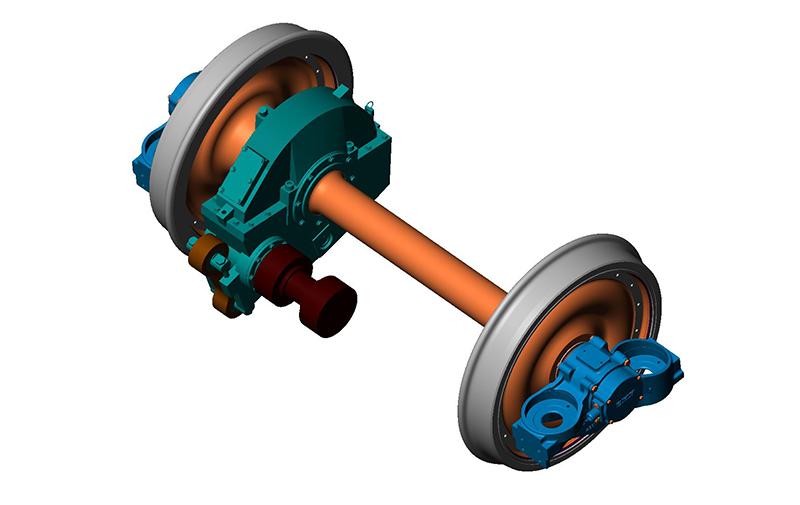
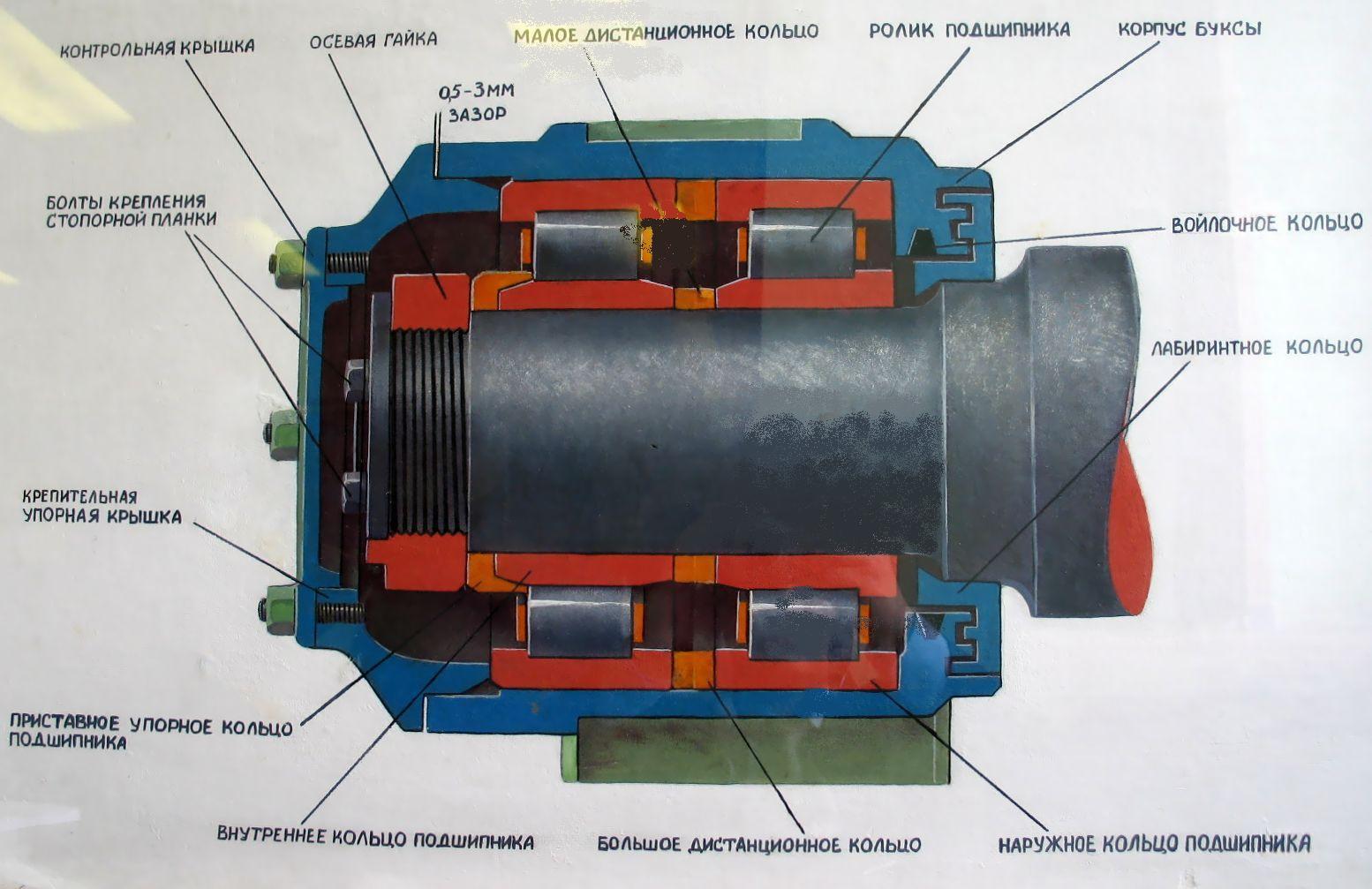
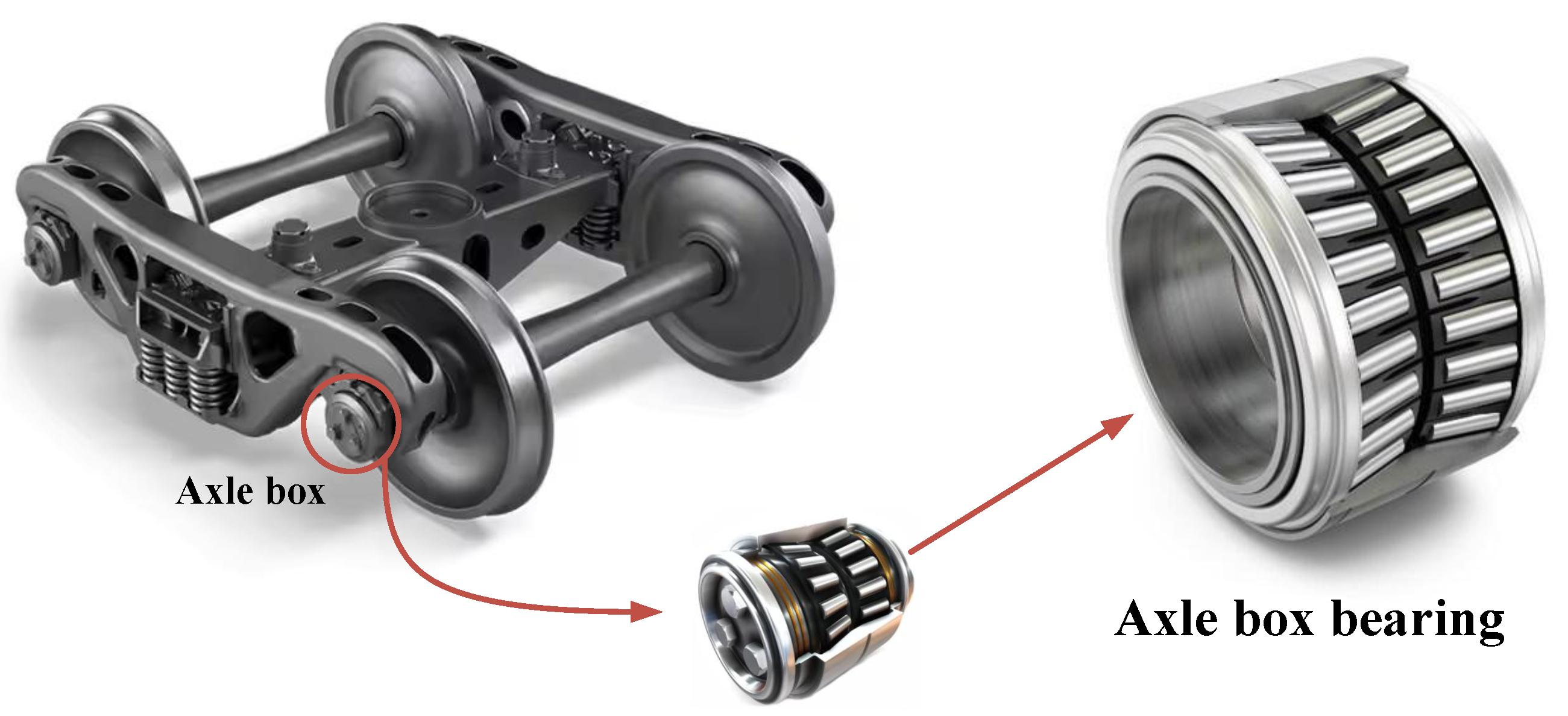
Railway axle box bearings are key components used to support railway wheelsets and allow the axle to rotate smoothly under heavy loads. They are installed within or together with the axle box assembly and operate under demanding conditions such as high loads, vibration, speed changes, and temperature variations.
For railway equipment manufacturers, maintenance companies, and bearing buyers, selecting the correct axle box bearing is important for reliable operation and long service life.
Where Are Axle Box Bearings Used?
Railway axle box bearings are commonly associated with:
Passenger trains
Freight wagons
Railway locomotives
Metro and urban rail vehicles
Railway wheelset assemblies
Axle box systems
The actual bearing design depends on the vehicle type, axle load, operating speed, axle box structure, and maintenance requirements.
Key Factors When Selecting Railway Axle Box Bearings
1. Load Capacity
Railway bearings must handle substantial radial and, depending on the design, axial loads. Buyers should consider the actual axle load and operating conditions when selecting the bearing.
2. Operating Speed
Different railway vehicles operate at different speeds. Bearing selection should consider rotational speed, temperature rise, lubrication, and the expected operating cycle.
3. Bearing Type
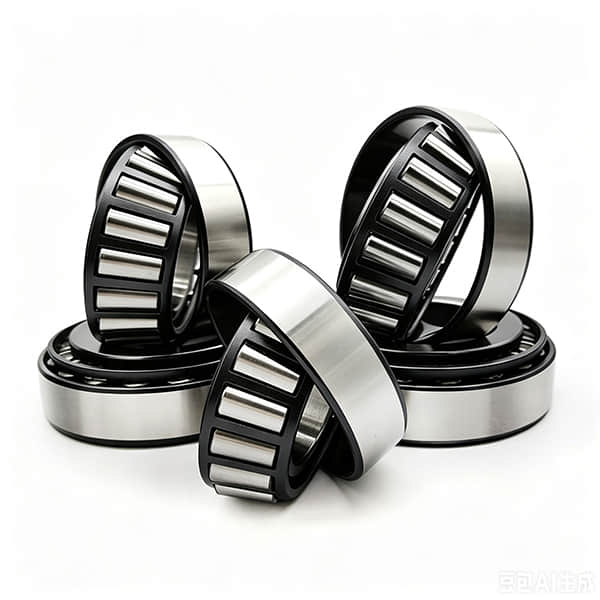
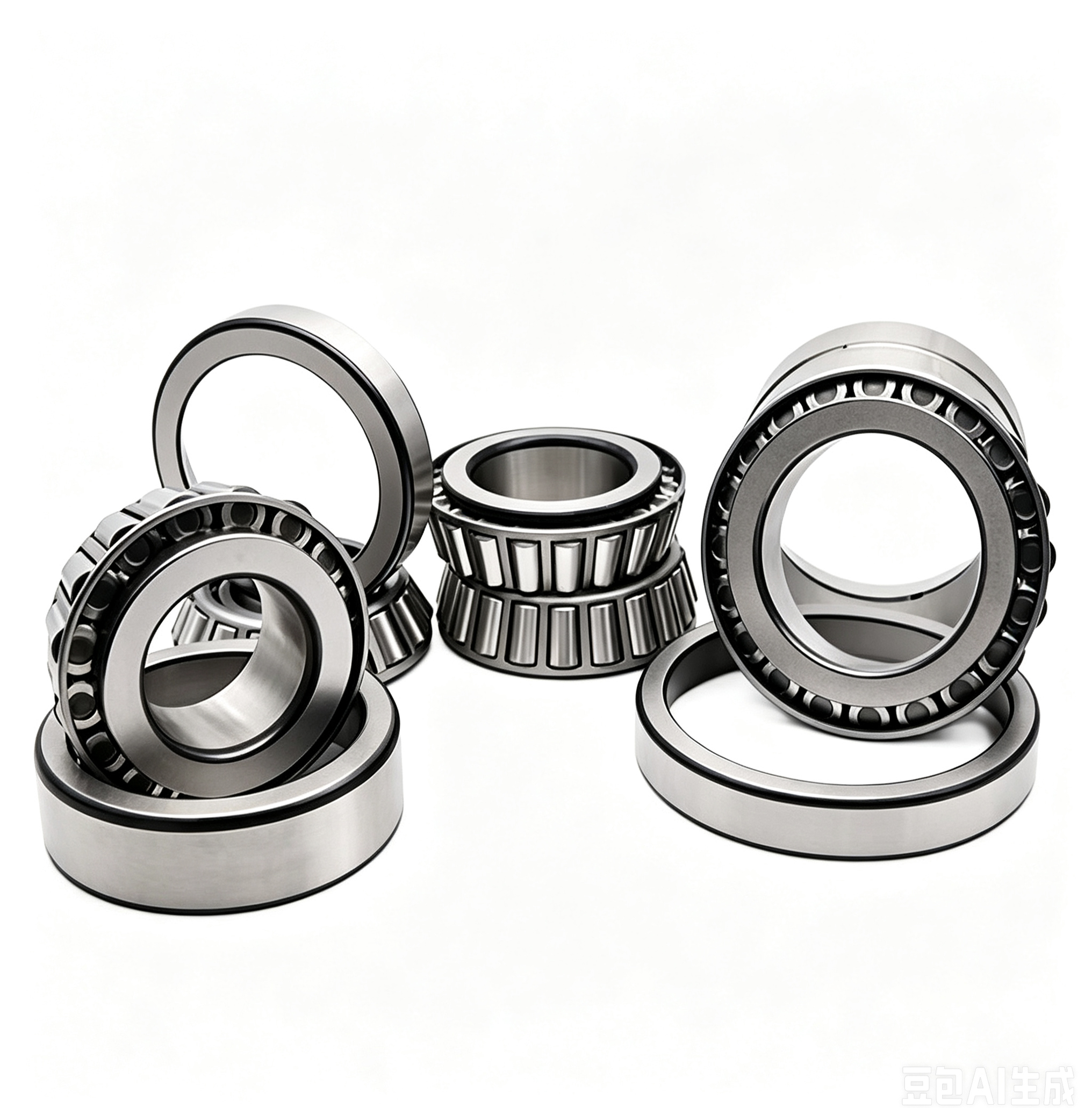
Depending on the application, railway axle systems may use different bearing designs, including cylindrical roller bearings, tapered roller bearings, and other specialized configurations.
The correct bearing should match the original equipment design and application requirements.
4. Clearance and Fits
Internal clearance and the fit between the bearing, axle, and housing can affect bearing performance. Incorrect fits may lead to excessive heat, vibration, or premature wear.
5. Lubrication and Sealing
Proper lubrication is essential for railway axle box bearings. Buyers should also consider the sealing structure and protection against dust, moisture, and other contaminants.
6. Replacement Requirements
When replacing an existing railway axle box bearing, the original bearing number, dimensions, load requirements, clearance, and application should be checked carefully.
For safety-critical railway applications, buyers should also verify applicable technical standards and certification requirements before purchasing.
How to Choose a Railway Bearing Supplier
A suitable supplier should be able to provide clear technical information, consistent product quality, dimensional inspection, packaging control, and traceability where required.
For replacement projects, providing the original bearing number, application, dimensions, quantity, and operating conditions can help suppliers identify the appropriate product more efficiently.
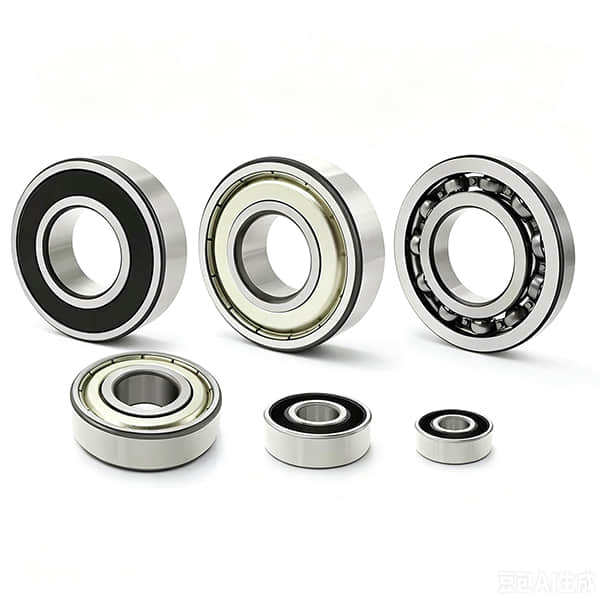
DBS Bearing supports customers with tapered roller bearings, deep groove ball bearings, wheel hub bearings, truck bearings, and other industrial bearing solutions. For specific railway applications, customers can contact our team with the required bearing number or technical specifications for evaluation.
Conclusion
Railway axle box bearings operate under demanding load, speed, vibration, and environmental conditions. Correct bearing selection should consider the application, bearing type, load capacity, speed, clearance, lubrication, mounting, and applicable technical requirements.
If you are looking for railway axle box bearings or replacement bearing solutions, send us the bearing number, drawing, dimensions, or application details. Our team can help evaluate the suitable bearing solution.