Welcome to Linqing Xinshengdi Bearing Co., Ltd.


Railway Axle Bearings: Applications and Selection
Railway axle bearings are critical components in the running gear of trains, passenger cars, freight wagons, locomotives, and other rail vehicles.
They support the axle and allow the wheelset to rotate smoothly while carrying significant loads and operating under vibration, impact, temperature changes, and demanding environmental conditions.
Because of these requirements, selecting a railway axle bearing involves more than matching the bearing dimensions.
What Are Railway Axle Bearings?
A railway axle bearing is a rolling bearing designed to support a railway vehicle axle.
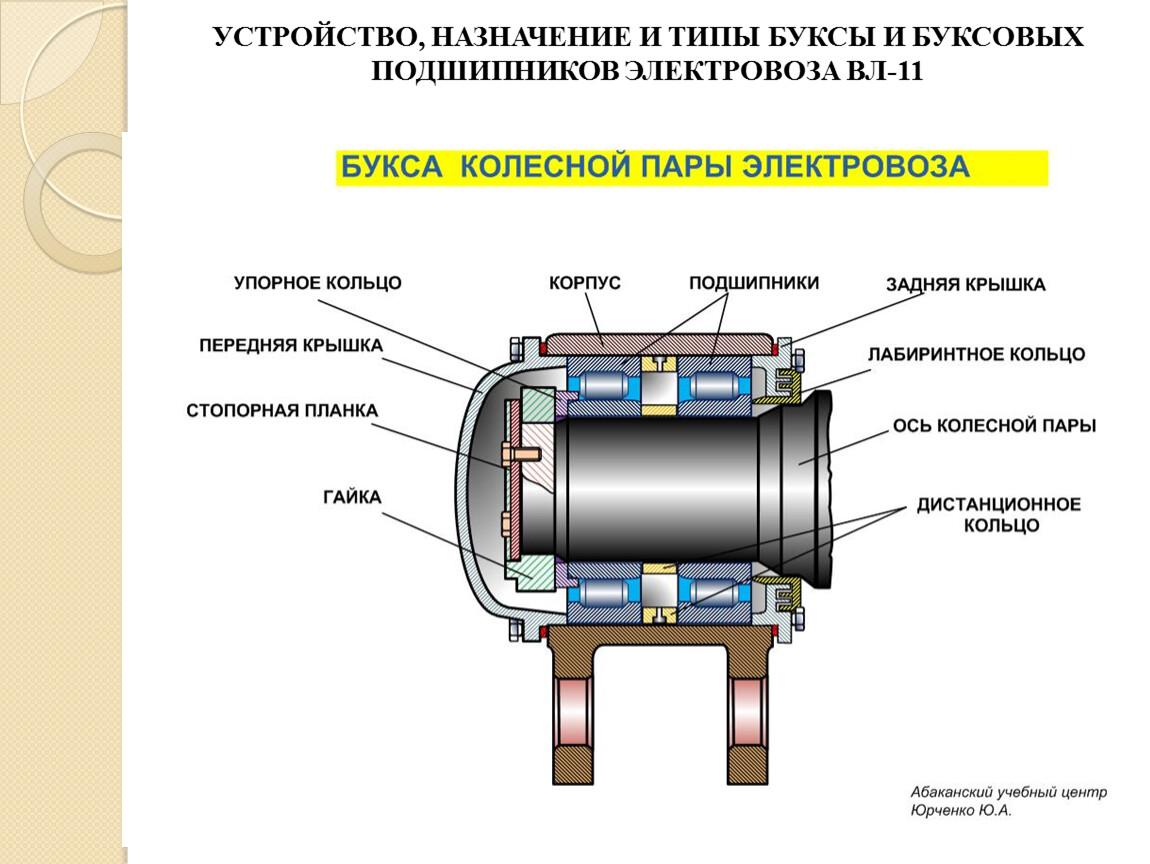
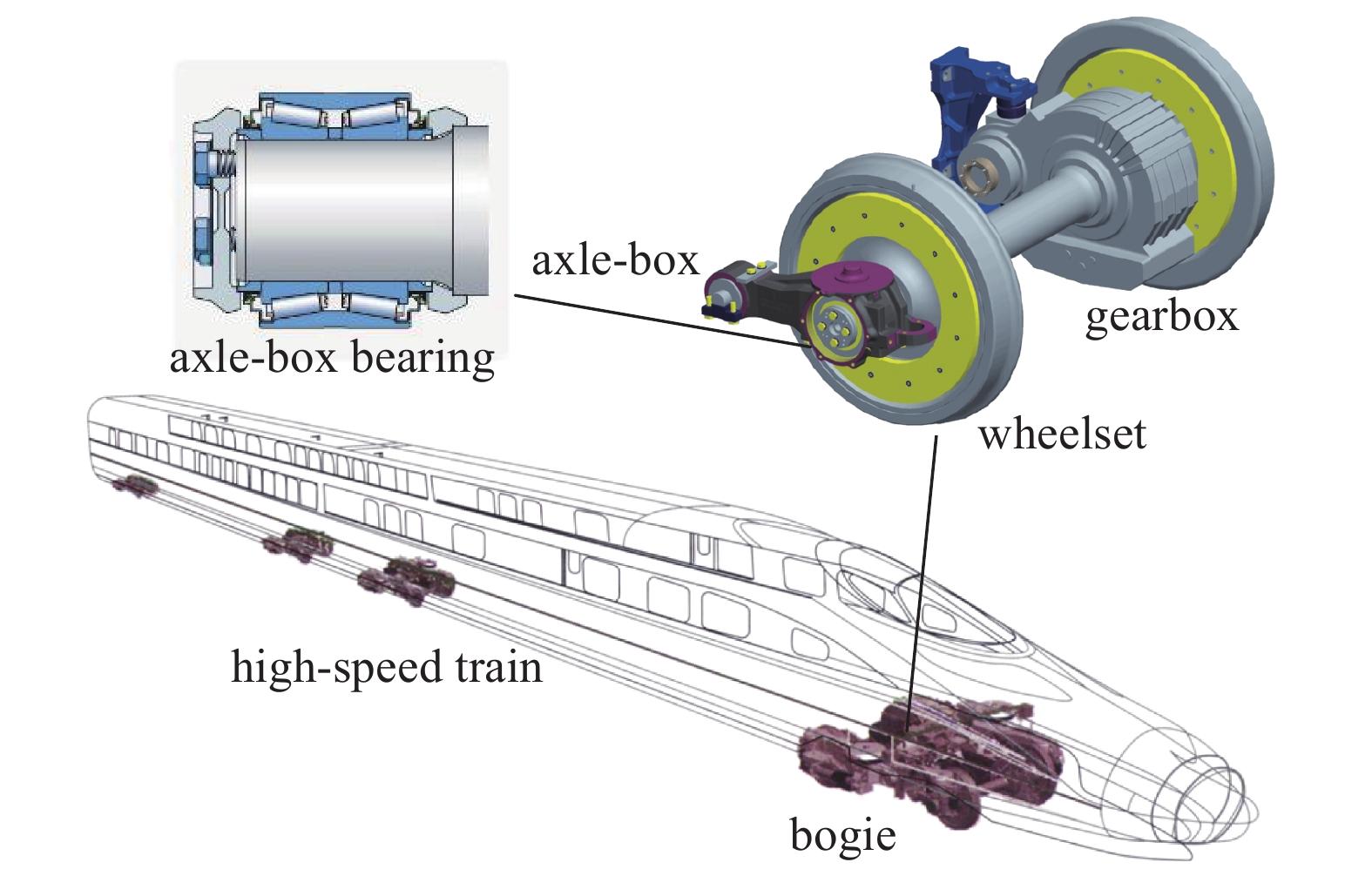
The bearing is typically installed within or together with an axle box or bearing housing and forms an important part of the wheelset system.
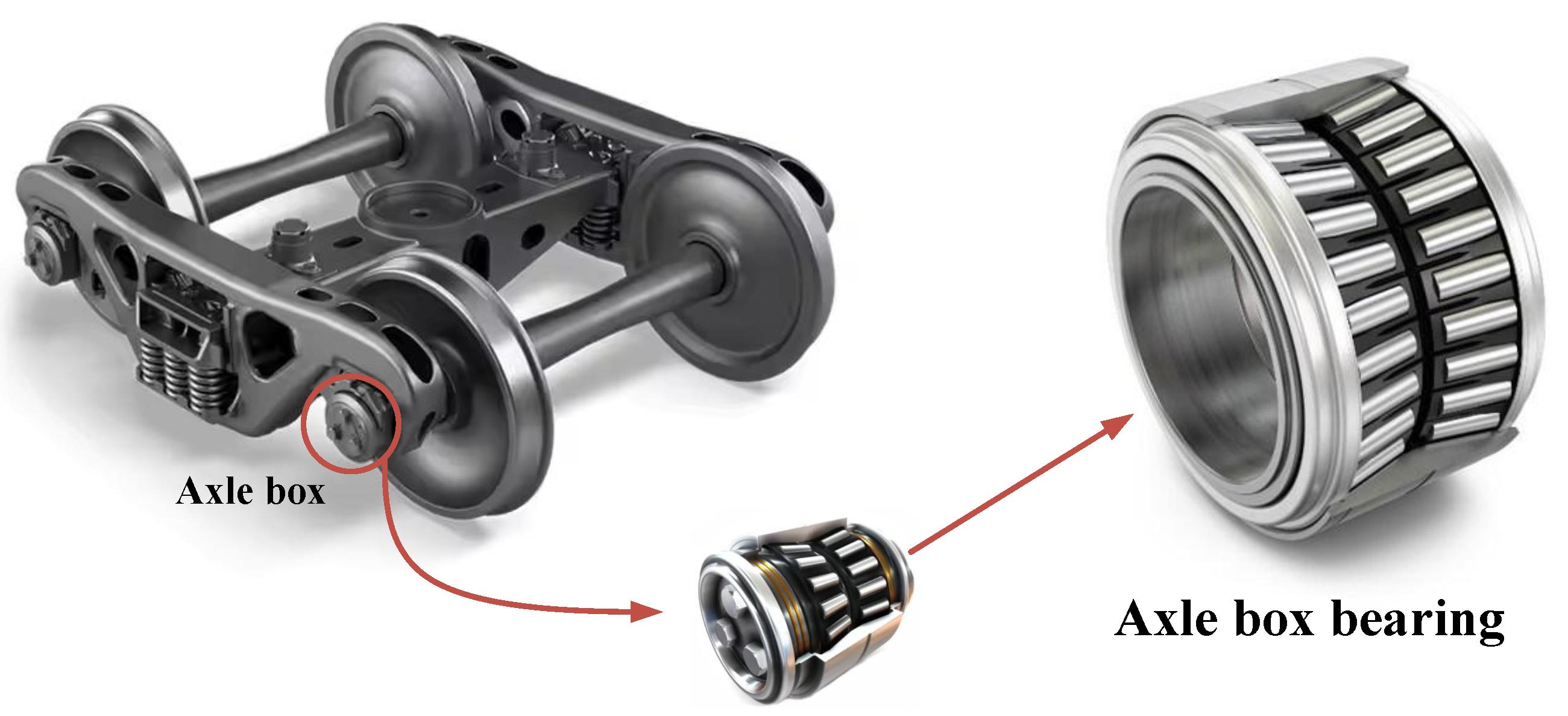
Depending on the vehicle and design, railway axle bearings can use different bearing configurations, including tapered roller bearings and cylindrical roller bearings.
The actual bearing specification should always be determined according to the vehicle design, load, speed, operating conditions, and applicable technical requirements.
Where Are Railway Axle Bearings Used?
Railway axle bearings can be found in many types of rail vehicles, including:
Passenger trains
Freight wagons
Locomotives
Metro trains
Railway maintenance vehicles
Other rail transportation equipment
The operating conditions can vary significantly between these applications.
For example, freight wagons may experience high loads and impact conditions, while high-speed passenger trains place greater emphasis on speed, temperature control, vibration, and reliability.
Railway Axle Box Bearings
The axle box connects the wheelset bearing system with the vehicle's bogie or running gear.
A properly selected railway axle box bearing helps support the axle while allowing controlled rotation.
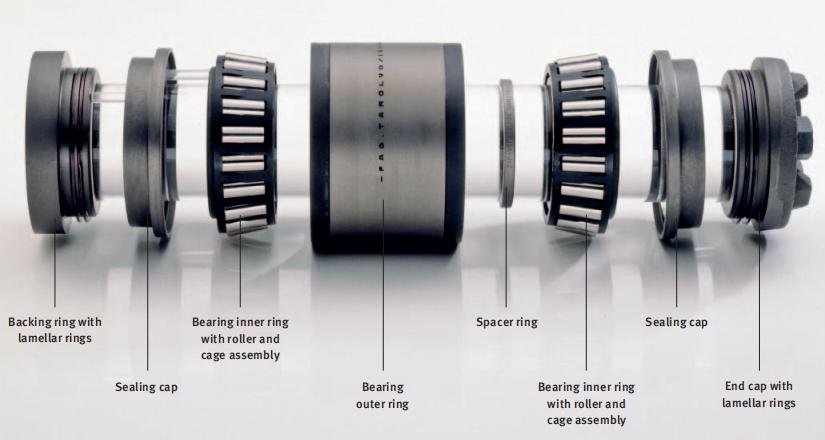
The complete axle box system may include bearings, seals, housings, lubrication components, and other parts.
Therefore, when replacing an axle bearing, buyers should confirm whether they require an individual bearing or a complete bearing unit.
Tapered Roller Bearings for Railway Axles
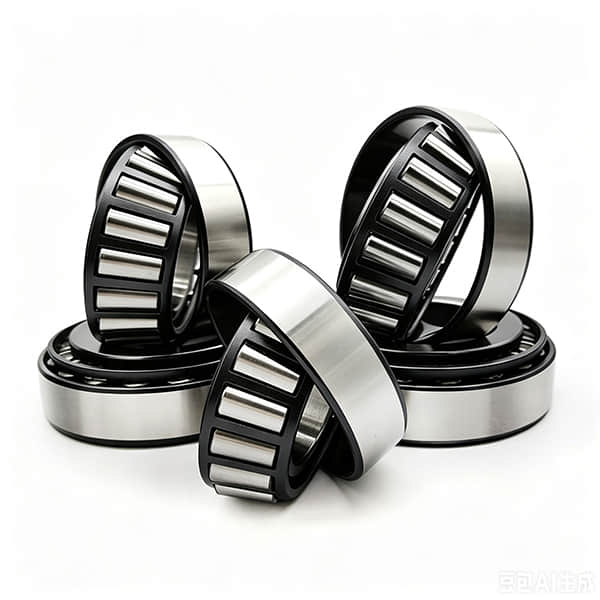
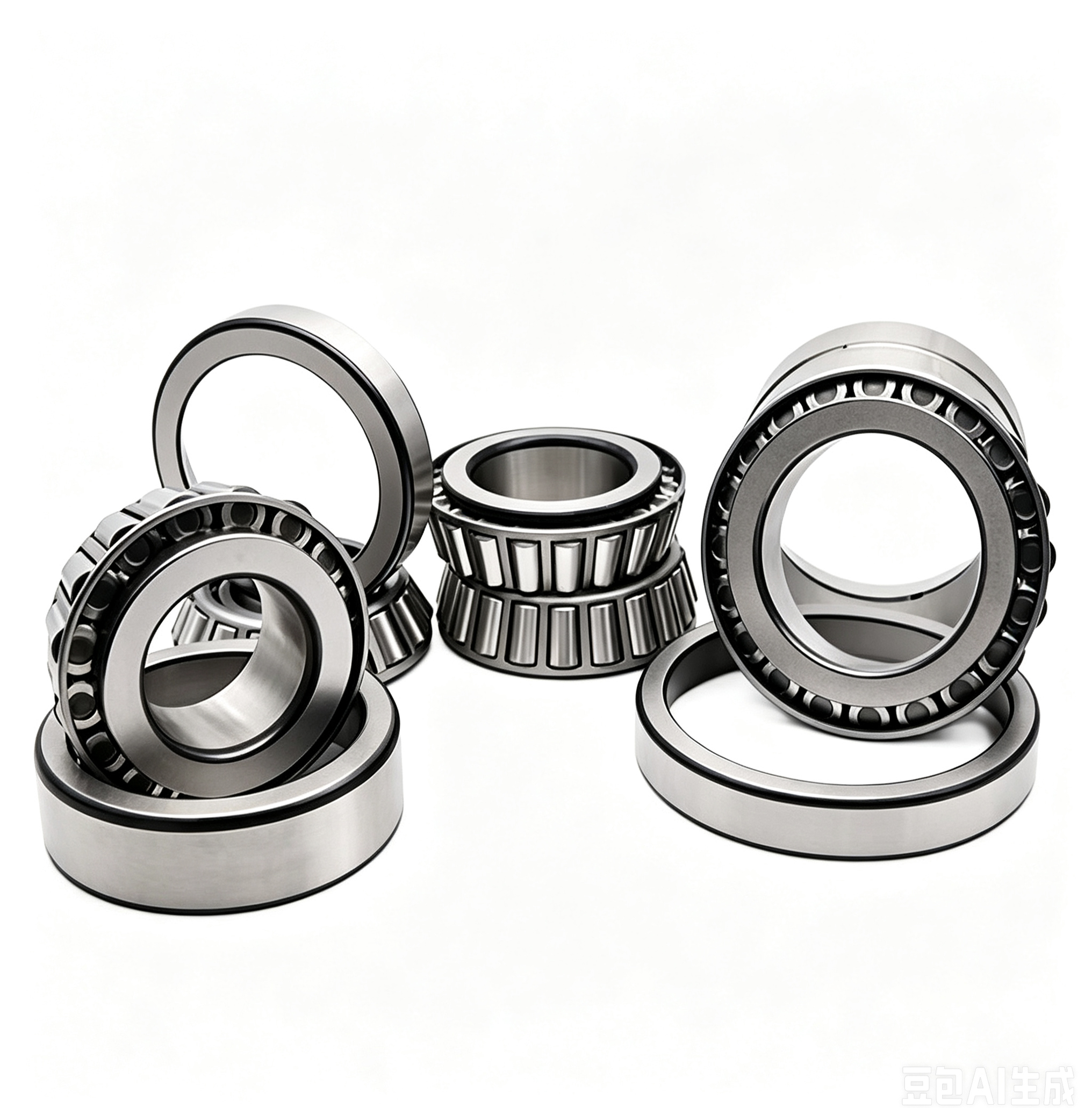
Tapered roller bearings are widely used in railway wheelset applications because they can accommodate combined radial and axial loads.
Their design allows the bearing to support substantial loads while maintaining controlled rolling motion.
For railway applications, however, the specific bearing design, dimensions, clearance, sealing, lubrication, and mounting arrangement must be matched to the intended application.
A standard industrial tapered roller bearing should not automatically be considered suitable for a railway application simply because the dimensions are similar.
Cylindrical Roller Bearings for Railway Applications
Cylindrical roller bearings are another important bearing design used in railway equipment.
They provide high radial load capacity and can be suitable for applications where radial loading is a major consideration.
The appropriate design depends on the axle arrangement, axial displacement requirements, speed, temperature, and other operating conditions.
How to Select a Railway Axle Bearing
When selecting a railway axle bearing, buyers should evaluate several important factors.
1. Bearing Dimensions
Confirm the bore diameter, outside diameter, and bearing width.
Dimensional compatibility is essential, but it is only the starting point.
2. Radial and Axial Loads
Determine the expected radial and axial loads.
Shock loads and dynamic loading should also be considered, particularly for freight and heavy-duty railway applications.
3. Operating Speed
Bearing speed affects friction, heat generation, lubrication requirements, and overall operating performance.
High-speed railway applications require particularly careful evaluation of bearing design and operating clearance.
4. Operating Temperature
Temperature can influence lubricant performance and bearing internal clearance.
The expected operating temperature should therefore be considered when selecting the bearing specification.
5. Internal Clearance
Internal clearance must be compatible with the bearing fit and operating conditions.
An unsuitable clearance can contribute to excessive temperature, vibration, or premature wear.
6. Sealing and Lubrication
Railway wheelsets operate in environments where dust, moisture, and other contaminants may be present.
The sealing and lubrication arrangement should therefore be selected according to the actual application and maintenance requirements.
7. Technical Standards
Railway applications can involve specific technical standards, inspection requirements, traceability, and customer approvals.
These requirements vary by market, railway operator, vehicle type, and application.
Before purchasing railway axle bearings, confirm the applicable technical and certification requirements.
Railway Axle Bearing Replacement
When replacing a railway axle bearing, avoid selecting a replacement based only on approximate dimensions.
The original part number, bearing type, dimensions, clearance, sealing arrangement, application, and technical requirements should all be checked.
If the original bearing failed prematurely, the cause of failure should also be investigated.
Possible causes may include:
Incorrect bearing fit
Insufficient or excessive lubrication
Contamination
Excessive load
Misalignment
Incorrect internal clearance
Installation damage
Finding the cause can help prevent the replacement bearing from experiencing the same problem.
Finding a Railway Axle Bearing Supplier
For international buyers looking for railway axle bearings, providing complete technical information can make the sourcing process much more efficient.
Useful information includes:
Bearing number + drawing + dimensions + application + quantity + operating conditions + required standards
A supplier can then evaluate whether the requested bearing can meet the technical requirements.
Railway Bearing Supply from DBS Bearing
DBS Bearing provides bearing sourcing and manufacturing solutions for industrial and automotive applications.
For railway-related requirements, customers can send us the original bearing number, drawing, photos, dimensions, application, and quantity for evaluation.
For safety-critical railway applications, applicable standards, certifications, testing, and customer approval requirements should be confirmed before supply.
The right railway axle bearing starts with the right technical specification.