Welcome to Linqing Xinshengdi Bearing Co., Ltd.


Railway Bearings: Types, Applications
Railway bearings are critical components used in trains, locomotives, freight cars, passenger cars, metro systems, and other rail vehicles.
Unlike bearings used in many general industrial machines, railway bearings operate under heavy loads, vibration, impact, changing temperatures, and demanding operating conditions.
Selecting the correct bearing type and specification is therefore essential for reliable railway equipment.

What Are Railway Bearings?
A railway bearing is a rolling bearing designed for use in railway vehicles and related railway equipment.
Depending on the application, railway bearings can be found in:
Wheelsets
Axle boxes
Bogies
Traction motors
Gearboxes
Suspension systems
Railway engineering vehicles
Modern railway bearing designs can include tapered roller bearings, cylindrical roller bearings, spherical roller bearings, and other specialized bearing configurations.
Industry suppliers commonly divide railway applications into wheelset, axle box, bogie, gearbox, and traction motor bearing systems.
Railway Wheelset Bearings
The wheelset is one of the most important applications for railway bearings.
A wheelset connects the railway wheels and axle and must transmit the loads generated by the vehicle while operating on the track.
Railway wheelset bearings therefore need to handle substantial radial loads and operating conditions associated with railway service.
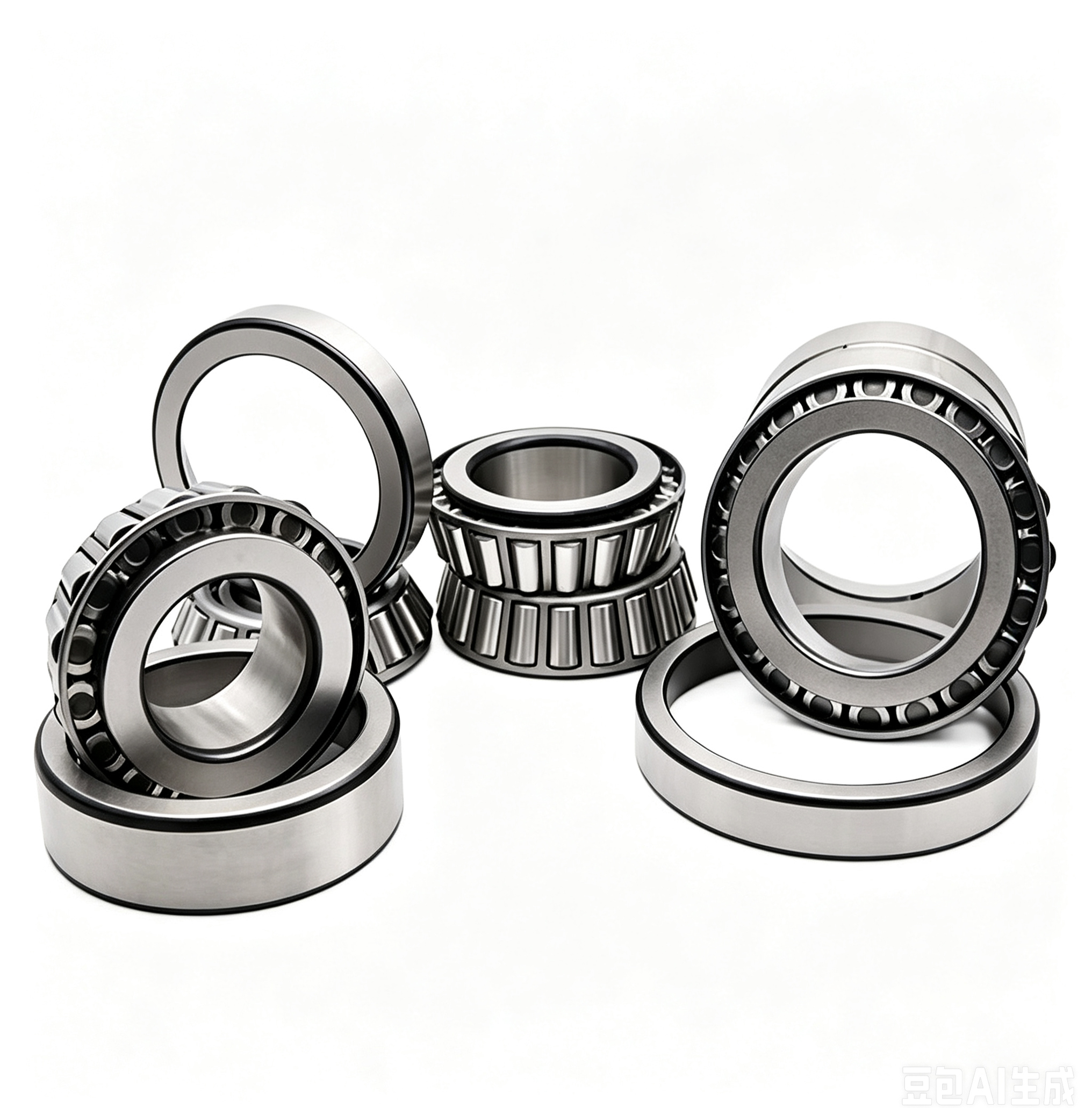
Tapered roller bearing units are widely used in railway wheelset applications. Railway bearing suppliers commonly provide AAR-style sizes and tapered roller bearing units for freight and passenger railway vehicles.
Railway Axle Box Bearings
The axle box is another major application.
Railway axle bearings support the axle and help transfer vehicle loads while allowing controlled rotation between the axle and surrounding components.
Depending on the railway vehicle and design, axle bearing arrangements can include tapered roller bearings, cylindrical roller bearings, spherical roller bearings, and other specialized configurations.
Sealing is also important because railway bearings may be exposed to dust, moisture, vibration, and other environmental conditions.

Railway Bogie Bearings
A railway bogie supports the vehicle body and incorporates the wheelsets, suspension, and other mechanical components.
Bearings used in bogies must operate reliably under vibration, shock, changing loads, and repeated operating cycles.
The specific bearing design depends on the bogie structure and its mechanical system.
Traction Motor and Gearbox Bearings
Railway bearings are not limited to wheel and axle applications.
Electric and diesel-electric trains can also require bearings for:
Traction motors
Gearboxes
Drive systems
Generators
Auxiliary equipment
These applications can have significantly different speed, temperature, lubrication, and electrical requirements compared with wheelset bearings.
This means that a bearing designed for a railway axle should not automatically be considered suitable for a traction motor or gearbox.
What Types of Bearings Are Used in Railways?
Common railway bearing designs include:
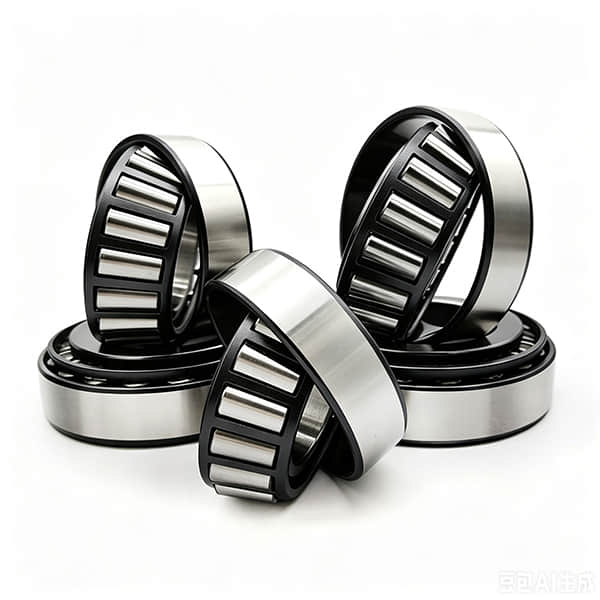
Tapered Roller Bearings
Tapered roller bearings can support combined radial and axial loads and are widely used in railway wheelset applications.
Cylindrical Roller Bearings
Cylindrical roller bearings provide high radial load capacity and are used in various railway axle and drive applications.
Spherical Roller Bearings
Spherical roller bearings can accommodate certain alignment conditions while providing high radial load capacity.
Specialized Railway Bearing Units
Some railway applications use integrated bearing units with specialized seals, components, and mounting arrangements.
The correct design depends on the vehicle, axle, load, speed, maintenance requirements, and applicable railway standards.

How to Select Railway Bearings
When selecting a railway bearing, consider more than the bearing dimensions.
Important factors include:
1. Application
Wheelset, axle box, bogie, traction motor, gearbox, or another railway system.
2. Load
Determine radial, axial, shock, and dynamic loads.
3. Speed
Operating speed affects bearing temperature, lubrication, and internal design requirements.
4. Operating Environment
Consider water, dust, contamination, vibration, and temperature changes.
5. Internal Clearance
The correct internal clearance depends on operating conditions, mounting, temperature, and bearing design.
6. Lubrication and Sealing
Proper lubrication and sealing are essential for long-term bearing performance.
7. Standards and Certification
Railway applications may require specific technical standards, testing, traceability, or customer-specific certification depending on the market and application.

Railway Bearing Replacement
When replacing a railway bearing, the safest approach is to identify the complete bearing specification rather than selecting a replacement based only on outside dimensions.
The original bearing number, bearing type, dimensions, clearance, seal arrangement, load requirements, and application should all be checked.
For critical railway applications, the required standards and customer approval requirements should also be confirmed before production or supply.
Railway Bearing Supplier
Finding the right railway bearing supplier requires more than comparing prices.
Customers should evaluate:
Bearing manufacturing capability
Material and heat treatment control
Dimensional inspection
Internal clearance control
Lubrication and sealing
Traceability
Production consistency
Application experience
Required railway certifications
For international buyers, providing the original bearing number, drawing, dimensions, application, and quantity can significantly improve sourcing accuracy.
Railway Bearing Solutions from DBS Bearing
DBS Bearing provides bearing sourcing and manufacturing solutions for industrial and automotive applications.
For railway-related requirements, customers can provide the bearing part number, drawing, dimensions, photos, application, and required quantity for evaluation.
For specialized railway applications, the required technical specifications and certification requirements should be confirmed before quotation.
The right railway bearing starts with the right application information.