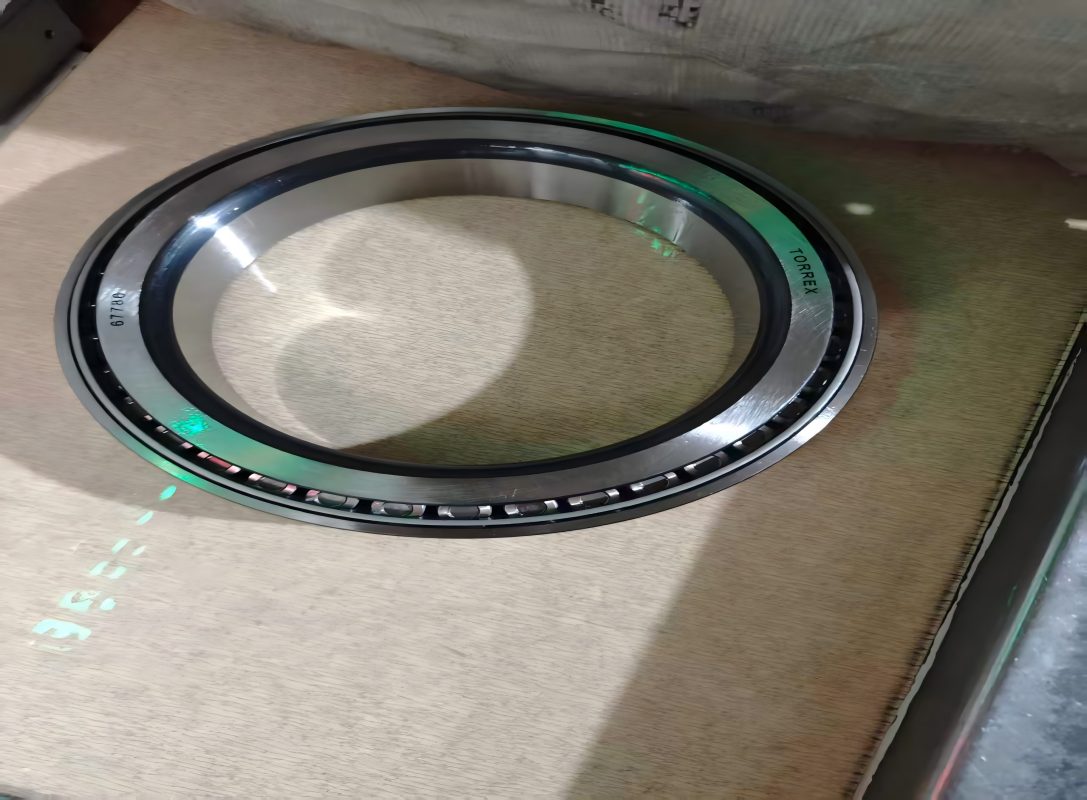
Truck Wheel Hub Bearing Replacement Guide
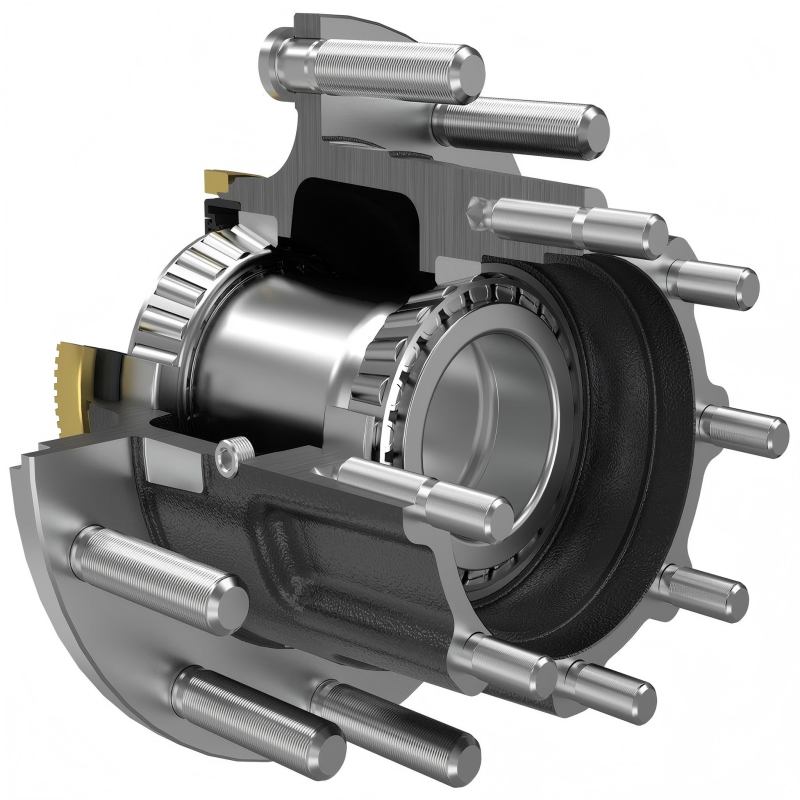
Heavy-duty truck wheel hub bearings are essential components in commercial vehicle wheel-end assemblies. They support wheel rotation under demanding operating conditions, including high loads, long-distance transportation, and frequent braking.
For fleet maintenance teams, truck repair workshops, and aftermarket parts distributors, selecting the correct replacement bearing is important for vehicle reliability and safe operation.
This guide explains common truck wheel bearing designs, replacement identification methods, and the information buyers should verify before ordering.
1. Understanding Truck Wheel Hub Bearings
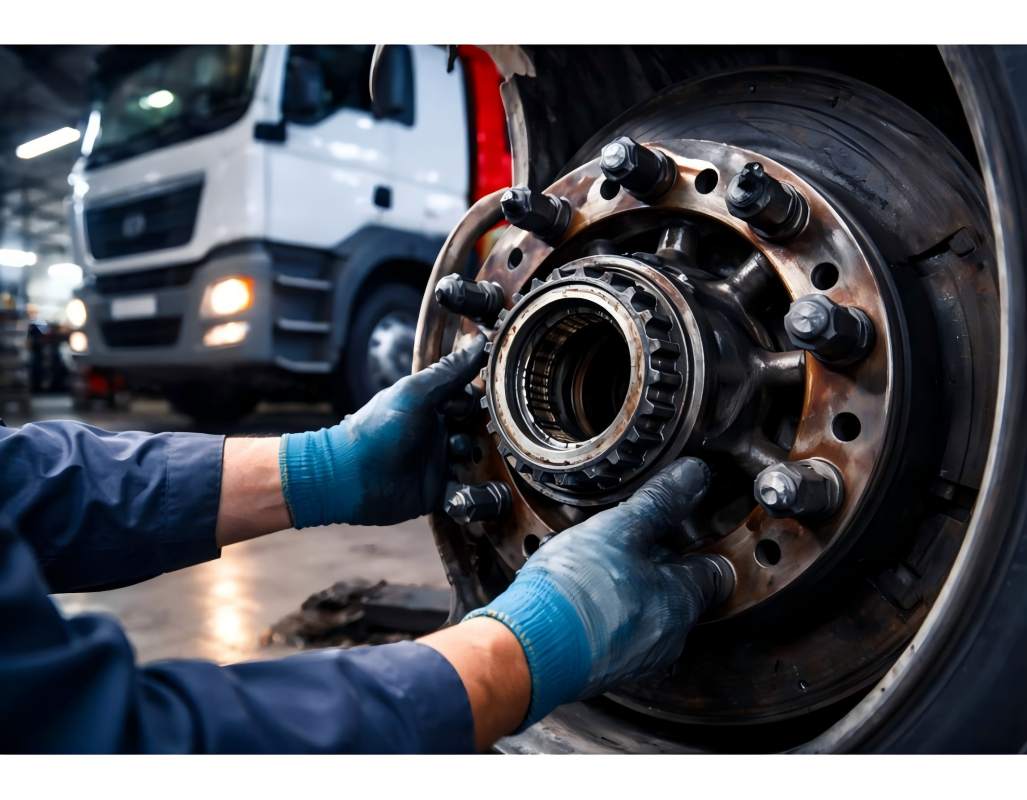
A truck wheel-end assembly may use tapered roller bearings, integrated hub bearing units, or other configurations depending on the axle design.
Traditional adjustable wheel-end systems often use two opposed tapered roller bearings. Other assemblies use integrated or preset bearing arrangements.
These designs are not automatically interchangeable. The correct replacement must match the original wheel-end configuration and the vehicle manufacturer's technical requirements.
2. Tapered Roller Bearings in Commercial Vehicles
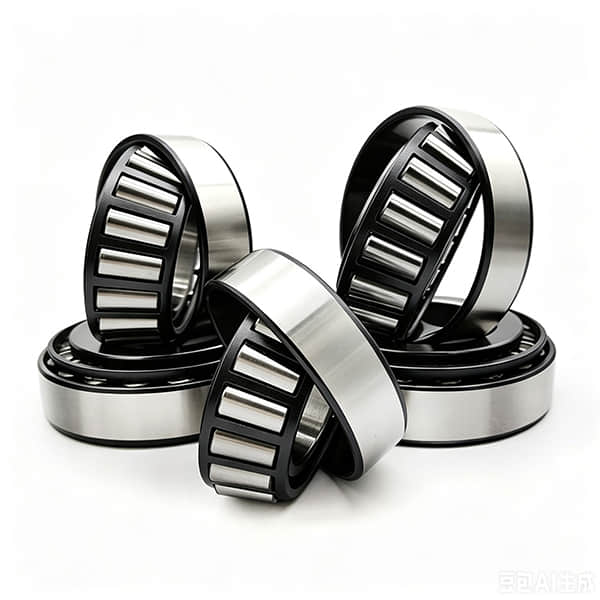
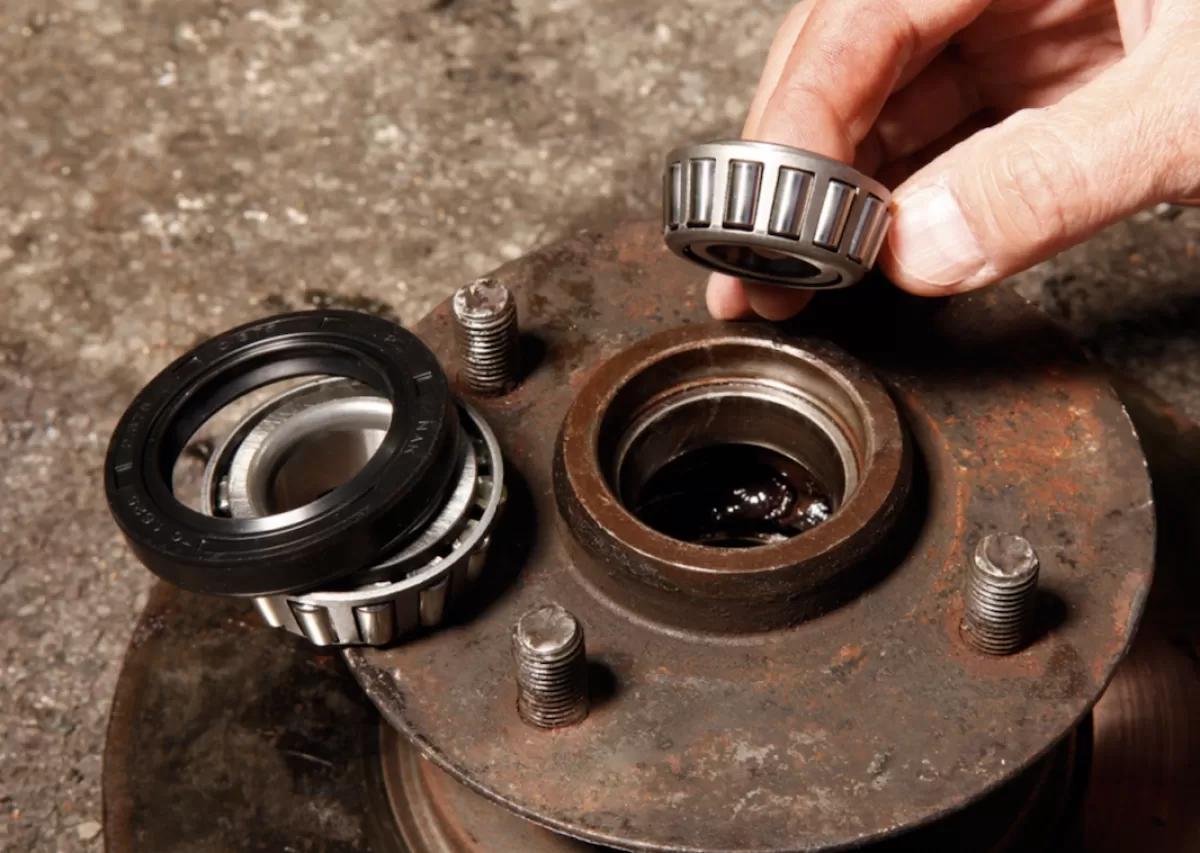
Tapered roller bearings are commonly used in commercial vehicle wheel-end applications because their geometry allows them to support combined radial and axial loads.
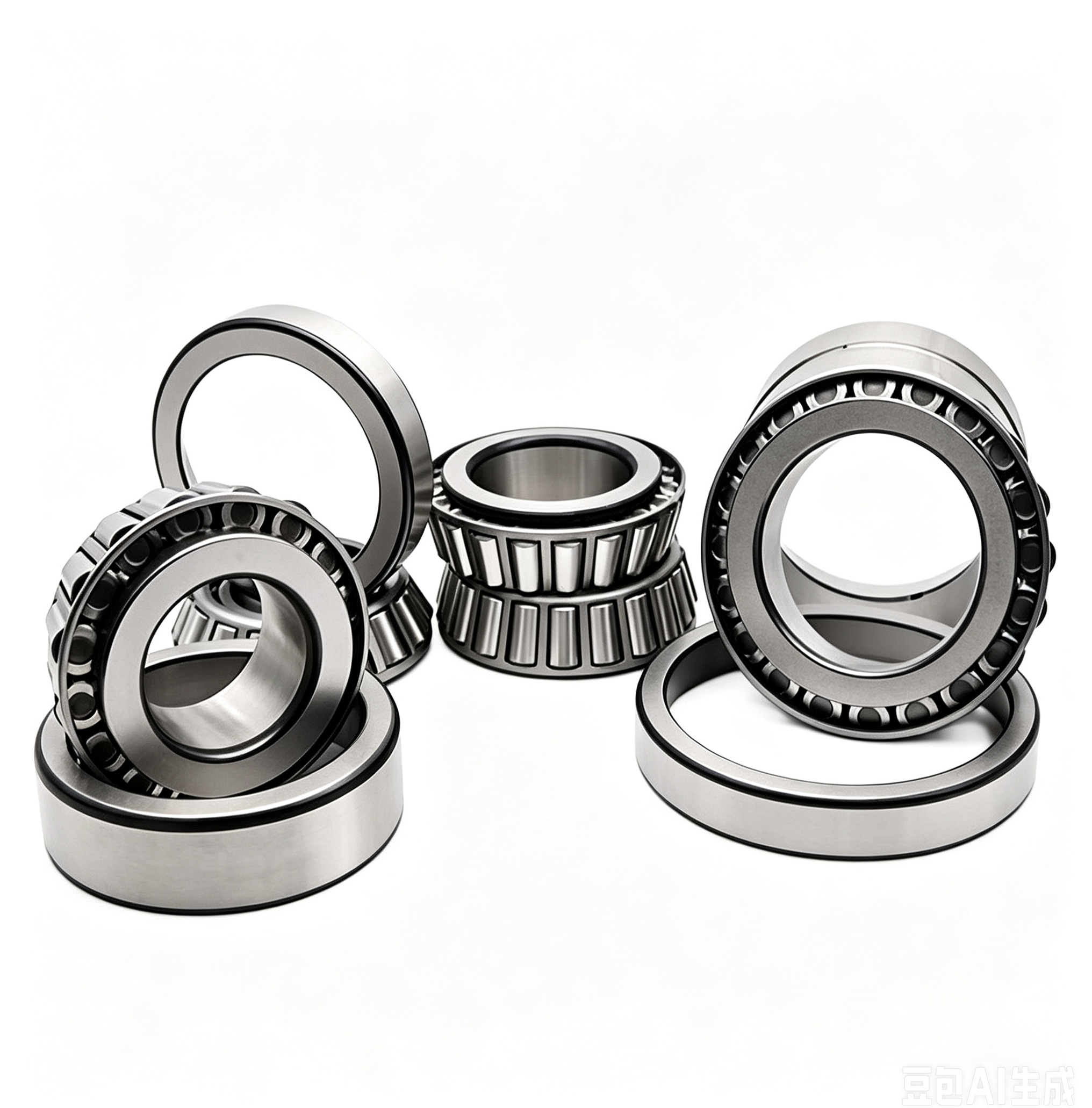
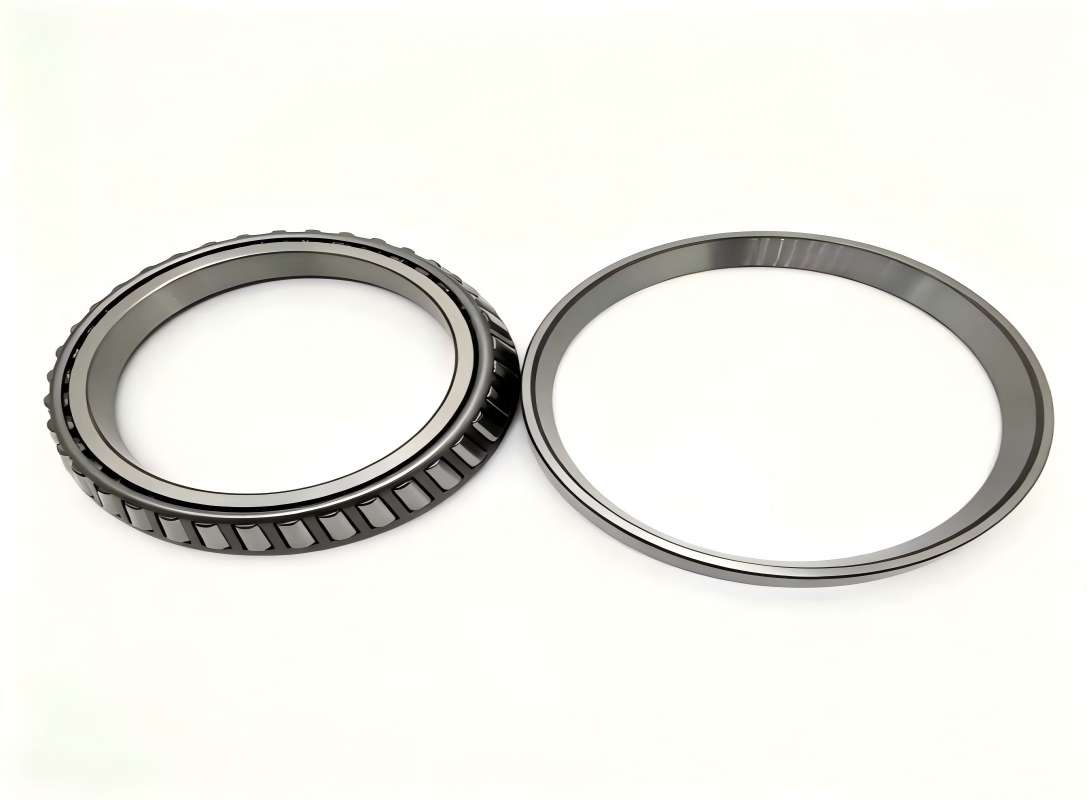
A typical separable tapered roller bearing consists of a cone, containing the inner ring, rollers, and cage, and a cup, which forms the outer ring.
For an example of a double-row construction, explore the97506 double-row tapered roller bearing, listed in the DBS Bearing catalog with dimensions of 30 × 62 × 49.625 mm.
This example illustrates a double-row bearing design. Its suitability for any particular truck axle must be confirmed using the original bearing or axle specification.
3. How to Identify the Correct Replacement
The original bearing reference is usually the best starting point for replacement identification.
Buyers should record the complete bearing designation, including all prefixes, suffixes, and component numbers.
When the marking is unavailable, dimensional inspection can help narrow down the options.
| Specification | What to Check |
|---|---|
| Inner Diameter (d) | Nominal bearing bore in mm |
| Outer Diameter (D) | Nominal outside diameter in mm |
| Width (B/T) | Relevant bearing or assembly width |
| Bearing Design | Tapered roller, integrated hub unit, or other type |
| Component Numbers | Cone and cup references where applicable |
| Axle Identification | Manufacturer, axle model, and assembly reference |
Dimensions alone cannot establish interchangeability. Internal design, load ratings, fits, sealing, and installation requirements must also be reviewed.
4. Different Wheel Hub Bearing Designs
Not all wheel hub bearings use the same internal structure.
For example, theDAC427840 wheel hub bearingis a double-row angular contact ball bearing listed with dimensions of 42 × 78 × 40 mm.
Another example is theDAC396837 wheel hub bearing, with dimensions of 39 × 68 × 37 mm.
These are automotive wheel bearing examples, not confirmed replacements for heavy-duty truck wheel-end assemblies. They demonstrate why buyers must identify the actual bearing design rather than relying only on general product categories.
5. ABS Encoder Bearings Require Special Attention
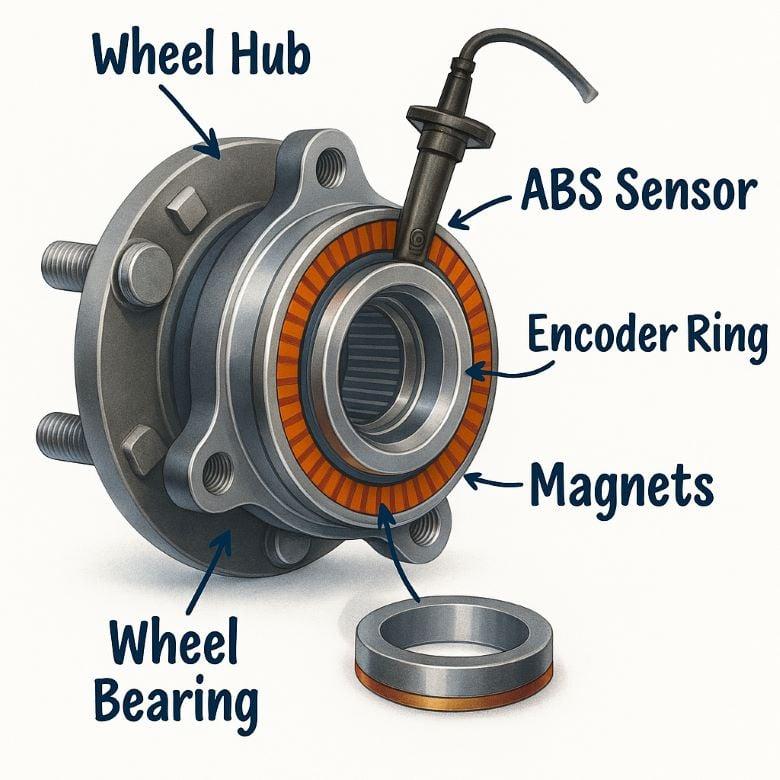
Some automotive wheel bearings incorporate magnetic encoder rings used by wheel-speed sensing systems.
TheDAC387437ABS wheel hub bearingis an example of a bearing with an integrated magnetic encoder, listed with dimensions of 38 × 74 × 37 mm.
For applications requiring an integrated encoder, the correct encoder configuration and installation orientation must be confirmed.
This automotive example should not be assumed to fit a heavy-duty truck axle. Truck ABS systems may use different sensor and wheel-end arrangements.
6. Common Causes of Wheel Bearing Failure
Insufficient Lubrication
Incorrect lubricant, inadequate lubrication, or lubricant leakage may contribute to increased friction and premature bearing damage.
Contamination
Water, dirt, and metal particles can damage rolling surfaces and reduce bearing service life.
Incorrect Installation
Improper mounting force, damaged bearing seats, or incorrect adjustment may cause premature failure.
Excessive Loading
Operating conditions outside the intended axle and bearing specifications can accelerate wear.
When replacing a failed bearing, maintenance personnel should investigate the original failure cause instead of installing a new bearing without further inspection.
7. Replacement and Installation Considerations
Wheel-end bearing installation is a safety-critical maintenance operation. The exact procedure depends on the axle and hub assembly design.
Qualified technicians should follow the vehicle or axle manufacturer's service instructions, including requirements for:
Inspection of the shaft, spindle, and hub
Correct bearing and seal identification
Lubricant selection and application
Specified bearing adjustment or preset arrangement
Fastener tightening procedures
Final wheel-end inspection
Generic tightening values or preload settings should never replace the instructions for the actual axle assembly.
8. Purchasing Checklist for Truck Parts Distributors
Before requesting a truck wheel hub bearing quotation, buyers should prepare:
Original bearing or OEM part number
Truck and axle manufacturer
Axle model or assembly identification
Bearing dimensions in millimeters
Clear photographs of the original bearing
Required quantity per reference
Any special sealing or technical requirements
Destination country and packaging preference
This information helps suppliers identify potential replacement options and reduces the risk of incorrect purchasing.
9. Truck and Automotive Bearing Supply from DBS Bearing
DBS Bearing, based in Linqing, Shandong, China, supports international customers sourcing bearings for commercial vehicles, automotive applications, transmissions, and industrial equipment.
Our supply scope includes tapered roller bearings, wheel hub bearings, gearbox bearings, differential bearings, and other aftermarket bearing products.
Depending on the product and order requirements, DBS Bearing can support:
Product sourcing using OEM or aftermarket references
Dimensional and technical specification review
Customer-specific bearing marking where applicable
Neutral, DBS-branded, or private-label packaging
Small-batch and repeat-order supply
International shipment coordination
For critical wheel-end applications, customers should confirm the original technical requirements before approving a replacement.
10. Frequently Asked Questions
Are all truck wheel bearings tapered roller bearings?
No. Many commercial vehicle wheel ends use tapered roller bearings, but other designs, including integrated hub units, are also used.
Can I replace a wheel bearing using dimensions only?
Not reliably. Dimensions are important, but bearing design, internal specifications, and axle requirements must also be checked.
Can a truck wheel bearing be purchased using an OEM number?
An OEM reference can help identify a replacement candidate. Compatibility should still be confirmed using the relevant technical specifications.
Does DBS Bearing provide private-label packaging?
Yes. DBS Bearing can discuss customized packaging and marking options depending on the product and order requirements.
What should I send for a quotation?
Provide the bearing number, axle identification, dimensions, required quantity, photographs, and destination country.
11. Request a Truck Wheel Bearing Quote
Are you sourcing truck wheel hub bearings for commercial vehicle maintenance, aftermarket distribution, or fleet repair?
Send DBS Bearing your bearing references, technical requirements, and purchasing quantities. Our team can review the information and discuss suitable supply options.
DBS Bearing — Aftermarket Bearing Solutions for Global Buyers.