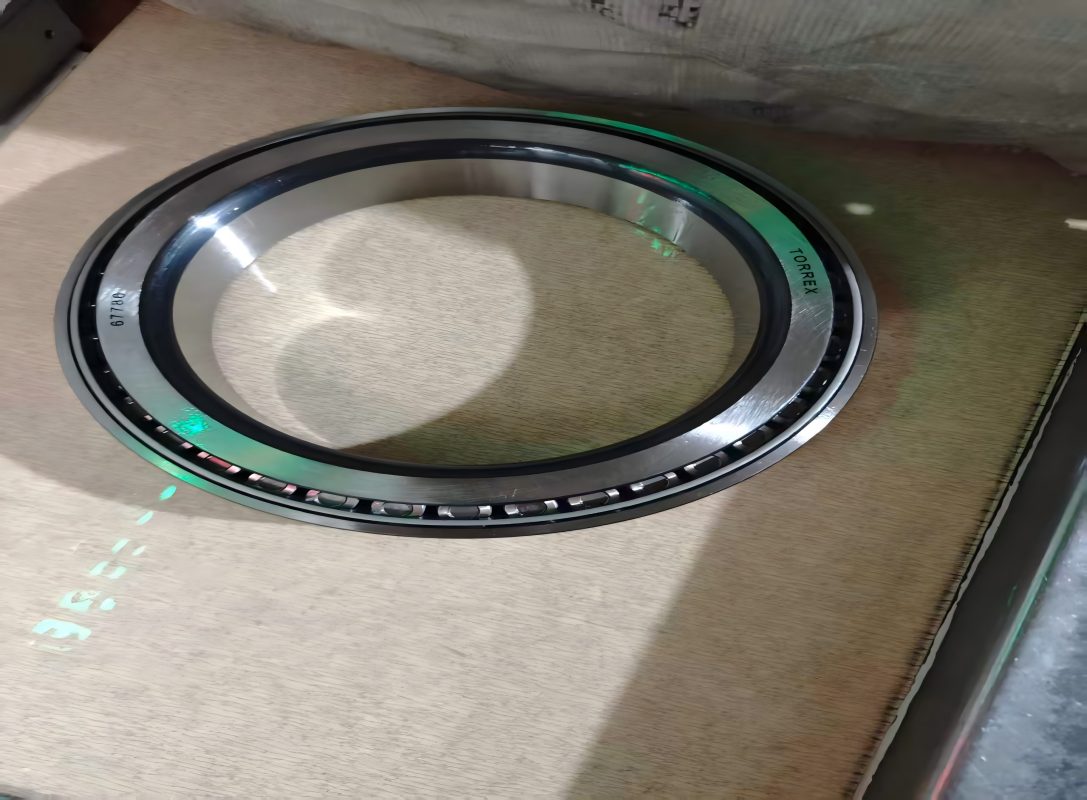
Tapered Roller Bearing Replacement: A Practical Guide
Tapered roller bearings are widely used in automotive drivetrains, industrial gearboxes, wheel assemblies, and heavy machinery. Their ability to support combined radial and axial loads makes them suitable for many demanding mechanical arrangements.
However, replacing a tapered roller bearing requires more than finding a product with similar dimensions. Buyers must verify the complete bearing designation, cone and cup combination, internal design, and installation requirements.
This guide explains how to identify tapered roller bearings correctly, avoid common purchasing mistakes, and prepare a reliable replacement inquiry.
1. Understanding the Cone and Cup
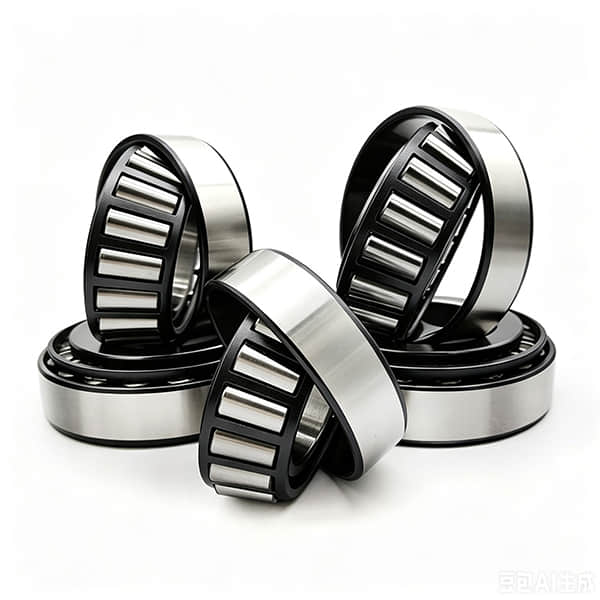
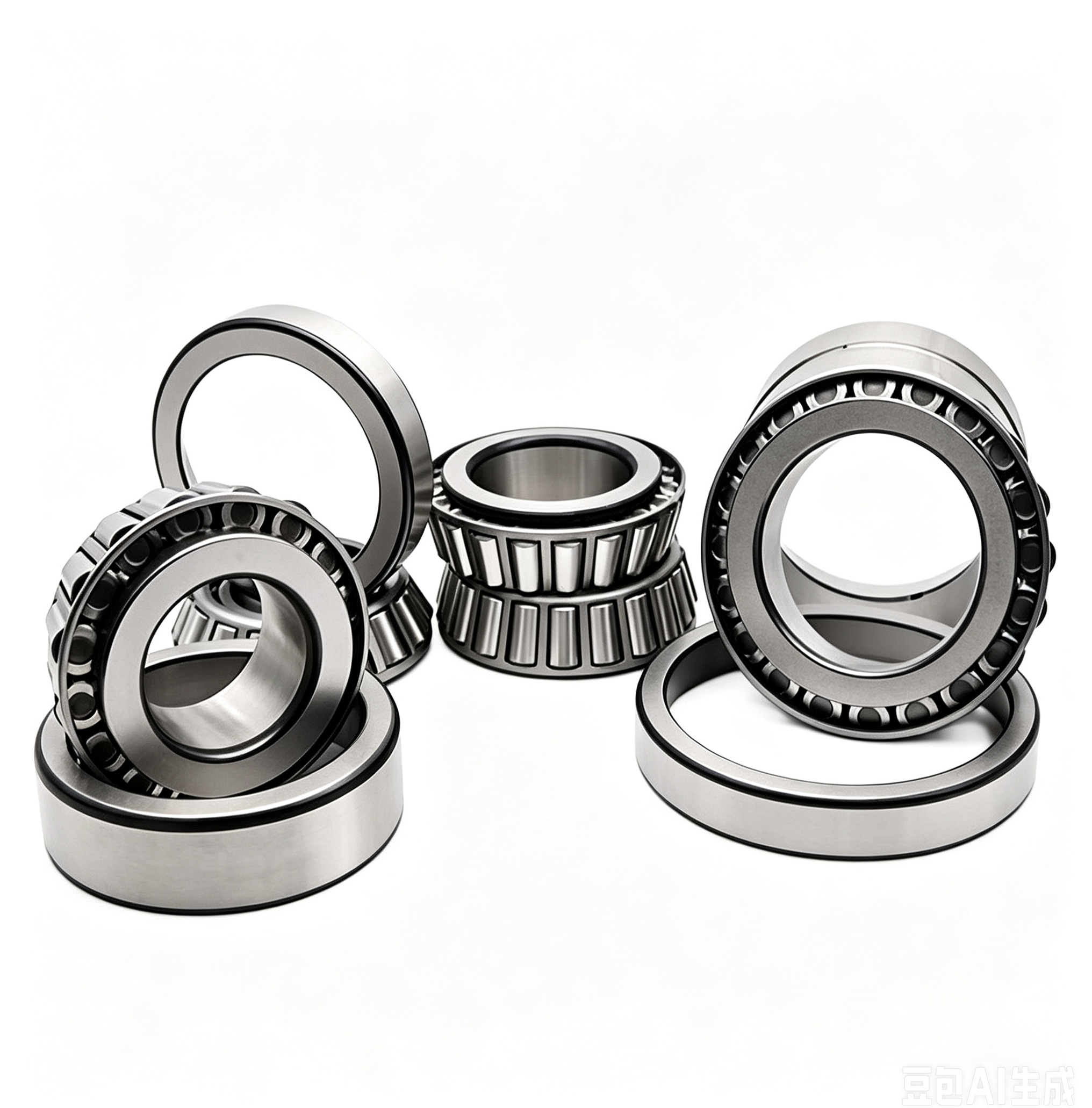
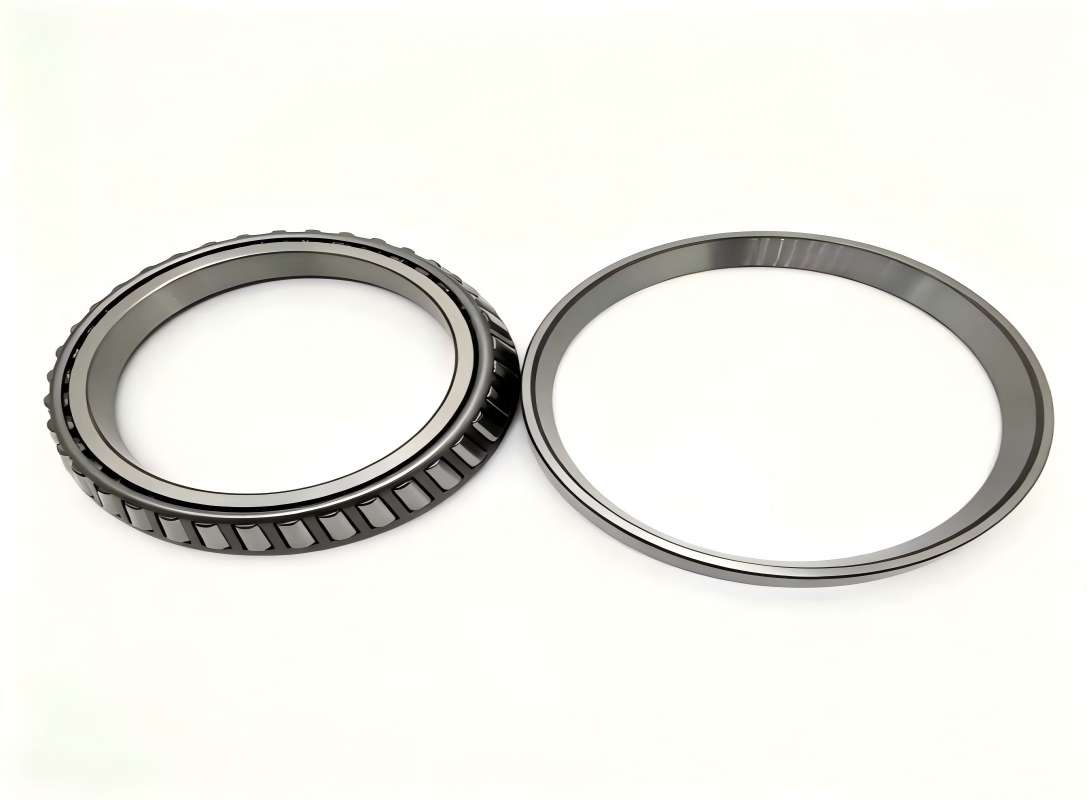
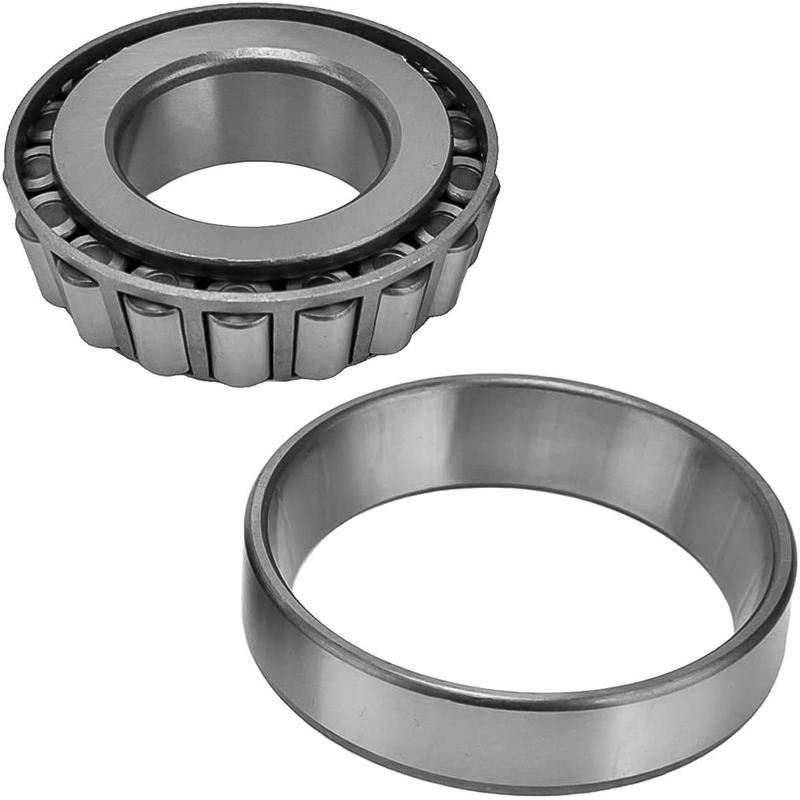
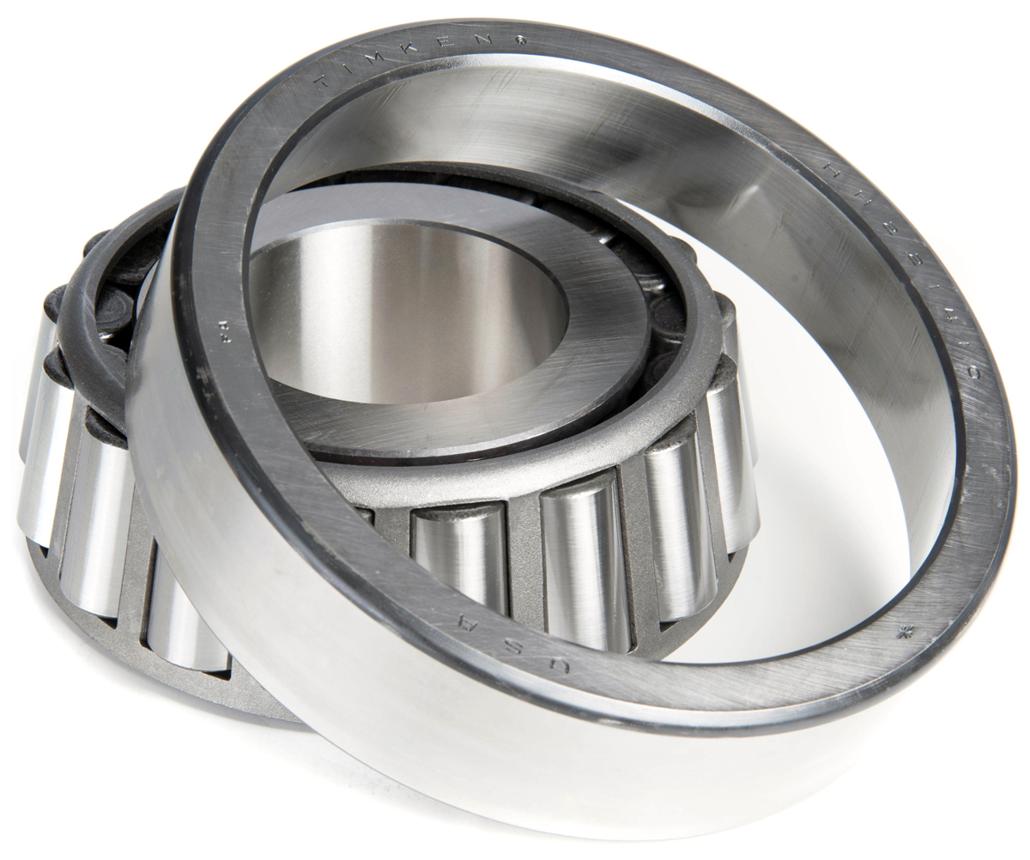
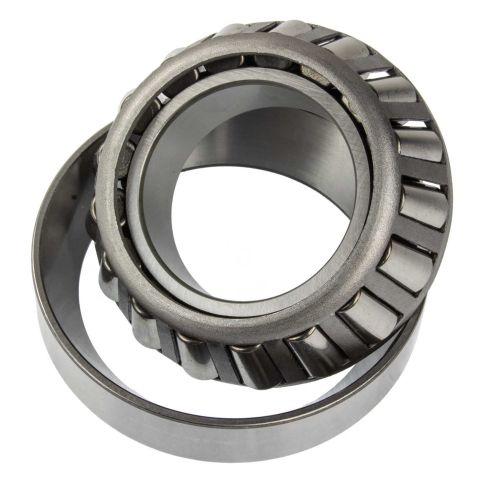
A typical single-row tapered roller bearing consists of two main separable components:
Cone: The inner ring assembly, including the tapered rollers and cage.
Cup: The outer ring containing the outer raceway.
In many inch-series bearings, the cone and cup have separate identification numbers.
For example, the09067/09195 tapered roller bearinguses cone reference 09067 and cup reference 09195. The DBS product listing specifies overall dimensions of 19.05 × 49.225 × 18.034 mm.
When ordering replacement components, both references should be checked. A cone and cup should not be combined solely because their approximate dimensions appear similar.
The intended pairing must be supported by the relevant bearing manufacturer's technical data.
2. How to Identify Bearing Dimensions
Three primary dimensions are used during initial tapered roller bearing identification:
d — Bore diameter: The nominal inside diameter.
D — Outside diameter: The nominal outer diameter.
T — Overall width: The complete bearing assembly width.
For separable bearings, the individual cone width and cup width may differ from the overall assembled width.
As an example, the27607 tapered roller bearingis listed with dimensions of 35 × 80 × 32.75 mm.
These measurements provide a useful identification starting point, but they do not establish compatibility with every bearing sharing the same dimensions.
Contact angle, internal geometry, tolerances, and load ratings may also affect replacement suitability.
3. Metric and Inch-Series Bearings
Tapered roller bearings are available in both metric and inch-series numbering systems.
Metric bearing references frequently follow standardized dimensional series, while inch-series bearings often use separate cone and cup designations.
For example, the32905 tapered roller bearinghas dimensions of 25 × 42 × 12 mm according to the DBS catalog.
When replacing a bearing, buyers should verify the exact reference and construction rather than choosing a product based only on whether it belongs to a metric or inch-series family.
4. Single-Row vs. Double-Row Bearings
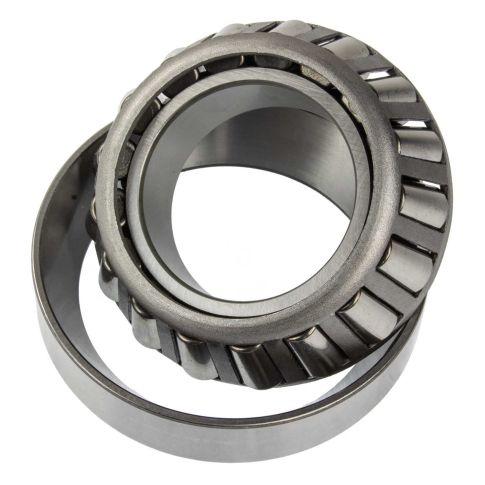
Single-row tapered roller bearings typically support axial loading in one direction in addition to radial loading. Opposed arrangements may be used when axial loads act in both directions.
Double-row tapered roller bearings incorporate two rows of tapered rolling elements within a bearing arrangement designed for its specified loading conditions.
An example from the DBS catalog is the97506 double-row tapered roller bearing, listed with dimensions of 30 × 62 × 49.625 mm.
Its double-row configuration is an important part of its product identification.
A single-row bearing must not be substituted for a double-row assembly simply because certain dimensions appear similar. Any design change requires appropriate engineering verification.
5. Industrial Bearing Replacement Requirements
Larger industrial equipment may use tapered roller bearings with substantially different load and mounting requirements from smaller automotive assemblies.
For example, the30236 tapered roller bearingis listed in the DBS catalog with dimensions of 180 × 320 × 57 mm.
For industrial bearing replacement, purchasers should also review operating loads, shaft and housing fits, lubrication arrangements, temperature conditions, and relevant mounting specifications.
For critical machinery, replacement selection should follow the equipment manufacturer's technical requirements or an appropriate engineering assessment.
6. Common Replacement Mistakes
Ordering Only the Cone or Cup
Some purchasers provide only one component number when they actually require a complete bearing set.
Before placing an order, confirm whether the quotation should include the cone, cup, or complete assembly.
Matching Dimensions Without Checking Design
Bearings with identical basic dimensions may have different internal geometries, tolerances, or load-carrying characteristics.
Dimension matching is necessary, but it is not always sufficient.
Mixing Unverified Components
Combining a cone and cup from different bearing designs can create incorrect contact conditions or unsuitable assembly characteristics.
Use the designated component combination or obtain technical confirmation before selecting an alternative.
Ignoring Mounting Conditions
Improper installation, contamination, damaged bearing seats, and incorrect adjustment can reduce bearing life.
Technicians should follow the equipment manufacturer's instructions for installation, lubrication, preload, and endplay.
7. Replacement Bearing Checklist
| Information | What Buyers Should Provide |
|---|---|
| Original Reference | Complete bearing, cone, and cup numbers |
| Bore Diameter | Inner diameter in mm |
| Outside Diameter | Outer diameter in mm |
| Overall Width | Assembly width in mm |
| Bearing Construction | Single-row, double-row, or other design |
| Technical Requirements | Clearance, tolerance, cage, and special features |
| Application | Machine, axle, or gearbox information |
| Quantity | Required number of pieces or sets |
| Packaging | Neutral, DBS-branded, or private-label packaging |
Clear photographs of the original bearing and its markings can also help suppliers review the inquiry.
8. Sourcing Tapered Roller Bearings from DBS Bearing
DBS Bearing is based in Linqing, Shandong, China, and supports international customers sourcing automotive, commercial vehicle, and industrial bearing products.
Our supply scope includes metric and inch-series tapered roller bearings, double-row bearings, truck transmission bearings, and other aftermarket bearing solutions.
Depending on the product and purchasing requirements, DBS Bearing can support:
Bearing identification using original references
Cone and cup combination review
Dimensional and technical requirement checking
OEM and private-label packaging
Customer-specific marking where applicable
Small-batch and repeat-order supply arrangements
International shipping coordination
For additional guidance on identifying alternative references, read ourBearing Cross Reference and Interchange Guide.
9. Frequently Asked Questions
Can I buy a tapered roller bearing cone separately?
Some cone and cup components may be supplied separately. Buyers should confirm the correct component references and whether the application requires a complete matched assembly.
Can two tapered roller bearings have the same dimensions?
Yes. Similar boundary dimensions do not necessarily mean that two bearings have identical internal designs or operating characteristics.
What is the difference between cone width and overall width?
Cone width describes the relevant inner ring assembly dimension, while overall width describes the complete bearing assembly dimension. The exact notation depends on the bearing design.
Can DBS Bearing supply custom packaging?
Yes. Packaging options can include neutral boxes, DBS-branded packaging, and customer-specific private-label arrangements depending on the order.
What should I send for a quotation?
Provide the complete bearing reference, cone and cup numbers if applicable, dimensions, quantity, photographs, and destination country.
10. Request a Tapered Roller Bearing Quote
Are you looking for replacement tapered roller bearings for automotive, truck, gearbox, or industrial applications?
Send DBS Bearing your original bearing references, dimensions, quantities, and technical requirements.
Our team will review your inquiry and discuss suitable aftermarket supply options.
DBS Bearing — Aftermarket Bearing Solutions for Global Buyers.