Welcome to Linqing Xinshengdi Bearing Co., Ltd.


How to Cross-Reference Bearing Part Numbers
How to Cross-Reference Bearing Part Numbers
Finding a replacement bearing is not always as simple as matching a part number.
Different bearing manufacturers may use different designations for products with similar dimensions and intended functions. However, two bearings that appear equivalent are not necessarily interchangeable in every application.
A reliable bearing cross reference process should consider dimensions, bearing design, internal clearance, seals, load ratings, and operating conditions.
This guide explains what industrial buyers and distributors should check before selecting a replacement bearing.
1. Start with the Original Bearing Number
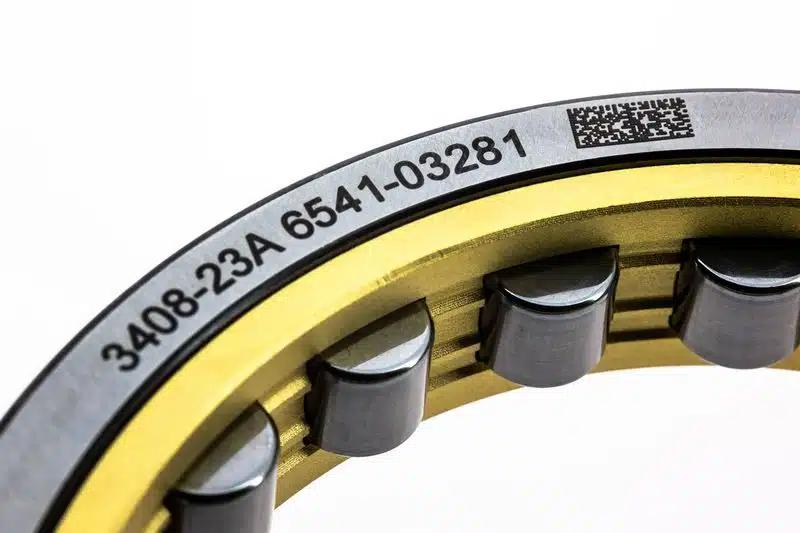
The first step is to identify the complete original bearing designation.
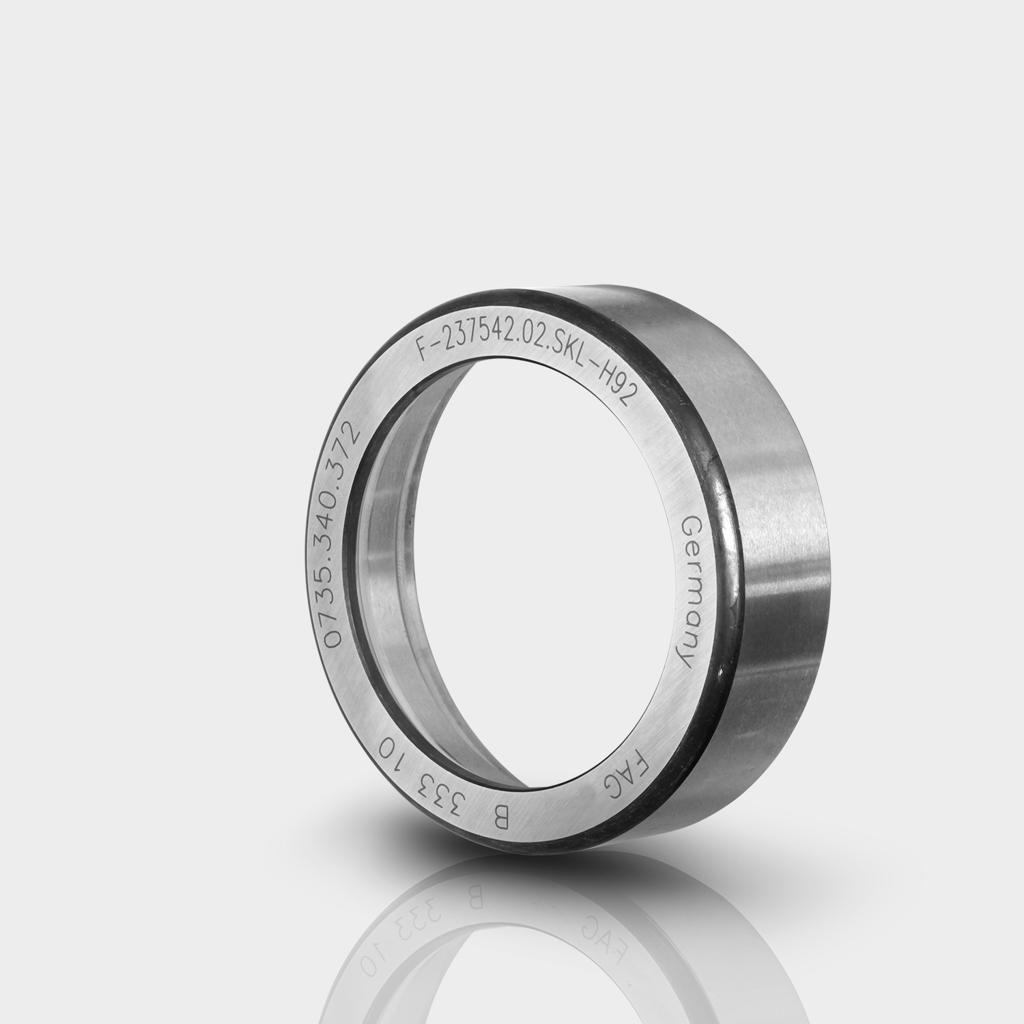
Look for the model number printed or engraved on the bearing ring, original packaging, equipment documentation, or maintenance records.
Make sure to record all prefixes and suffixes.
For example, a bearing marked 6205-2RS/C3 should not automatically be treated as identical to a basic 6205 bearing.
The suffixes may indicate important differences in sealing arrangements, internal clearance, or other product characteristics.
2. Compare Bearing Dimensions
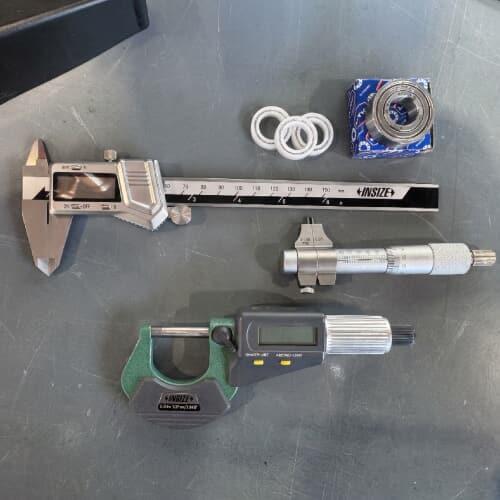
Dimensions are one of the most important factors in bearing interchange.
The main dimensions typically include:
Bore diameter (d)
Outside diameter (D)
Bearing width (B or T)
For standard rolling bearings, matching these dimensions is an important starting point.
However, dimensions alone do not confirm full interchangeability. Two bearings may fit the same shaft and housing while having different internal designs or performance characteristics.
3. Check the Bearing Type and Internal Design
A replacement bearing should have a suitable design for the original application.
Common bearing types include:
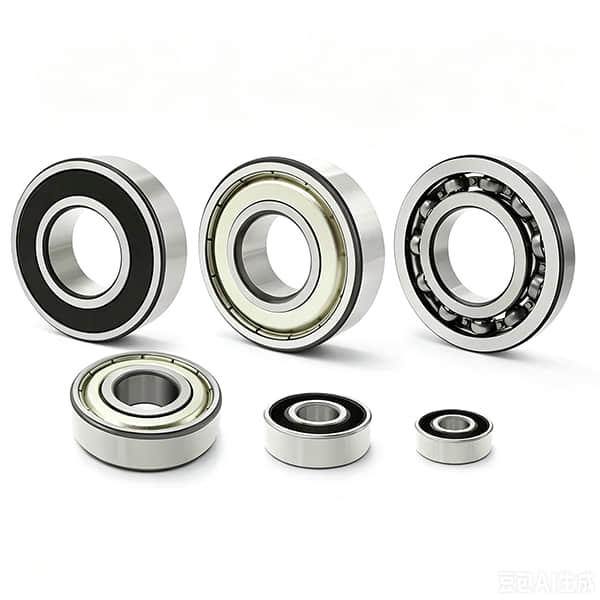
Angular contact ball bearings
Cylindrical roller bearings
Thrust bearings
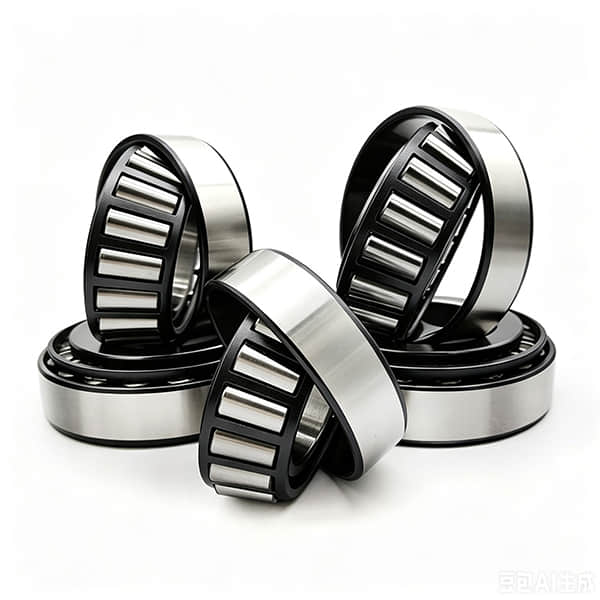
For example, tapered roller bearings are designed to accommodate combined radial and axial loads, while deep groove ball bearings have different internal geometry and application characteristics.
These bearing types should not be substituted without an appropriate engineering assessment.
4. Understand Bearing Suffix Differences
Bearing suffixes can be especially important when comparing products from different manufacturers.
Common designations include:
Suffix | Common meaning |
|---|---|
2RS | Seals on both sides |
ZZ / 2Z | Shields on both sides |
C3 | Greater-than-normal radial internal clearance |
C4 | Greater clearance than C3 |
These are common examples, not universal cross-brand definitions.
Suffix systems may differ by manufacturer, bearing type, and product series. Buyers should always verify the exact designation in the relevant manufacturer's technical catalog.
5. Verify Load Ratings and Operating Speed
Even when bearing dimensions match, performance specifications may differ.
Important factors include:
Basic dynamic load rating
Basic static load rating
Reference or limiting speed
Operating temperature
Lubrication requirements
Bearing material and cage design
A replacement bearing must be suitable for the actual load and operating conditions.
For critical machinery, a replacement should be approved through the equipment manufacturer's specifications or an appropriate engineering review.
6. Pay Special Attention to Inch Tapered Roller Bearings
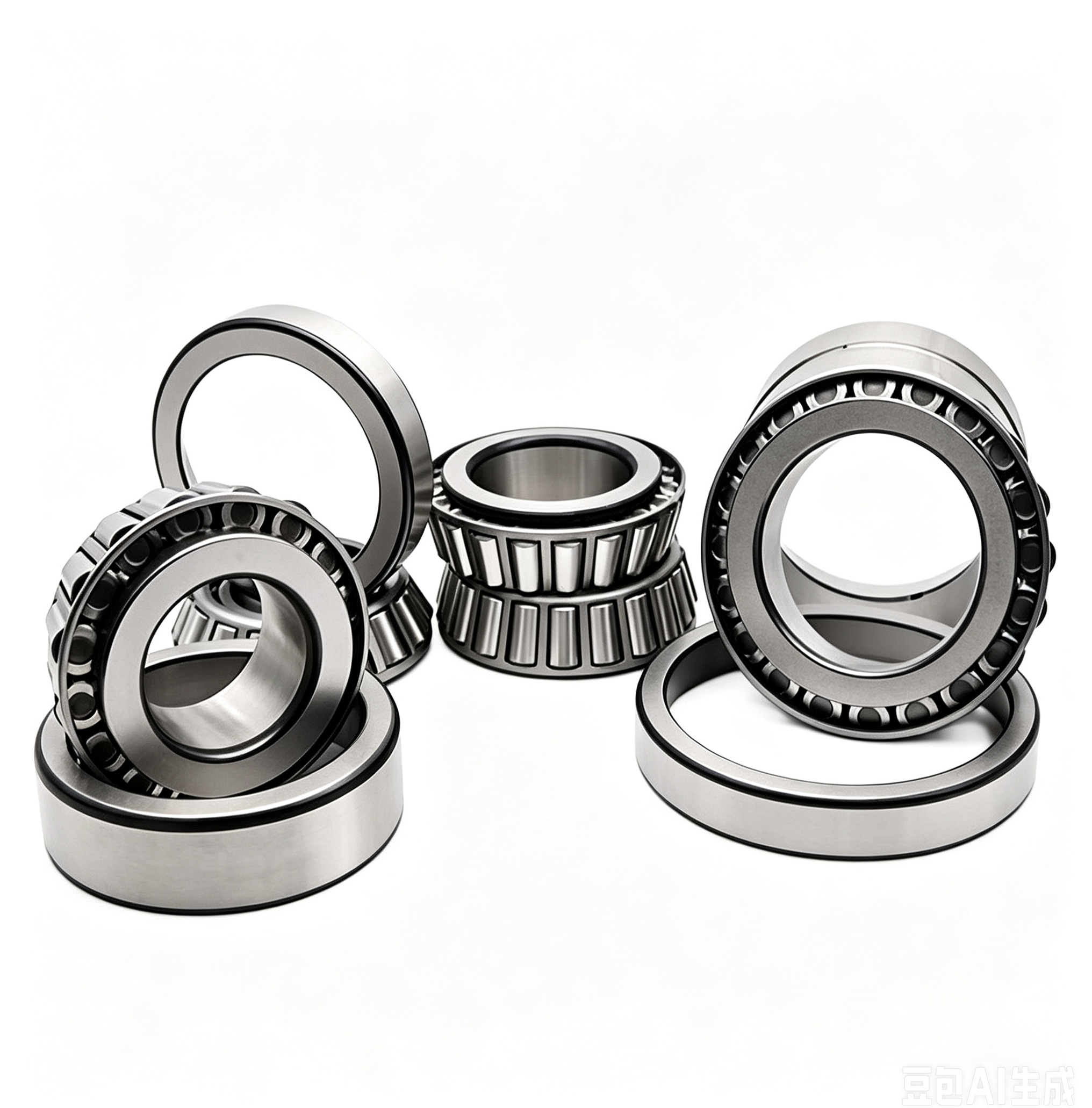
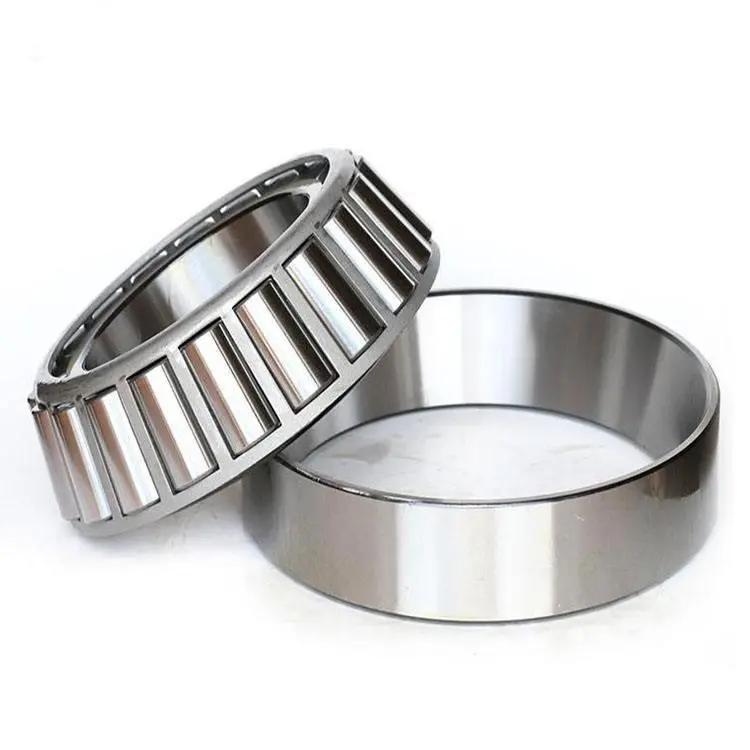
Inch tapered roller bearings often use separate cone and cup part numbers.
For example, LM11949 identifies a cone, while LM11910 identifies a corresponding cup in a commonly used bearing combination.
When searching for an equivalent, both component numbers should be confirmed.
Buyers can explore the inch tapered roller bearing series to review related products.
Matching only one component number or relying on approximate dimensions can result in an incorrect replacement.
7. What If No Standard Replacement Is Available?
Some older machines, specialized equipment, and imported industrial assemblies use bearings that are difficult to identify or source.
When a standard replacement cannot be confirmed, buyers may need to consider a non-standard bearing solution.
Useful information includes:
Original bearing number
Technical drawing
Bearing dimensions
Product photographs
Original equipment model
Operating conditions
Required quantity
For special applications, samples or drawings may be necessary to evaluate manufacturing feasibility.
8. How to Avoid Bearing Interchange Mistakes
Before approving a replacement bearing, confirm the following:
The complete original designation.
The bearing type and internal design.
Bore, outside diameter, and width.
Sealing and clearance requirements.
Load, speed, and operating conditions.
Any special mounting or application requirements.
For additional guidance on selecting a reliable supplier, read our bearing supplier evaluation guide.
Bearing Cross-Reference Support from DBS Bearing
DBS Bearing supports industrial and automotive bearing sourcing, including metric and inch tapered roller bearings, deep groove ball bearings, and special bearing configurations.
If you are searching for an alternative to an existing bearing, our team can review the available part numbers, drawings, dimensions, and application information to help identify possible supply options.
Any proposed replacement should be technically verified before installation.
Need help finding a bearing equivalent?
Contact DBS Bearing with your original bearing number, required quantity, and application details.
DBS Bearing — Your Reliable Bearing Solution Partner
Website: https://www.dbsbearing.com/