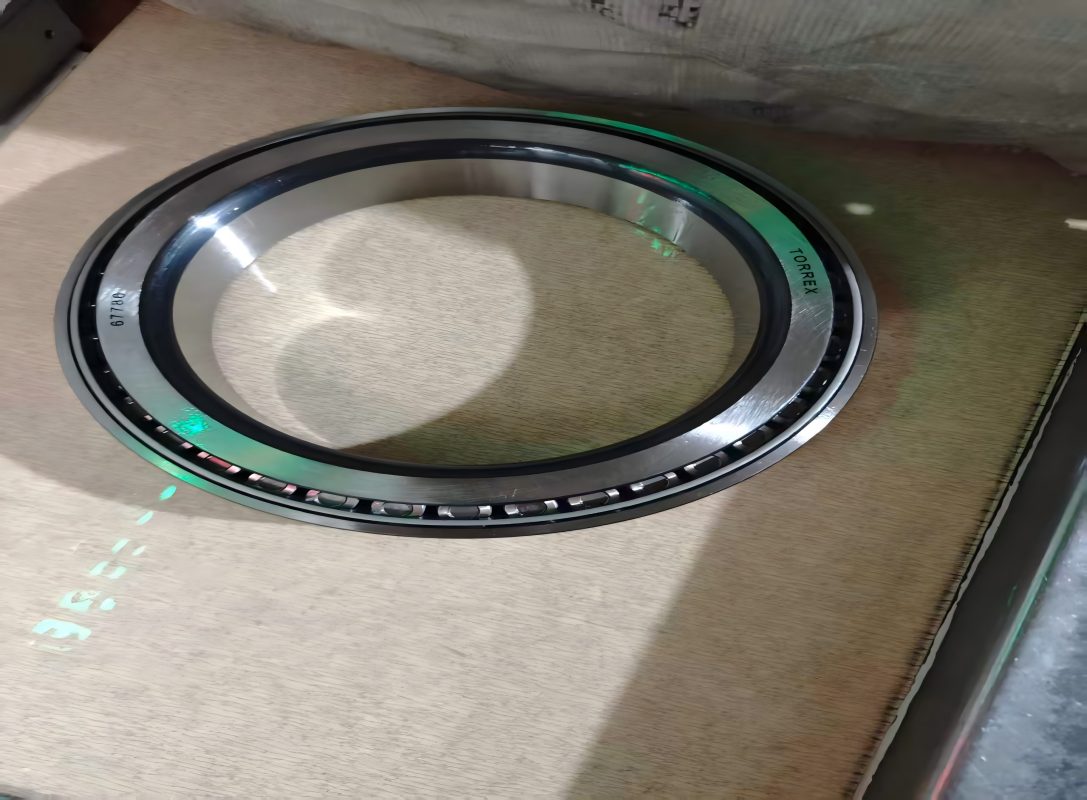
Bearing Clearance and Performance
Bearing internal clearance is an important technical parameter that influences operating temperature, vibration, rotational accuracy, load distribution, and service life.
For automotive, commercial vehicle, and industrial applications, selecting the correct clearance is just as important as choosing the correct bearing dimensions and construction.
Even a correctly manufactured bearing may experience premature failure if its operating clearance or preload does not meet the application requirements.
Understanding Different Stages of Bearing Clearance
Bearing clearance may change significantly between manufacturing, installation, and actual operation.
| Clearance Stage | Description |
|---|---|
| Initial Clearance | Internal clearance before installation. |
| Mounted Clearance | Remaining clearance after the bearing is installed on the shaft and in the housing. |
| Operating Clearance | Effective clearance under actual operating temperature and load conditions. |
These values may differ because of interference fits, thermal expansion, and mechanical loading.
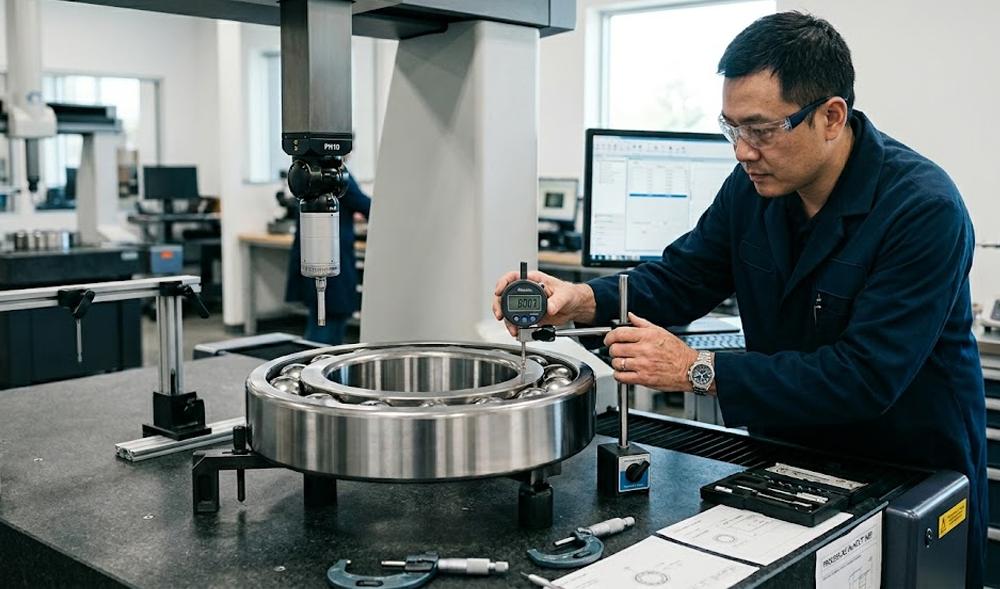
How Clearance Affects Bearing Performance
Insufficient Operating Clearance
If operating clearance becomes smaller than required, the bearing may experience excessive internal loading.
Potential consequences include:
Increased friction and operating temperature
Accelerated lubricant degradation
Abnormal raceway and rolling element wear
Reduced bearing service life
Excessive Operating Clearance
Excessive clearance may also negatively affect bearing performance, particularly in applications requiring accurate shaft positioning.
Possible consequences include increased vibration, noise, uneven load distribution, and reduced rotational accuracy.
Clearance in Deep Groove Ball Bearings
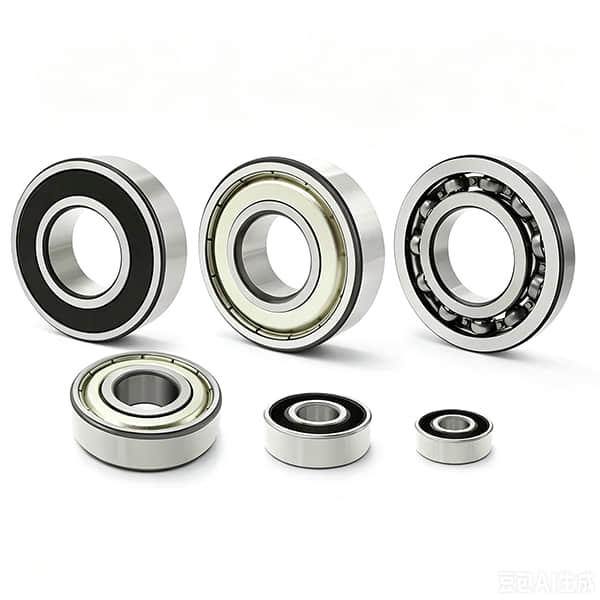
Deep groove ball bearings are available with different radial internal clearance specifications to accommodate various operating conditions.
For example, the 6205-2RS C3 deep groove ball bearing combines double rubber seals with greater-than-normal radial internal clearance.
In suitable applications, additional initial clearance can compensate for clearance reduction caused by interference fits and temperature differences between the bearing rings.
However, C3 clearance should not automatically be considered superior to Normal clearance.
For more information about clearance classifications, read our guide to C2, CN, C3, and C4 bearing clearance.
Clearance and Preload in Truck Gearboxes
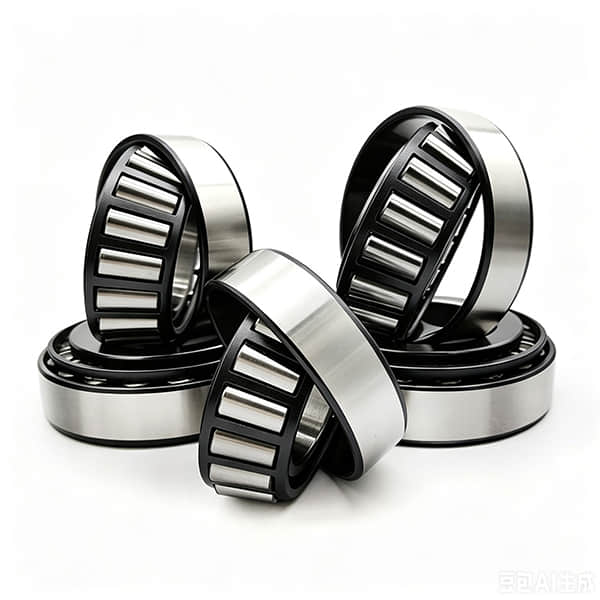
Tapered roller bearings are widely used in commercial vehicle transmissions because they can accommodate combined radial and axial loads.
Unlike many standard ball bearing arrangements, tapered roller bearing systems often require adjustment of axial endplay or preload during assembly.
The 0750 117 009 gearbox tapered roller bearing is an example of a commercial vehicle transmission bearing in the DBS product range.
Correct bearing adjustment is important for maintaining shaft positioning and gear alignment. The required setting must follow the relevant gearbox manufacturer's technical specifications.
Incorrect adjustment may contribute to excessive heat, abnormal noise, gear misalignment, or premature component damage.
Clearance in Heavy Industrial Bearings
Large industrial bearings may operate under substantial mechanical loads and significant temperature variations.
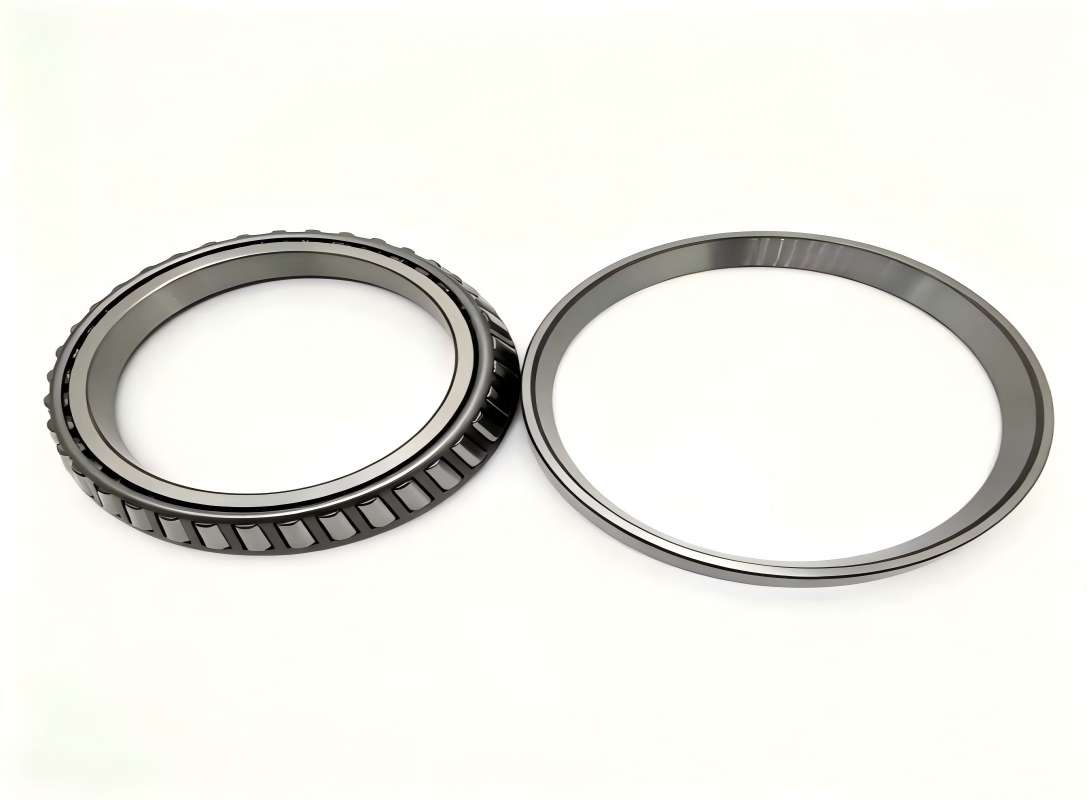
For example, the 23064CA/W33 spherical roller bearing represents a large bearing design intended for demanding industrial applications.
When selecting spherical roller bearings, buyers should consider shaft fits, housing conditions, operating temperatures, lubrication, and the required internal clearance.
The correct clearance specification should be confirmed according to the actual operating environment.
Clearance Control in Multi-Row Bearings
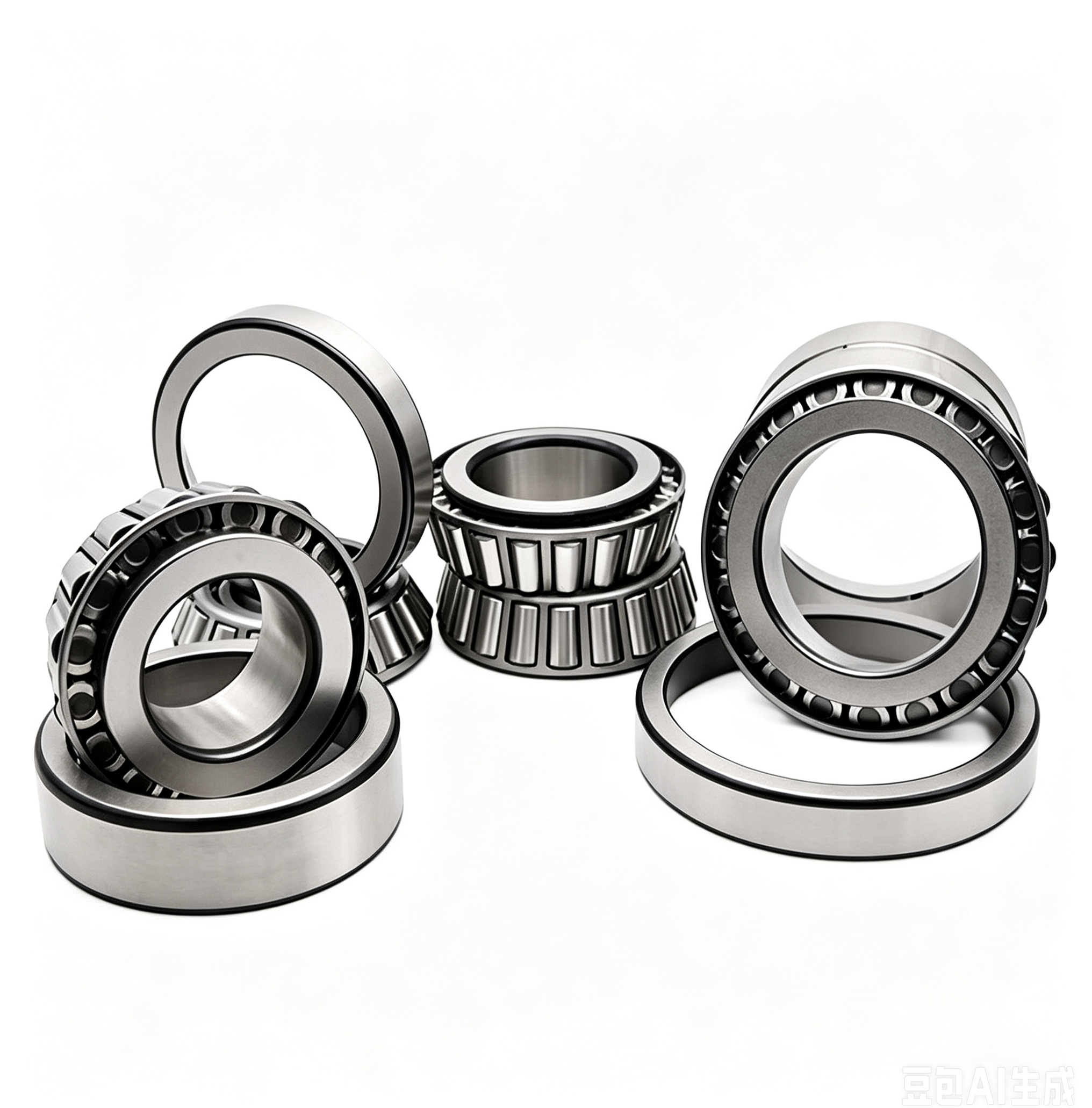
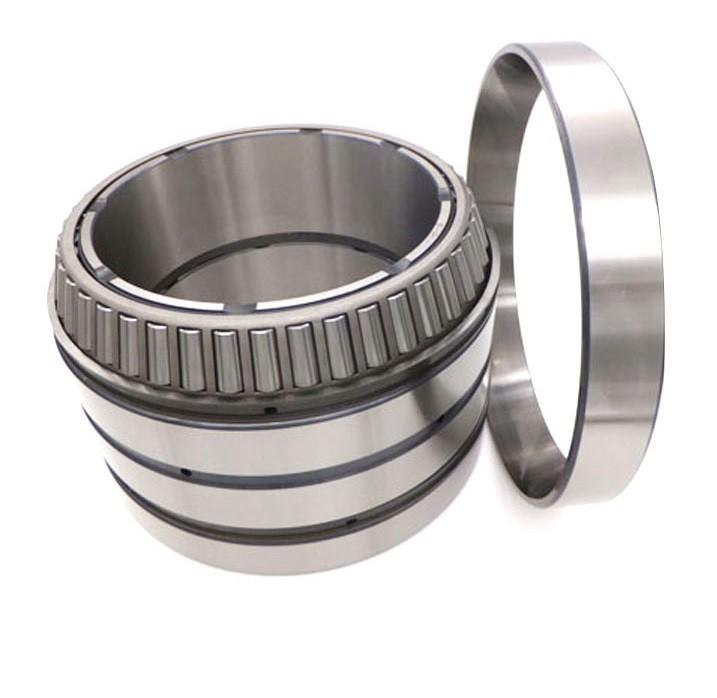
Multi-row tapered roller bearing assemblies may use specially manufactured spacers to achieve the required internal settings.
The JM171649DGW/JM171610 four-row tapered roller bearing is an example of a specialized bearing assembly for rolling mill applications.
For matched bearing assemblies, components and spacers should be maintained in their designated combinations. Mixing components without technical
verification may affect the intended clearance and load distribution.
Bearing Clearance Inspection at DBS Bearing
At DBS Bearing, quality control involves reviewing product specifications and inspecting relevant bearing characteristics according to the bearing design and customer requirements.
Our inspection processes may include:
Bearing dimensional inspection
Internal clearance measurement
Component matching and assembly checks
Hardness inspection
Noise and vibration inspection
Rotational performance checks
Inspection requirements can be discussed with customers before production or order confirmation.
OEM and Customized Bearing Specifications
Different equipment manufacturers and aftermarket distributors may require specific bearing configurations.
DBS Bearing supports customers with technical specification review, customized production, customer-specific marking, and private-label packaging.
Customers requiring special clearance or matched bearing assemblies are encouraged to provide:
Complete bearing reference
Technical drawings or original samples
Required clearance or preload specification
Shaft and housing fit requirements
Operating temperature and speed
Required order quantity
Frequently Asked Questions
Does greater bearing clearance mean better quality?
No. Clearance describes an internal bearing characteristic rather than its manufacturing quality. The correct clearance depends on application requirements.
Does bearing clearance change after installation?
Yes. Shaft and housing fits, operating temperatures, and loading conditions can affect the effective clearance.
Are bearing clearance and preload the same?
No. Clearance represents available internal movement, while preload introduces a controlled initial internal load into a bearing arrangement.
Can DBS Bearing supply special clearance bearings?
Special clearance requirements can be reviewed according to the bearing type, technical specifications, and order quantity.
Find the Right Bearing Specification
Looking for a bearing manufacturer that supports technical customization and consistent batch supply?
DBS Bearing supplies automotive bearings, truck transmission bearings, differential bearings, tapered roller bearings, and industrial bearing solutions for international distributors and OEM customers.
Contact our team to discuss your bearing references and technical requirements.
Website: www.dbsbearing.com
Email: [email protected]
WhatsApp: +86 152 6556 9851
DBS Bearing — Precision in Every Detail.