Welcome to Linqing Xinshengdi Bearing Co., Ltd.


Bearing Clearance: C2, CN, C3, and C4 Explained
Bearing clearance is an important specification that directly affects bearing temperature, vibration, load distribution, and service life.
When selecting a bearing, you may see designations such as C2, CN, C3, or C4. These codes indicate different internal clearance levels.
Choosing the correct clearance is especially important for electric motors, pumps, fans, conveyors, and other rotating equipment.
What Is Bearing Clearance?
Bearing clearance is the internal space between the rolling elements and raceways before the bearing is installed.
After installation, the actual operating clearance can change because of:
Shaft and housing fits
Operating temperature
Thermal expansion
Load conditions
Therefore, the clearance of an unmounted bearing is not necessarily the same as its clearance during operation.

What Do C2, CN, C3, and C4 Mean?
The common clearance classes can be understood simply:
| Clearance | Meaning | Typical Use |
|---|---|---|
| C2 | Less than normal | Applications requiring tighter internal clearance |
| CN | Normal clearance | General-purpose applications |
| C3 | Greater than normal | Higher temperature or interference fits |
| C4 | Greater than C3 | More demanding thermal or fit conditions |
The exact clearance values depend on the bearing type and bore size, so a C3 bearing does not have one universal clearance value.
When Is C3 Clearance Used?
C3 is one of the most commonly specified increased-clearance options.
It may be appropriate when installation and operating conditions significantly reduce the bearing's effective clearance.
Typical situations include:
Higher operating temperatures
Tight shaft fits
Thermal expansion
Certain electric motor applications
Heavy-duty operating conditions
However, C3 is not automatically better than CN.
If an application does not require additional clearance, using C3 may increase internal movement and potentially affect noise, vibration, or running accuracy.

C2 vs CN vs C3 vs C4
A simple rule is:
C2 → tighter
CN → normal
C3 → greater
C4 → even greater
The correct choice should be based on the actual operating conditions rather than simply selecting the largest clearance.
Why Bearing Clearance Matters
Incorrect clearance can cause problems.
Too Little Clearance
Insufficient operating clearance can increase:
Friction
Operating temperature
Contact stress
Risk of premature failure
Too Much Clearance
Excessive clearance can lead to:
Increased vibration
Noise
Uneven load distribution
Reduced running accuracy
The objective is to achieve suitable operating clearance, not simply the largest or smallest possible clearance.

How to Choose the Correct Clearance
Before ordering a bearing, consider:
1. Operating temperature
Higher temperature differences may require additional clearance.
2. Shaft fit
A tight interference fit can reduce internal clearance after installation.
3. Housing fit
The housing fit also affects the final operating clearance.
4. Speed and load
Speed, load, lubrication, and heat generation should be considered together.
5. Manufacturer specification
Always confirm the recommended clearance with the bearing manufacturer or supplier.
Don't Confuse C3 With Bearing Precision
One common mistake is assuming that C3 means higher precision or better quality.
It does not.
C3 describes internal clearance, while bearing precision is specified separately through tolerance or precision classes.
Therefore:
C3 ≠ higher precision
C3 ≠ higher quality
It simply means the bearing has greater internal clearance than the normal clearance class.
Why Choose DBS Bearing?
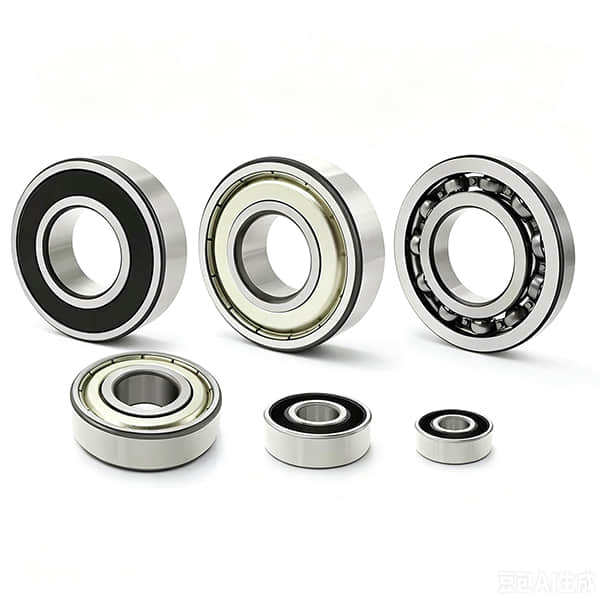
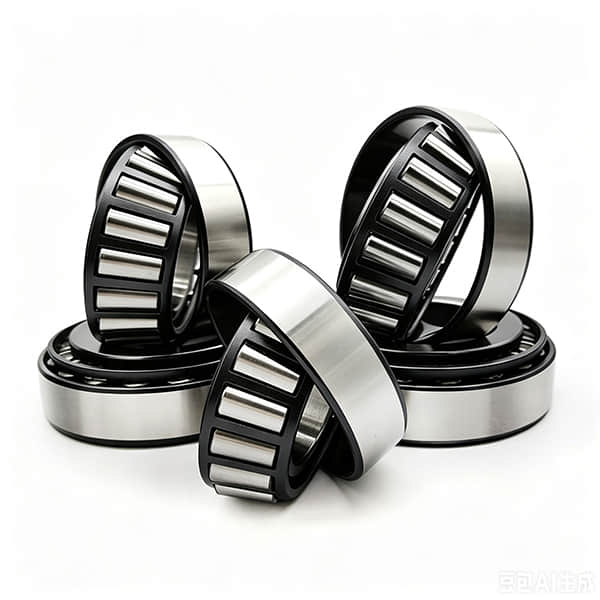
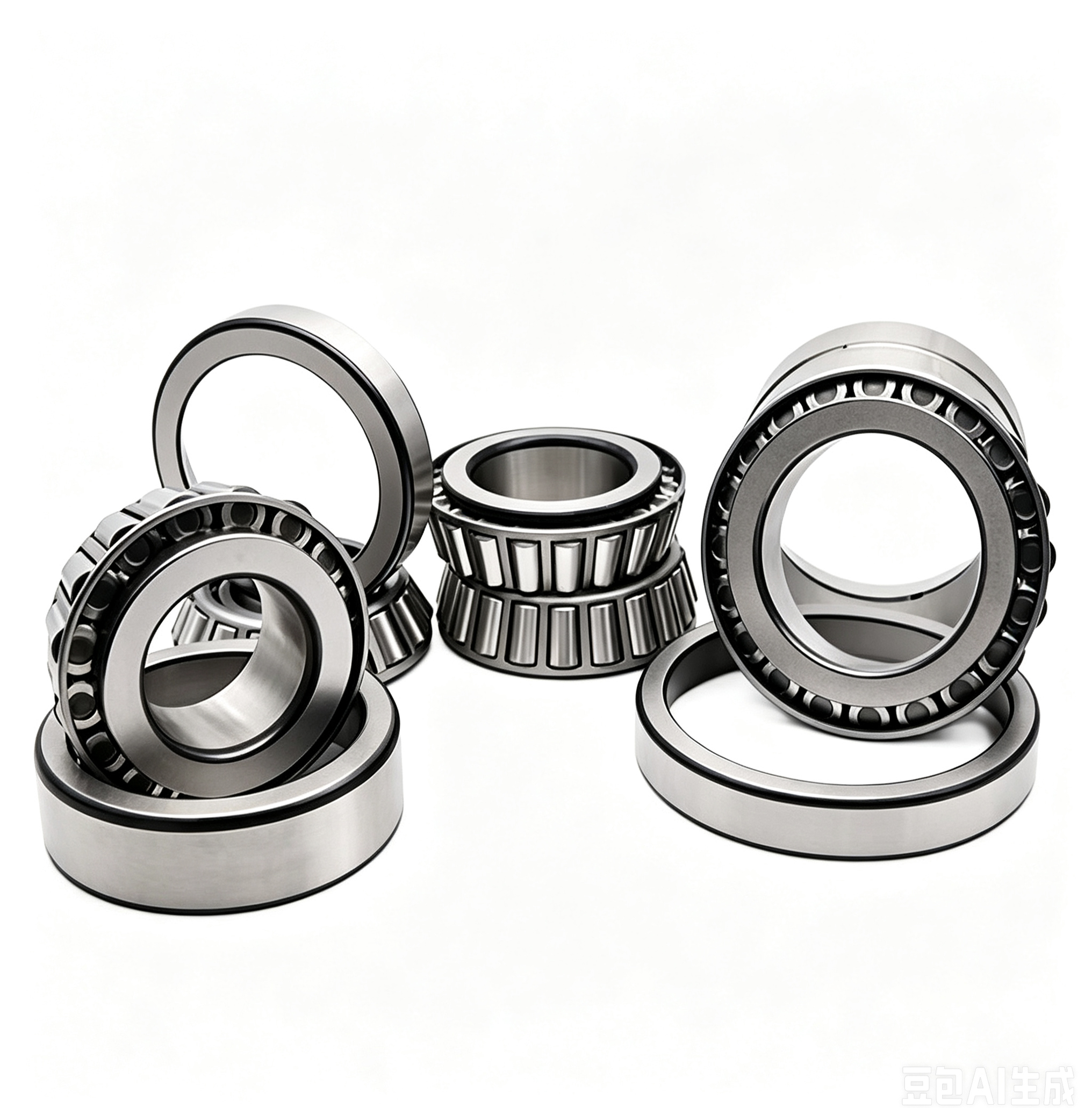
DBS Bearing supplies deep groove ball bearings, tapered roller bearings, pillow block bearings, wheel hub bearings, and other industrial bearing solutions.
We can supply bearings with different clearance and sealing configurations according to application requirements.
If you are unsure whether your application requires CN, C3, or C4 clearance, send us the bearing number, shaft size, operating temperature, speed, and application details.
Our team can help you identify a suitable bearing specification.