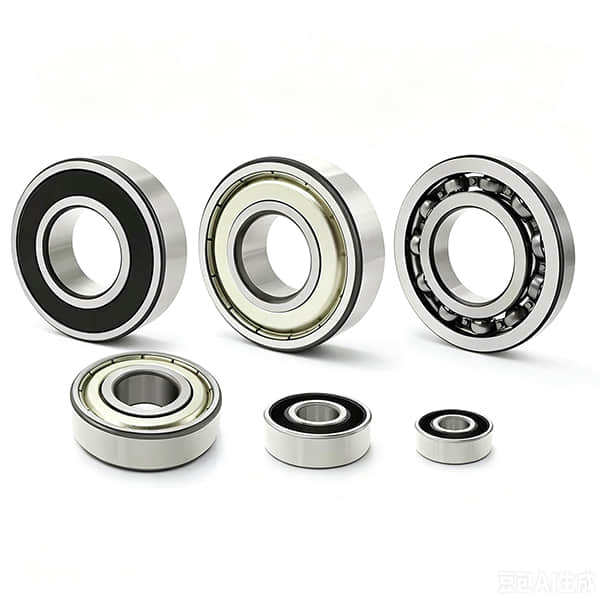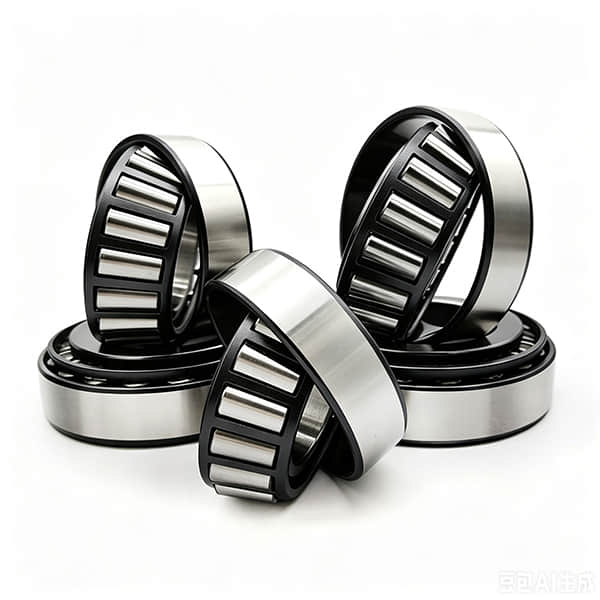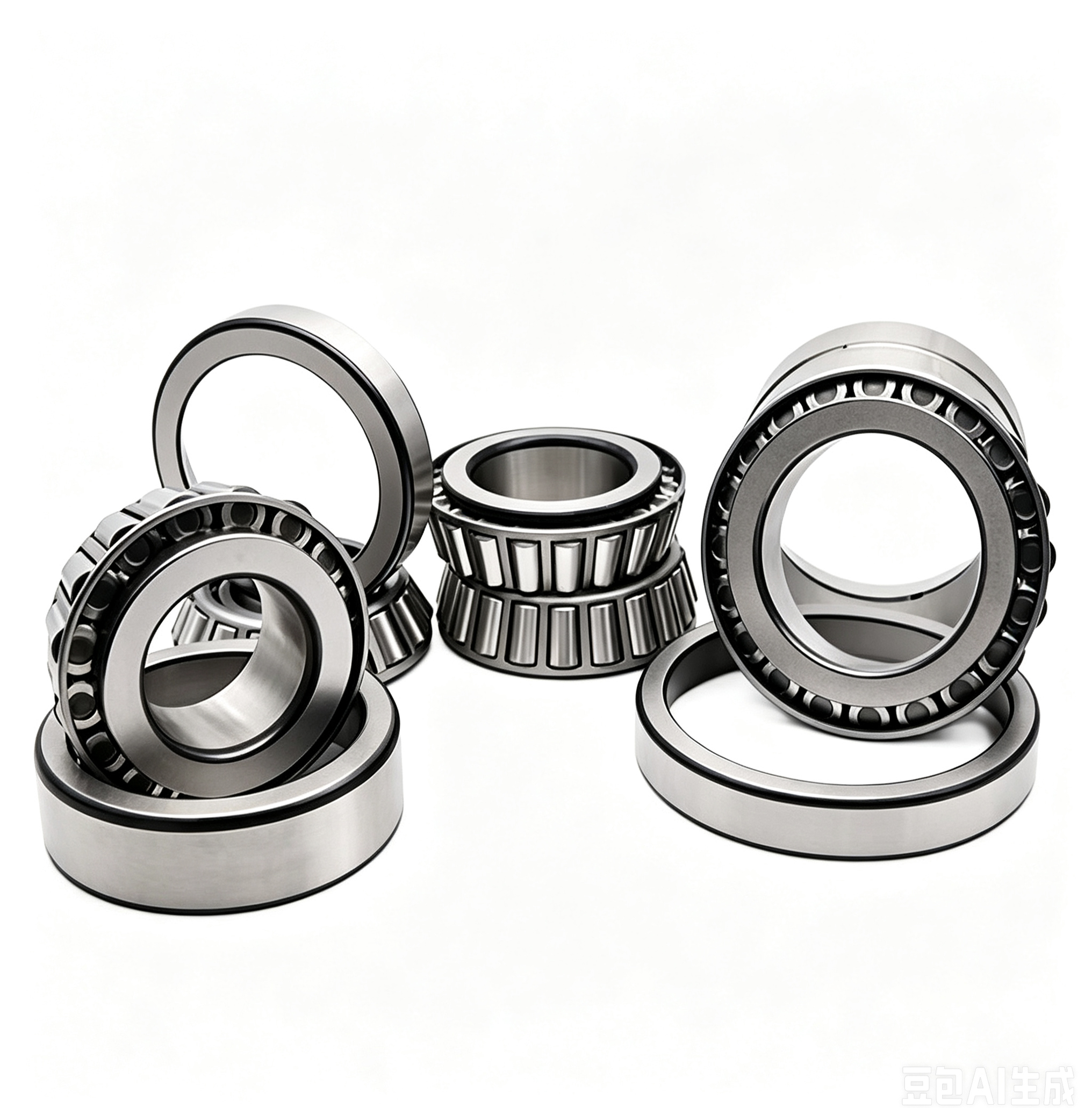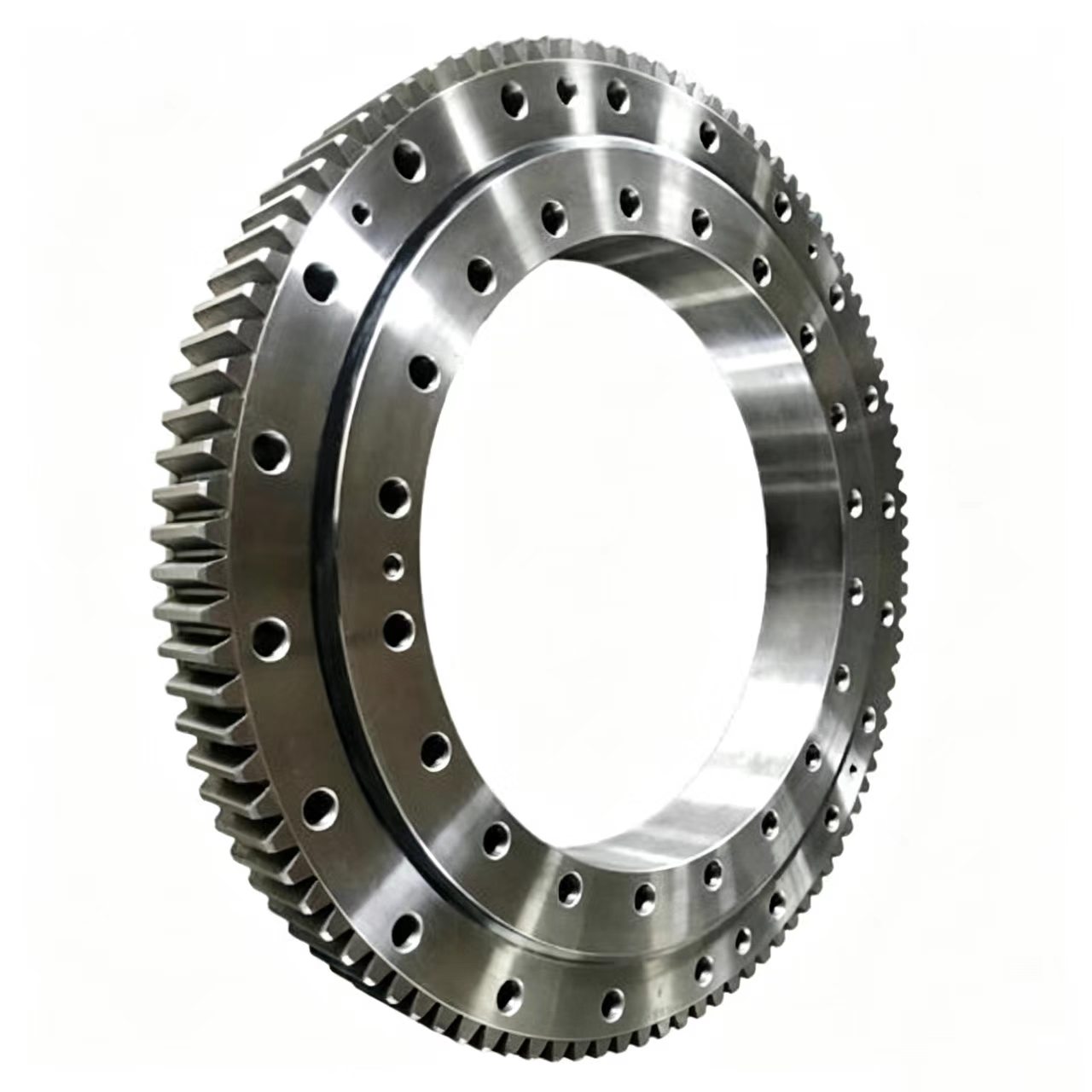
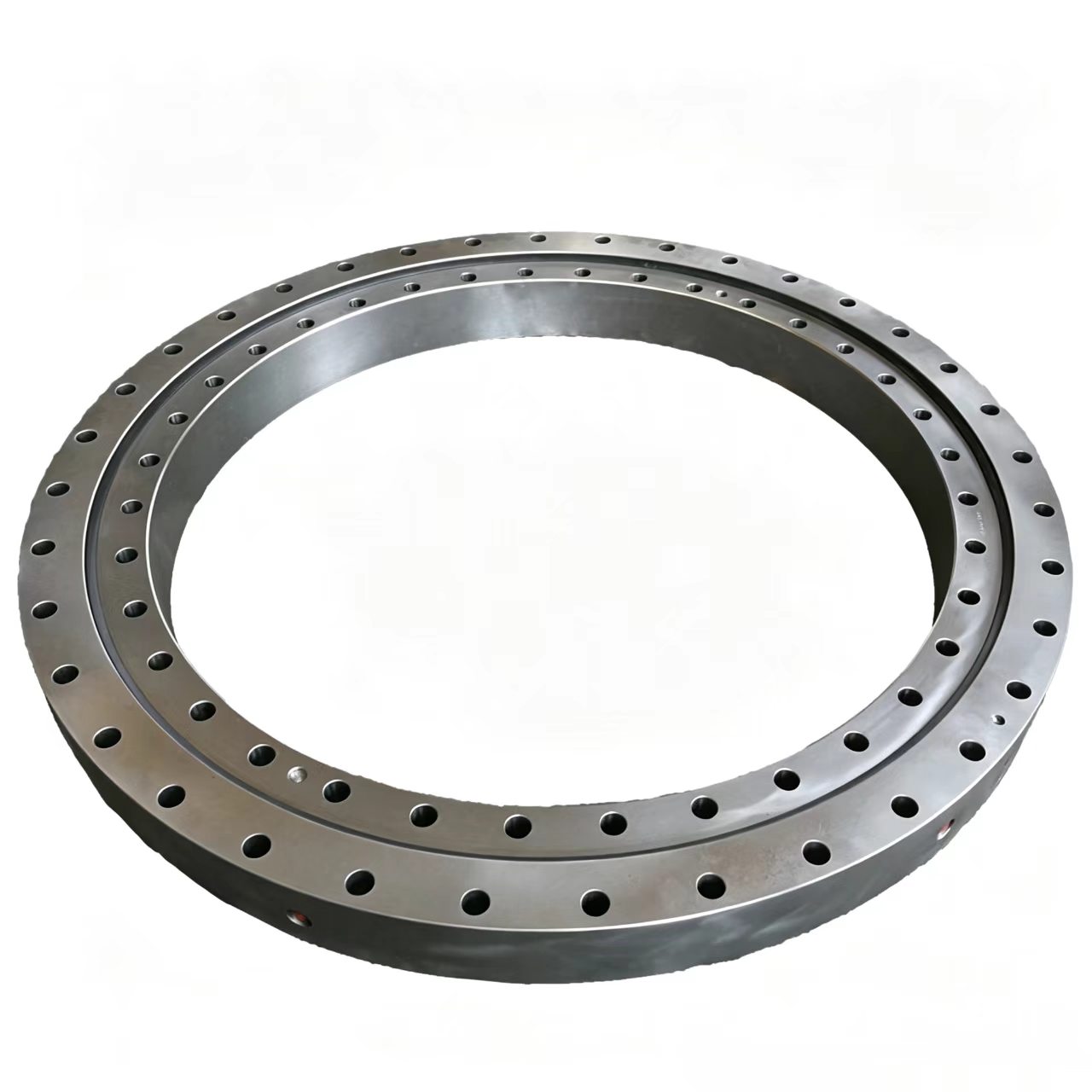
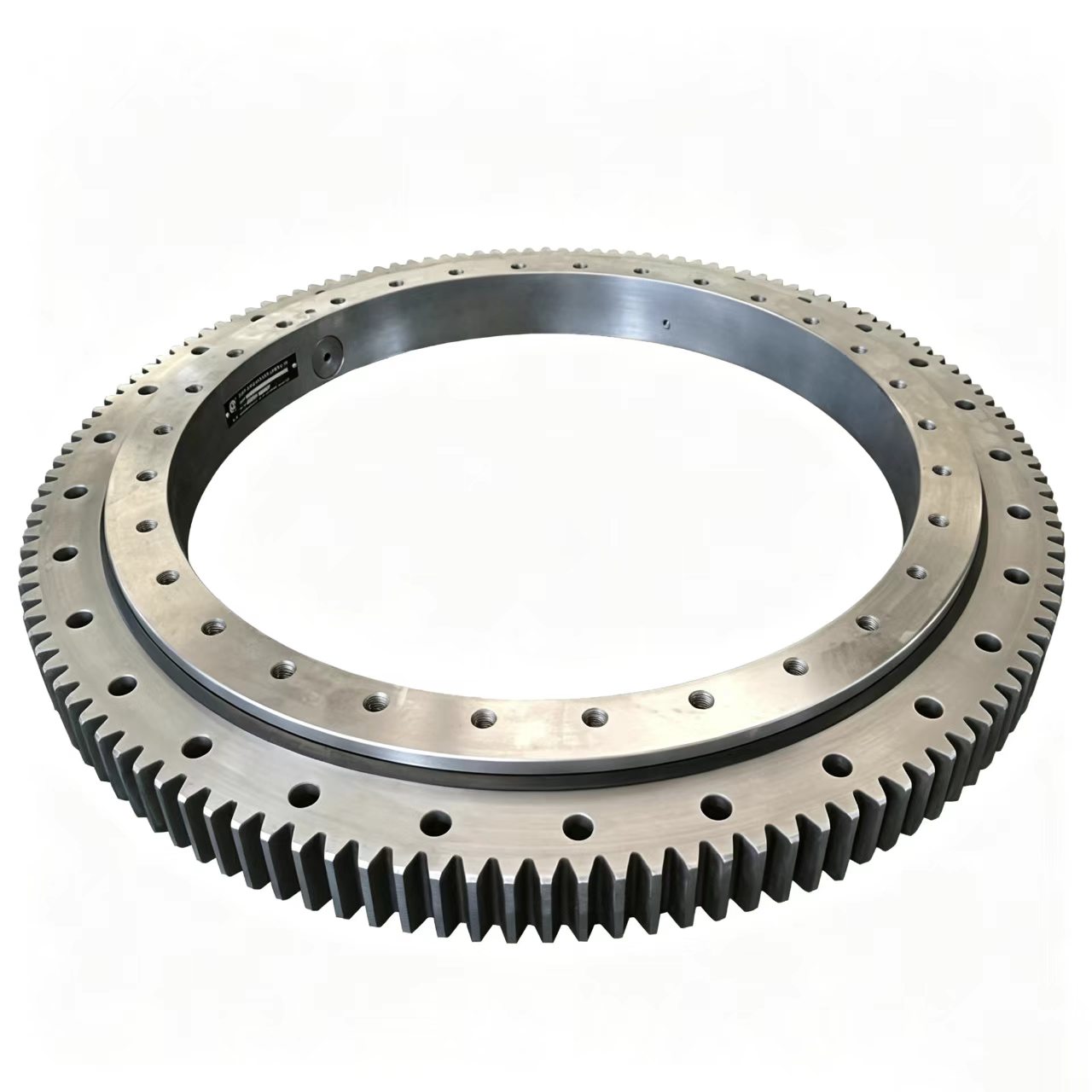
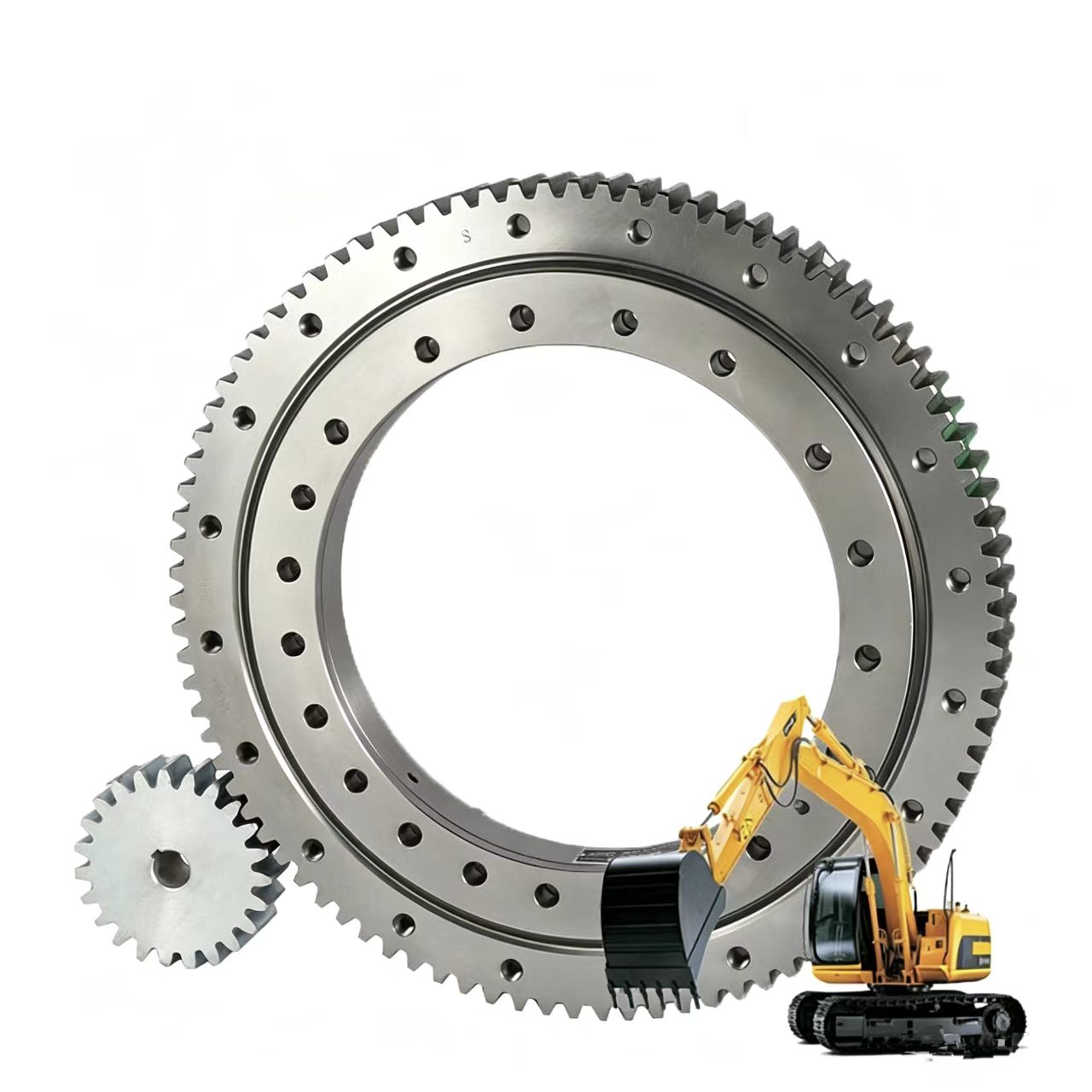
Slewing bearings, also known as slewing ring bearings or slewing rings, are large-diameter rolling bearings designed to support axial loads, radial loads and tilting moments while allowing controlled rotational movement. DBS Bearing supplies slewing bearing solutions for construction machinery, cranes, mining equipment, industrial machinery and other heavy-duty applications.
Slewing Bearings for Heavy-Duty Rotational Applications
A slewing bearing is a specialized bearing system used where a machine or structure needs to rotate around a central axis while carrying substantial loads. Unlike conventional bearings, slewing bearings are generally designed with a large diameter and mounting holes that allow the bearing to be bolted directly between two machine structures.
Depending on the application, slewing bearings can be designed with balls or rollers as rolling elements and can be supplied with internal gears, external gears or without gears. The appropriate configuration depends on the required load capacity, tilting moment, rotational speed, mounting space and operating conditions.
DBS Bearing provides slewing bearing sourcing and OEM solutions according to customer drawings, dimensions, application requirements and technical specifications.
Slewing Bearing Types
Different machine designs require different slewing bearing structures. The main types of slewing bearings include ball slewing bearings, roller slewing bearings and cross roller designs.
Single Row Ball Slewing Bearings
Single row ball slewing bearings use one row of rolling balls and are suitable for applications requiring smooth rotation, compact construction and balanced load carrying capability. They are commonly used in construction machinery, light cranes, positioning equipment and general industrial machinery.
Double Row Ball Slewing Bearings
Double row ball slewing bearings use two rows of balls to provide increased load-carrying capability compared with single-row designs. They can be considered for applications where higher axial and radial loads or greater structural support are required.
Three Row Roller Slewing Bearings
Three row roller slewing bearings use multiple roller raceways to provide high load capacity and rigidity. They are commonly considered for heavy-duty equipment operating under substantial axial loads, radial loads and overturning moments.
Cross Roller Slewing Bearings
Cross roller slewing bearings use crossed cylindrical rollers arranged alternately around the raceway. This configuration can provide high rotational accuracy and rigidity for applications where controlled movement and compact construction are important.
Slewing Bearing Applications
Slewing bearings are widely used in equipment that requires large-diameter rotational movement while supporting combined loads. The correct bearing structure depends on the machine design, load conditions and operating environment.
Excavator Slewing Bearings
Excavator slewing bearings, also called excavator swing bearings or swing circle bearings, connect the upper structure with the undercarriage and allow the upper structure to rotate. They must withstand axial loads, radial loads and overturning moments generated during excavation and lifting operations.
Crane Slewing Bearings
Crane slewing bearings support the rotating structure of cranes and allow controlled rotation under demanding load conditions. They are used in mobile cranes, tower cranes and other lifting equipment.
Construction Machinery
Slewing bearings are used in excavators, drilling machinery, construction platforms and other equipment requiring reliable large-diameter rotation.
Mining Machinery
Heavy-duty slewing bearings can be used in mining and material handling equipment where high loads, structural rigidity and reliable rotational movement are required.
Industrial Machinery
Industrial slewing bearings can be used in rotary tables, positioning systems, automated machinery, heavy-duty production equipment and other industrial applications.
Material Handling Equipment
Slewing ring bearings are suitable for material handling equipment that requires controlled rotation while supporting combined axial and radial loads.
Rotary Tables and Positioning Equipment
Precision-oriented slewing bearing configurations can be used in rotary tables and positioning systems where rotational accuracy, rigidity and smooth movement are important.
Wind, Marine and Other Heavy Equipment
Large-diameter slewing bearings can also be applied to specialized equipment in wind power, marine systems and other heavy engineering applications, subject to the required load and environmental conditions.
Slewing Bearing Load Capacity
Slewing bearing selection is different from selecting a conventional radial bearing. The bearing may need to support several types of loads simultaneously, including axial load, radial load and tilting moment.
Axial Load
Axial load acts parallel to the rotational axis of the bearing. The required axial load capacity depends on the equipment structure, operating conditions and maximum working load.
Radial Load
Radial load acts perpendicular to the rotational axis. The radial load should be evaluated together with the axial load and tilting moment rather than considered independently.
Tilting Moment
Tilting moment is particularly important for cranes, excavators and other machines where the working load is positioned away from the bearing center. The bearing must provide sufficient resistance to the overturning moment generated by the machine.
For this reason, selecting a slewing bearing based only on its outside diameter or bore diameter may result in an unsuitable solution. Application load, mounting arrangement, rotational speed and operating conditions should all be evaluated.
How to Select a Slewing Bearing
Choosing the correct slewing bearing requires more information than simply matching the bearing diameter. The following factors should be considered before selecting or replacing a slewing ring bearing.
Application: Identify the machine and the function of the slewing bearing.
Bearing Dimensions: Confirm the required bore diameter, outside diameter and bearing height.
Axial Load: Determine the maximum axial load acting on the bearing.
Radial Load: Determine the radial forces generated during operation.
Tilting Moment: Calculate the maximum overturning moment where applicable.
Rotation Speed: Consider the normal and maximum rotational speed.
Gear Configuration: Specify internal gear, external gear or gearless construction.
Mounting Arrangement: Confirm mounting hole quantity, diameter, pitch circle and connection requirements.
Operating Environment: Consider temperature, dust, water, vibration, shock loads and other environmental conditions.
Lubrication: Select a suitable lubrication arrangement according to the application.
Sealing: Sealing requirements should be considered when the bearing operates in dusty, wet or contaminated environments.
Service Life: Required operating life and maintenance conditions should be included in the bearing selection process.
Custom Slewing Bearing Solutions
Not every machine uses a standard slewing bearing. For OEM equipment manufacturers, replacement applications and special machinery, the bearing may need to be manufactured or sourced according to specific dimensions and technical requirements.
DBS Bearing can assist customers with slewing bearing sourcing and OEM solutions based on drawings, existing bearing samples, dimensions and application information.
Custom outside diameter and bore dimensions
Custom bearing height
Internal gear configuration
External gear configuration
Gearless configuration
Custom mounting hole arrangements
Application-specific sealing requirements
Lubrication requirements
OEM production and private labeling
Custom packaging for distributors and equipment manufacturers
If you do not know the exact slewing bearing model, you can provide the existing bearing dimensions, equipment model, drawing, photographs or application details. Our team can use this information to help identify a suitable bearing solution.
Slewing Bearing Quality and Inspection
Because slewing bearings are critical structural components, dimensional accuracy, raceway condition, gear quality, sealing and assembly quality are important factors in reliable operation.
Depending on the bearing design and application, inspection requirements may include dimensional inspection, raceway inspection, gear inspection, assembly checks, rotation checks and final product inspection before shipment.
For OEM and replacement projects, inspection requirements can be discussed according to the customer's drawings, specifications and application requirements.
Slewing Bearing vs. Slewing Ring
The terms slewing bearing, slewing ring and slewing ring bearing are commonly used to describe large-diameter bearing assemblies designed to support rotational movement and combined loads.
In practical purchasing applications, the terminology may vary between manufacturers and industries. The most important factors are the actual dimensions, bearing structure, load requirements, gear configuration, mounting arrangement and operating conditions.
Slewing Bearing Maintenance
Proper maintenance can help maintain the operating performance and service life of a slewing bearing. Maintenance requirements depend on the bearing design, machine application and operating environment.
Regular Lubrication
Proper lubrication helps reduce friction and wear between the rolling elements and raceways. The recommended grease type, quantity and relubrication interval should follow the bearing manufacturer's requirements and the equipment operating conditions.
Check Seals and Mounting
Seals should be checked regularly for damage or contamination. Mounting bolts and connection surfaces should also be inspected according to the equipment manufacturer's maintenance procedure.
Monitor Operating Condition
Unusual noise, vibration, increased backlash, abnormal temperature or irregular rotation may indicate that the slewing bearing requires inspection or maintenance.
Frequently Asked Questions About Slewing Bearings
What is a slewing bearing?
A slewing bearing is a large-diameter bearing designed to support axial loads, radial loads and tilting moments while allowing rotational movement between connected machine structures.
What is a slewing ring?
A slewing ring is another commonly used term for a large-diameter rotational bearing assembly. Slewing ring, slewing bearing and slewing ring bearing are often used interchangeably depending on the industry.
What types of slewing bearings are available?
Common configurations include single row ball slewing bearings, double row ball slewing bearings, three row roller slewing bearings and cross roller slewing bearings. The appropriate type depends on the application and load requirements.
What is an internal gear slewing bearing?
An internal gear slewing bearing has gear teeth machined on the inner ring and is designed to work with a compatible drive pinion or slewing drive system.
What is an external gear slewing bearing?
An external gear slewing bearing has gear teeth on the outside of the bearing ring. The external gear engages with the machine's drive mechanism.
Can slewing bearings be used in excavators?
Yes. Excavator slewing bearings, also known as swing bearings or swing circle bearings, are used to connect the upper structure and undercarriage and allow the excavator upper structure to rotate.
Can slewing bearings be used in cranes?
Yes. Crane slewing bearings are used in various crane systems to support the rotating structure and withstand combined loads and overturning moments.
How do I choose the correct slewing bearing?
Selection should consider bearing dimensions, axial load, radial load, tilting moment, rotational speed, mounting arrangement, gear configuration, operating environment, lubrication and required service life.
Can DBS Bearing supply custom slewing bearings?
DBS Bearing can assist with OEM and custom slewing bearing solutions based on customer drawings, dimensions, samples and application requirements.
What information is needed for a slewing bearing quotation?
Useful information includes the bearing dimensions, mounting hole arrangement, gear configuration, equipment application, axial load, radial load, tilting moment, rotational speed and required quantity. A drawing or existing bearing sample can also be helpful.
Do slewing bearings require lubrication?
Most rolling-element slewing bearings require appropriate lubrication. The lubricant type, quantity and maintenance interval depend on the bearing design and operating conditions.
How long does a slewing bearing last?
Service life depends on load, operating speed, lubrication, installation, contamination, maintenance and other application conditions. A specific service-life estimate should be based on the actual operating parameters rather than a general number.
Need a Slewing Bearing for Your Equipment?
Whether you need an excavator slewing bearing, crane slewing bearing, industrial slewing ring or a custom OEM solution, send us your requirements. Our team can help identify a suitable slewing bearing according to your dimensions, application and operating conditions.
You can send us a drawing, bearing dimensions, equipment model, existing bearing photos or technical specifications for evaluation.
Get a Quote