Welcome to Linqing Xinshengdi Bearing Co., Ltd.


Why Bearings Fail Prematurely: 10 Common Causes and How to Prevent Them
Bearings are designed to operate reliably for thousands of hours. However, many bearings fail much earlier than expected—not because of manufacturing defects, but due to incorrect installation, poor maintenance, or unsuitable operating conditions.
Understanding the most common causes of premature bearing failure can help reduce downtime, lower maintenance costs, and improve equipment reliability.
1. Insufficient Lubrication
One of the leading causes of bearing failure is inadequate lubrication. Without enough grease or oil, friction increases rapidly, generating excessive heat and accelerating wear.
Prevention: Follow the recommended lubrication schedule and use the correct lubricant for the application.
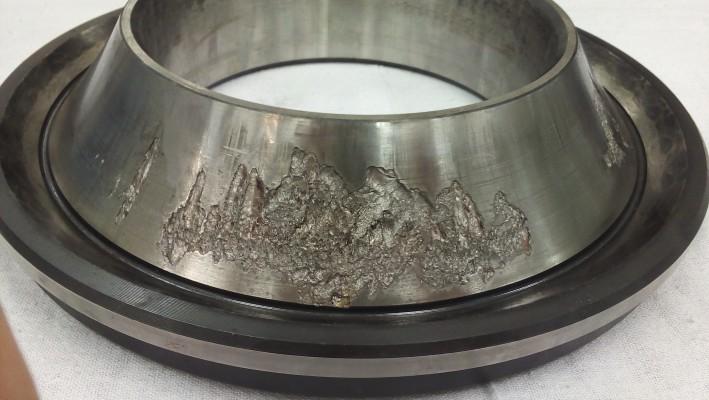
2. Contamination
Dust, dirt, moisture, and metal particles can enter the bearing and damage the rolling elements and raceways.
Prevention: Use appropriate seals and keep the operating environment as clean as possible.
3. Incorrect Installation
Improper mounting methods, such as hammering directly on the bearing, can create internal damage before the machine even starts operating.
Prevention: Use the correct installation tools and apply force only to the appropriate bearing ring.
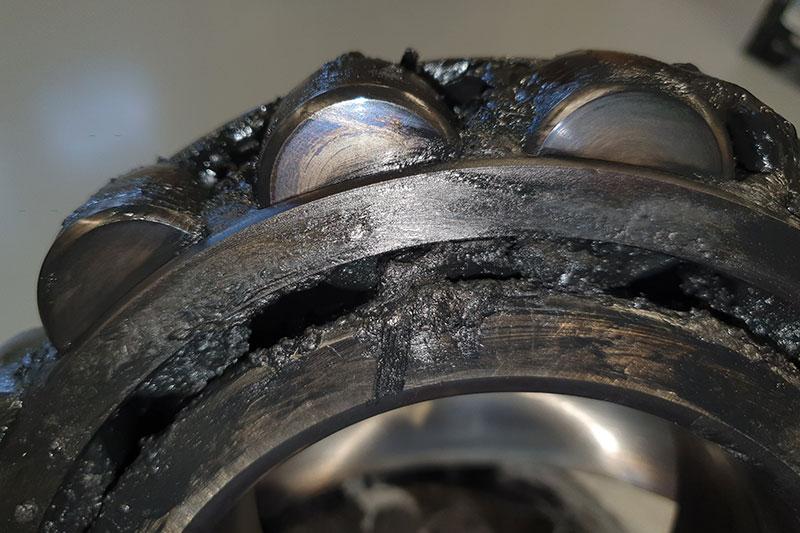
4. Misalignment
When the shaft and housing are not properly aligned, uneven loads are placed on the bearing, reducing its service life.
Prevention: Check shaft alignment during installation and maintenance.
5. Overloading
Bearings that operate beyond their rated load capacity experience excessive stress, leading to early fatigue and failure.
Prevention: Select bearings with appropriate dynamic and static load ratings.
6. Incorrect Bearing Selection
Choosing the wrong bearing type or clearance for the application can cause overheating, vibration, and premature wear.
Prevention: Match the bearing design to the operating speed, load, and environment.
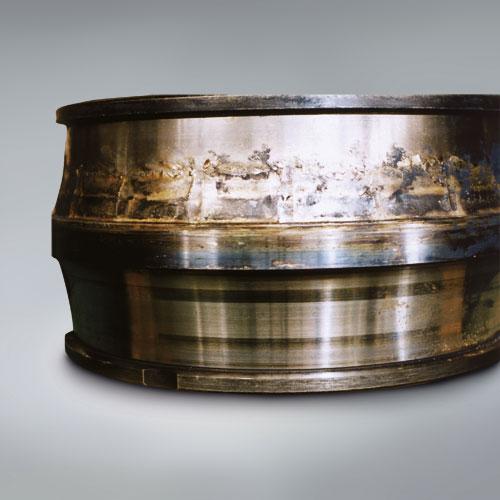
7. Corrosion
Exposure to water, chemicals, or humid environments can corrode bearing surfaces and reduce performance.
Prevention: Choose corrosion-resistant bearings or improve sealing and storage conditions.
8. Excessive Temperature
High operating temperatures reduce lubricant effectiveness and accelerate material fatigue.
Prevention: Monitor operating temperatures and improve cooling or lubrication when necessary.
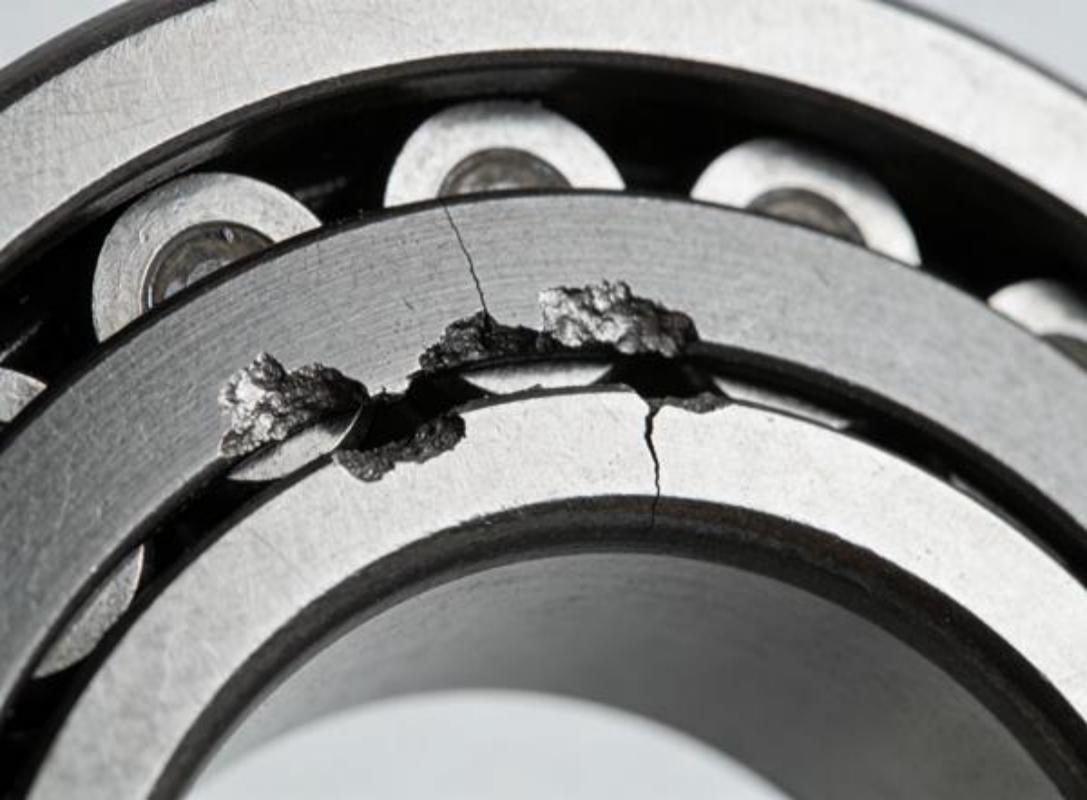
9. Electrical Damage
Electric current passing through a bearing may create pitting or fluting on the raceways, especially in electric motors.
Prevention: Use insulated bearings or grounding devices where required.
10. Poor Maintenance Practices
Ignoring regular inspections often allows minor issues to develop into major failures.
Prevention: Establish a preventive maintenance program that includes inspection, lubrication, and vibration monitoring.
Conclusion
Most bearing failures are preventable. Correct bearing selection, proper installation, effective lubrication, and routine maintenance can significantly extend bearing life and reduce equipment downtime.
Why Choose DBS Bearing?
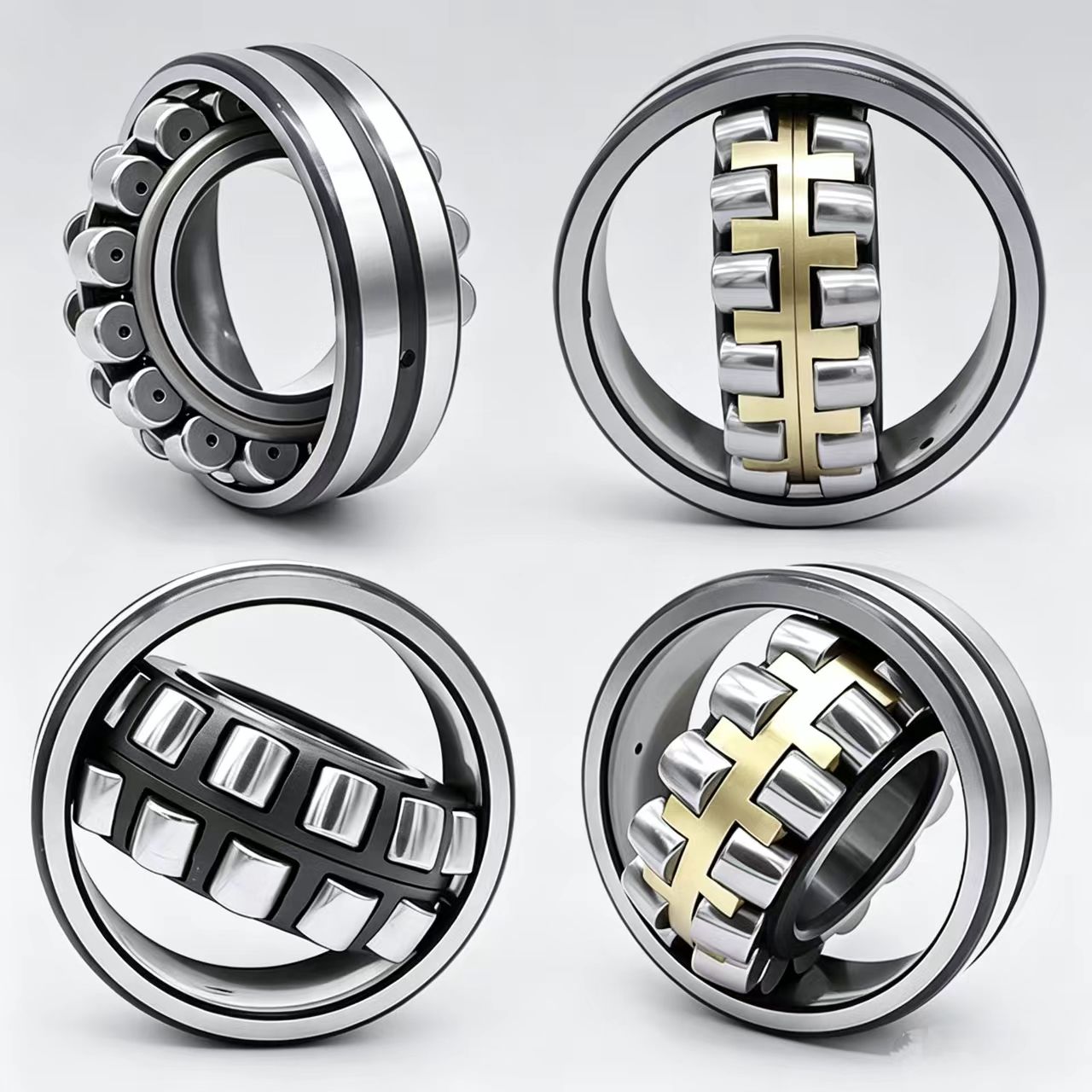
DBS Bearing manufactures high-quality tapered roller bearings, deep groove ball bearings, pillow block bearings, wheel hub bearings, and spherical roller bearings for industrial and automotive applications.
With strict quality control, OEM manufacturing services, and professional technical support, DBS Bearing helps customers improve equipment reliability and reduce maintenance costs worldwide.