Welcome to Linqing Xinshengdi Bearing Co., Ltd.


Bearing Seals Explained: Open, Shielded, and Sealed Bearings
Choosing the correct bearing seal is just as important as selecting the right bearing type. The sealing design affects lubrication retention, contamination resistance, maintenance requirements, and overall bearing service life.
This guide explains the differences between open, shielded, and sealed bearings to help buyers choose the best option for their applications.
https://www.dbsbearing.com/product/
Why Bearing Seals Matter
Bearing seals protect the rolling elements and raceways from dust, moisture, and other contaminants while keeping lubricant inside the bearing.
Selecting the wrong sealing type can lead to premature bearing failure, increased maintenance costs, and reduced equipment reliability.
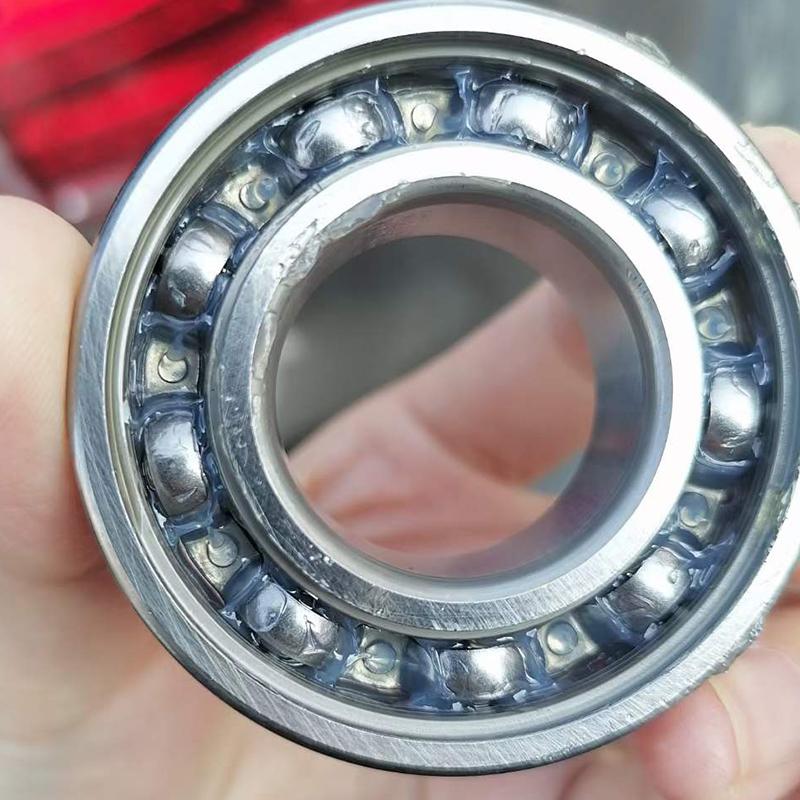
Open Bearings
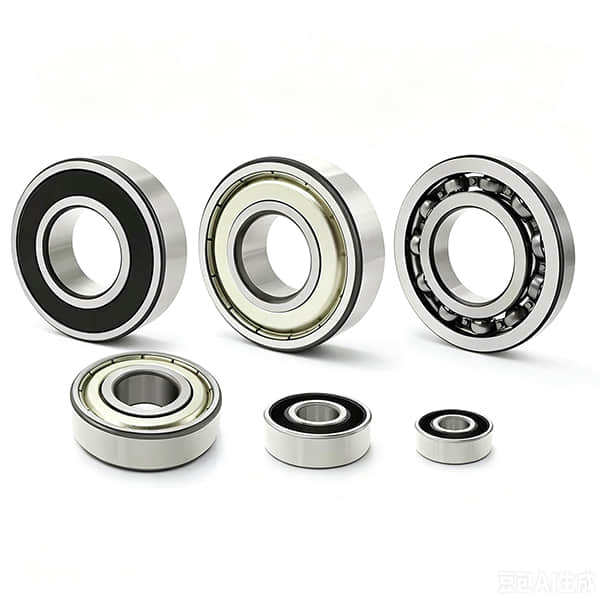
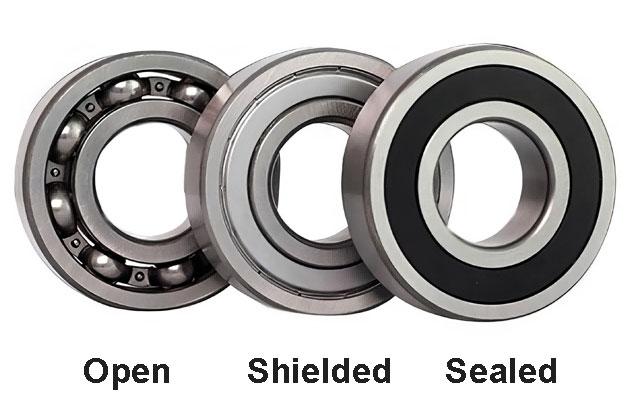
Open bearings have no shields or seals on either side.
Advantages
Lowest friction
Highest operating speed
Easy to relubricate
Suitable for oil lubrication systems
Limitations
No protection against dust or water
Require regular maintenance
Best used in clean operating environments
Typical Applications
Machine tools
Industrial gearboxes
High-speed equipment
Precision machinery
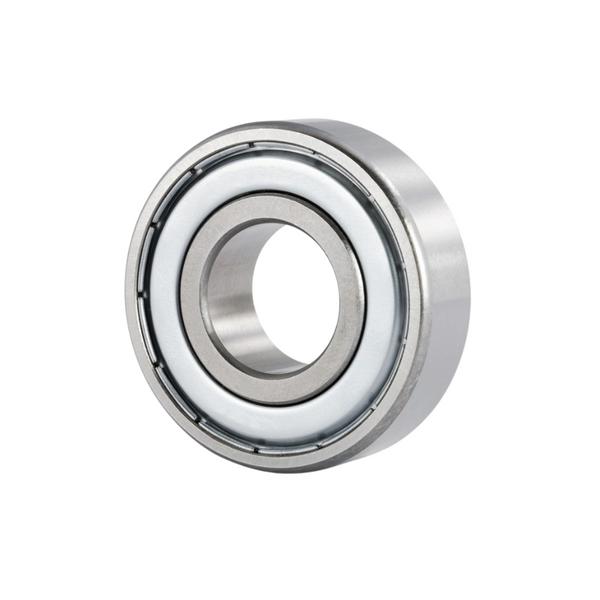
Shielded Bearings (ZZ)
Shielded bearings are fitted with thin metal shields on one or both sides.
The shields help retain grease while preventing larger particles from entering the bearing.
Advantages
Low maintenance
Better protection than open bearings
High-speed capability
Lower friction than rubber seals
Limitations
Not waterproof
Limited protection against fine dust
Typical Applications
Electric motors
Fans
Pumps
Household appliances
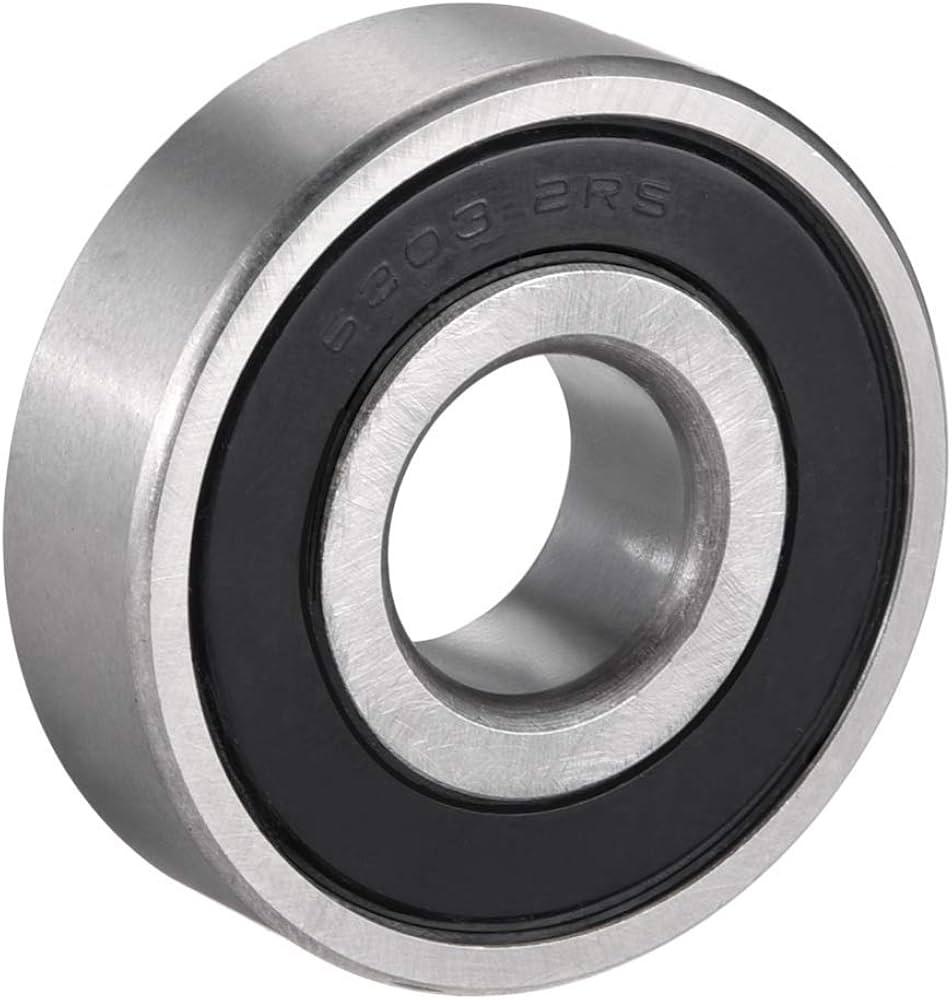
Sealed Bearings (2RS)
Sealed bearings use rubber seals that make contact with the inner ring to provide superior protection.
Advantages
Excellent protection against dust and moisture
Factory-filled grease
Minimal maintenance
Longer service life in harsh environments
Limitations
Slightly higher friction
Lower maximum speed than shielded bearings
Typical Applications
Agricultural machinery
Automotive systems
Conveyor equipment
Construction machinery
Outdoor industrial equipment
Open vs Shielded vs Sealed Bearings
| Feature | Open | Shielded (ZZ) | Sealed (2RS) |
|---|---|---|---|
| Dust Protection | Low | Medium | Excellent |
| Water Resistance | None | Limited | Excellent |
| Speed Capability | Excellent | Very Good | Good |
| Maintenance | Frequent | Low | Very Low |
| Lubrication | External | Factory Grease | Factory Grease |
How to Choose the Right Bearing Seal
Consider the following factors before making your selection:
Operating environment
Dust and moisture exposure
Rotational speed
Lubrication method
Maintenance schedule
Choosing the correct seal type improves bearing performance and reduces long-term operating costs.
Why Choose DBS Bearing?
DBS Bearing manufactures a wide range of deep groove ball bearings, tapered roller bearings, pillow block bearings, and industrial bearing solutions.
We offer bearings with open, ZZ shielded, and 2RS sealed designs to meet the requirements of automotive, industrial, agricultural, and machinery applications.
Contact DBS Bearing today for professional bearing recommendations and OEM solutions.