Welcome to Linqing Xinshengdi Bearing Co., Ltd.


Bearing Clearance Explained: Why It Matters and How to Choose the Right One
Bearing clearance is one of the most important factors affecting bearing performance, service life, and operating reliability. Selecting the correct internal clearance helps reduce friction, control operating temperature, and improve the overall efficiency of rotating equipment.
Whether you are an equipment manufacturer, distributor, or maintenance engineer, understanding bearing clearance is essential for choosing the right bearing.
https://www.dbsbearing.com/product/tapered-roller-bearings/
What Is Bearing Clearance?
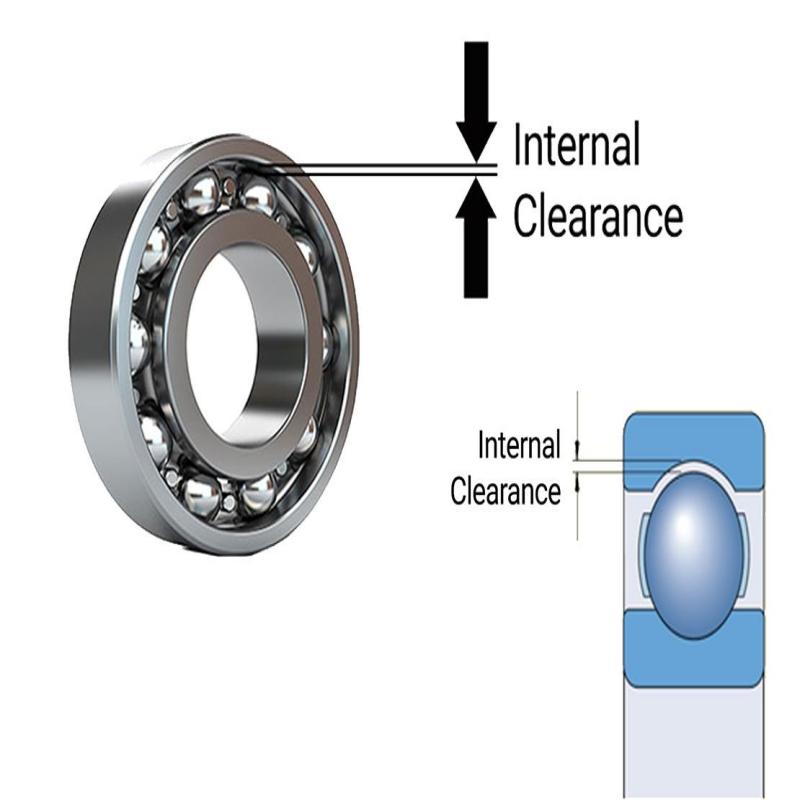
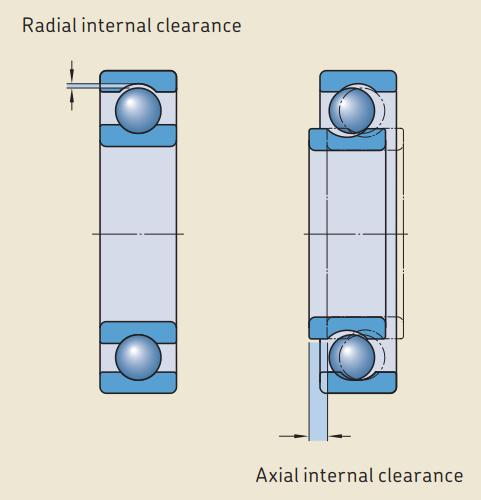
Bearing clearance refers to the total distance that one bearing ring can move relative to the other before installation.
There are two main types of bearing clearance:
Radial clearance – Movement perpendicular to the shaft.
Axial clearance – Movement parallel to the shaft.
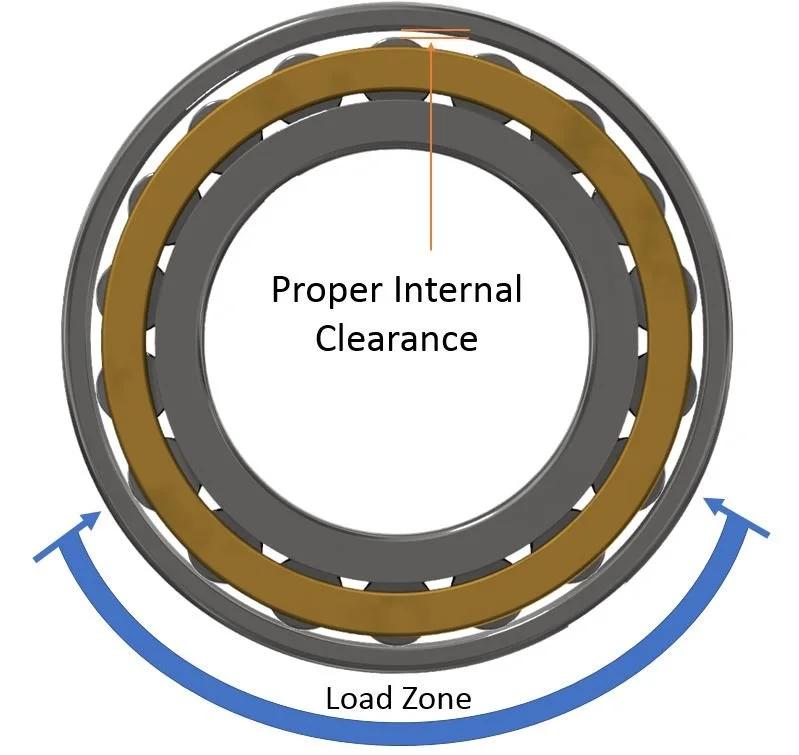
The correct internal clearance allows the bearing to operate smoothly after mounting and during temperature changes.、
Common Bearing Clearance Classes
Bearing manufacturers commonly provide several clearance classes:
C2 – Smaller than normal clearance, suitable for high-precision applications.
CN (Normal) – Standard clearance used in most industrial equipment.
C3 – Greater-than-normal clearance, ideal for higher temperatures or heavier loads.
C4 – Large clearance for demanding industrial conditions.
C5 – Extra-large clearance for special high-temperature or high-speed applications.
Choosing the correct clearance depends on the operating conditions rather than selecting the largest clearance available.
https://www.dbsbearing.com/product/SphericalRollerBearing/
Why Bearing Clearance Is Important
Proper bearing clearance helps to:
Reduce friction and heat generation
Improve bearing service life
Minimize vibration and noise
Maintain lubrication performance
Increase equipment reliability
Incorrect clearance can lead to premature bearing failure and unnecessary maintenance costs.
How to Choose the Right Bearing Clearance
https://www.dbsbearing.com/product/wheel-hub-bearings/
When selecting bearing clearance, consider the following factors:
Operating Temperature
Higher temperatures cause bearing components to expand, reducing internal clearance.
Shaft and Housing Fits
Tight interference fits also reduce the effective operating clearance after installation.
Rotational Speed
High-speed applications often require careful clearance selection to prevent overheating.
Load Conditions
Heavy radial or axial loads may require different clearance classes depending on the application.
Working Environment
https://www.dbsbearing.com/product/zf-transmissions-bearings/
Dust, moisture, and continuous operation should also be considered during bearing selection.
Common Mistakes
Many buyers believe that C3 clearance is always better than normal clearance.
In reality, selecting excessive clearance for standard operating conditions may increase vibration, reduce accuracy, and shorten bearing life.
The best choice depends on the actual application requirements.
Why Choose DBS Bearing?
https://www.dbsbearing.com/product/automotive-bearings/
DBS Bearing supplies high-quality tapered roller bearings, deep groove ball bearings, pillow block bearings, and industrial bearing solutions.
Our engineering team can recommend the appropriate bearing clearance based on your equipment, operating environment, and performance requirements.
Contact DBS Bearing today for technical support and OEM bearing solutions.