Welcome to Linqing Xinshengdi Bearing Co., Ltd.


How to Choose the Right Bearing Size: A Complete Selection Guide
Selecting the correct bearing size is one of the most important steps in designing or maintaining mechanical equipment. A bearing that is too small may fail prematurely, while an oversized bearing can increase costs and reduce efficiency.
Understanding bearing dimensions, load requirements, and operating conditions helps engineers and buyers choose the most suitable bearing for their applications.
Why Bearing Size Selection Matters
The correct bearing size directly affects:
Service life
Load capacity
Equipment reliability
Operating temperature
Maintenance frequency
Choosing the wrong size may result in excessive vibration, overheating, noise, or unexpected equipment downtime.
Understanding Bearing Dimensions
A bearing size is mainly determined by three basic dimensions:
1. Bore Diameter (d)
The bore diameter is the inner diameter of the bearing and determines the shaft size.
For example:
6205 bearing → 25 mm bore
6208 bearing → 40 mm bore
The shaft diameter must match the bearing bore to ensure proper installation.
2. Outer Diameter (D)
The outer diameter determines how the bearing fits into the housing or equipment structure.
A larger outer diameter generally allows higher load capacity.
3. Width (B)
The width represents the thickness of the bearing.
Wider bearings usually provide better load support but require more installation space.
Factors to Consider When Choosing Bearing Size
Load Requirements
Determine the loads acting on the bearing:
Radial load
Axial load
Combined load
Shock load
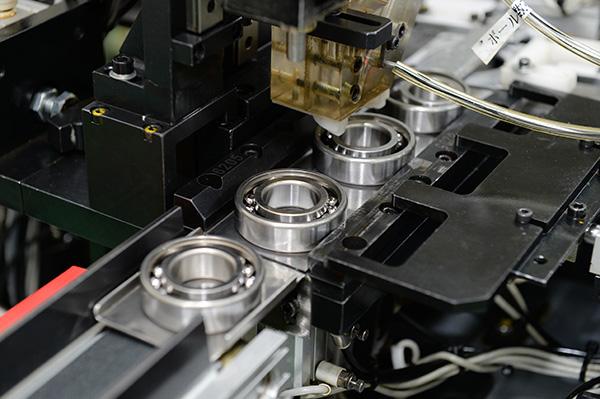
Heavy-duty applications may require larger bearings or roller bearing designs.
Operating Speed
High-speed applications require careful consideration of bearing size, clearance, and lubrication.
Smaller bearings are often preferred for high-speed equipment because they generate less friction.
Installation Space
Available space is an important limitation.
The selected bearing must fit within:
Shaft diameter
Housing dimensions
Equipment structure
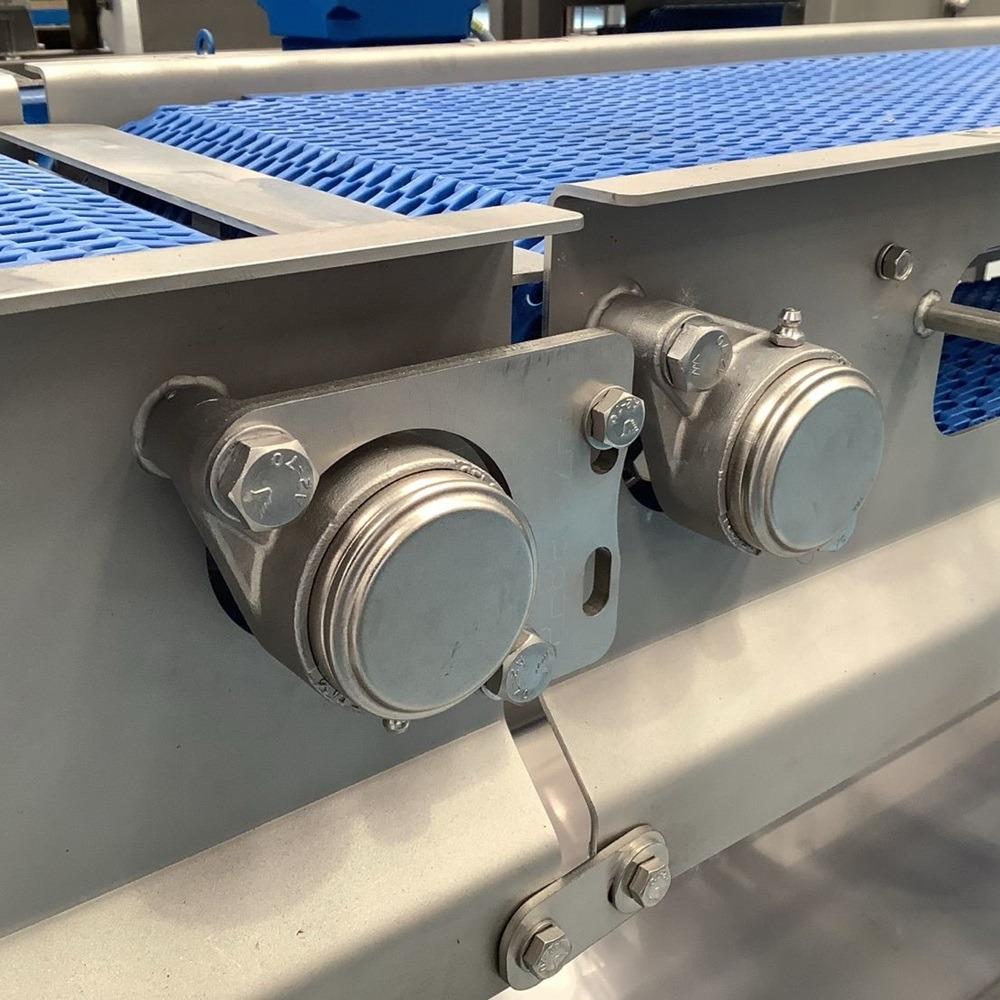
Operating Environment
Consider:
Temperature
Dust
Moisture
Chemicals
Vibration
Harsh environments may require sealed bearings or special designs.
Common Bearing Size Selection Mistakes
Many buyers focus only on matching the shaft diameter.
However, correct selection also requires checking:
Load rating
Speed rating
Clearance
Sealing requirements
Lubrication conditions
A bearing with the correct size but unsuitable specifications may still fail.
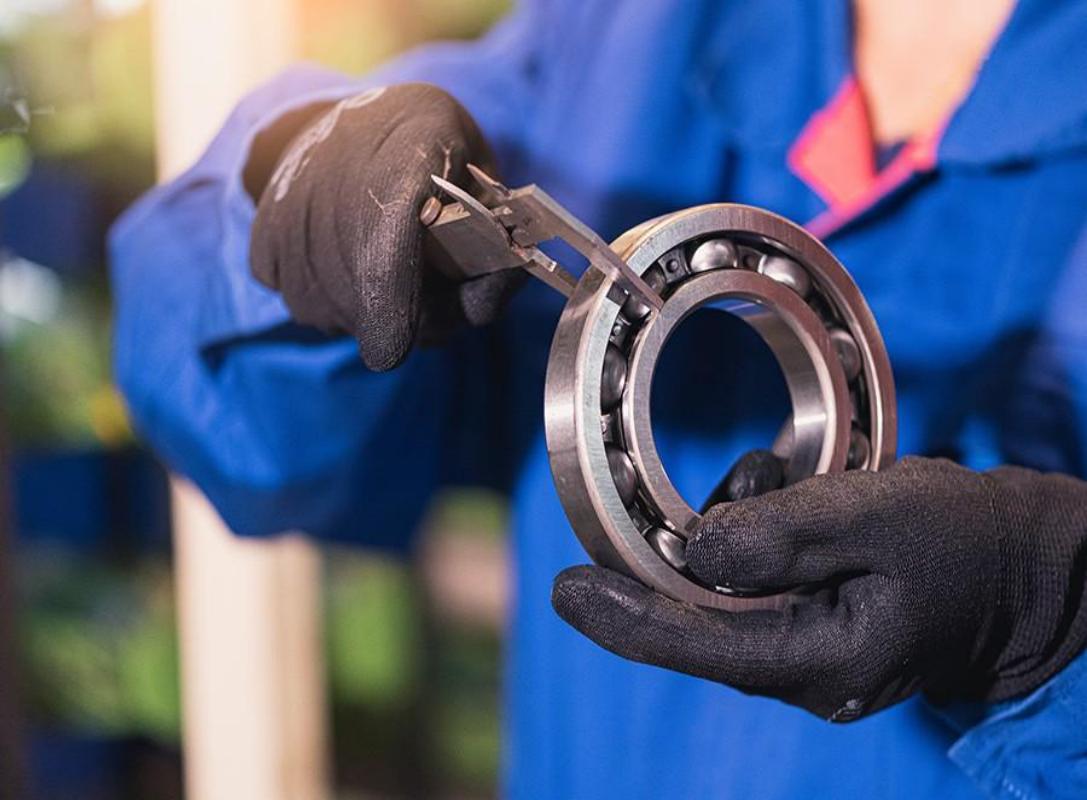
How to Find the Correct Replacement Bearing
When replacing an existing bearing, check:
Original bearing number
Inner diameter
Outer diameter
Width
Application requirements
If the original marking is unavailable, accurate measurement and professional supplier support are recommended.
Why Choose DBS Bearing?
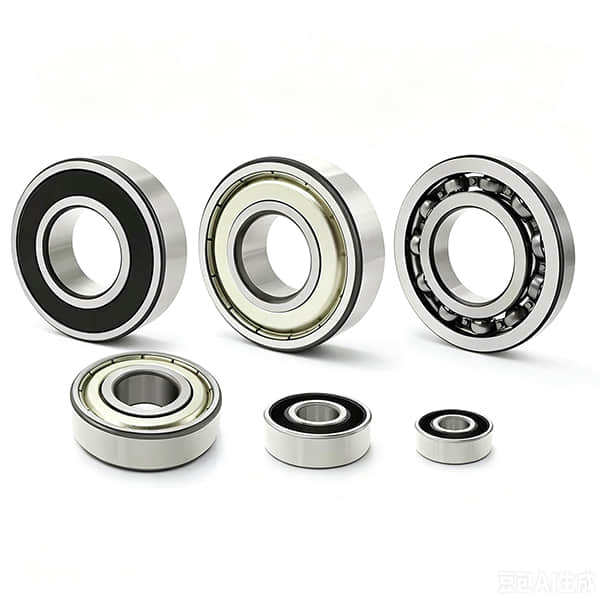
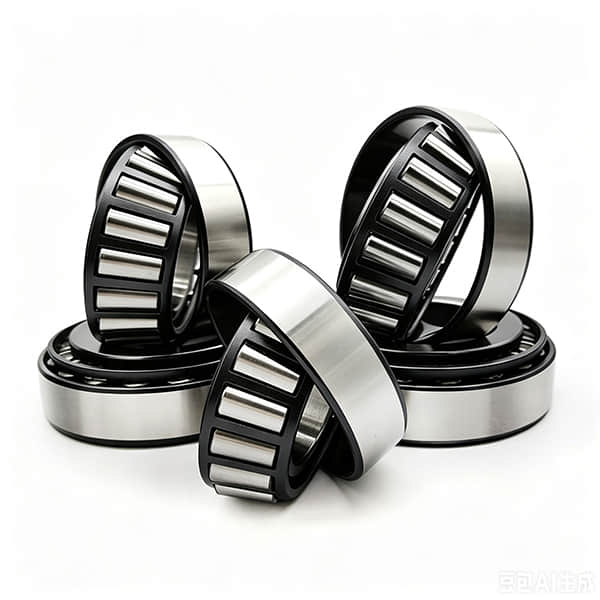
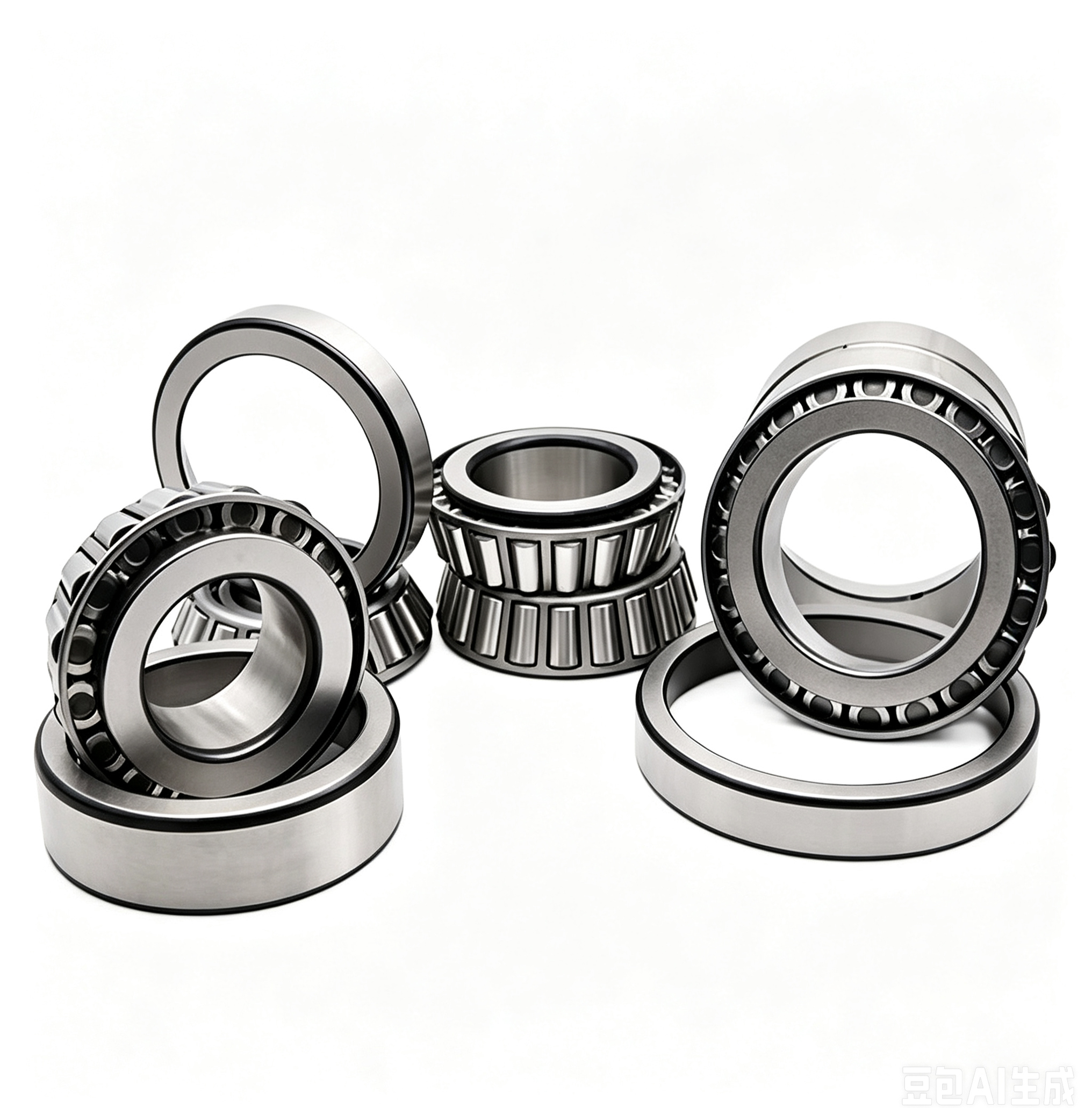
DBS Bearing provides a wide range of bearing solutions, including tapered roller bearings, deep groove ball bearings, wheel hub bearings, pillow block bearings, and industrial bearing products.
With professional technical support, OEM manufacturing capability, and strict quality control, DBS Bearing helps global customers select reliable bearings for different applications.
Contact DBS Bearing today for bearing selection assistance and competitive quotations.