Welcome to Linqing Xinshengdi Bearing Co., Ltd.


How Long Do Wheel Bearings Last? Signs of Failure and Replacement Tips
How Long Do Wheel Bearings Last? Signs of Failure and Replacement Tips
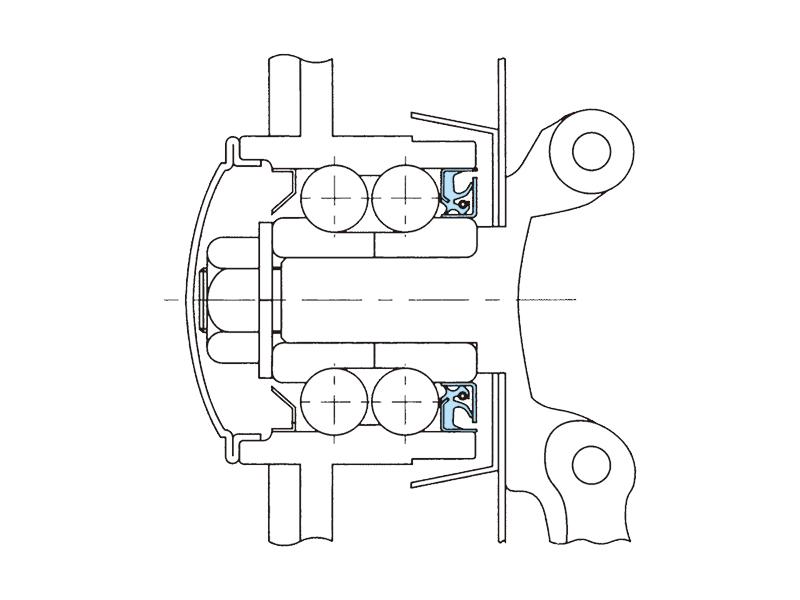
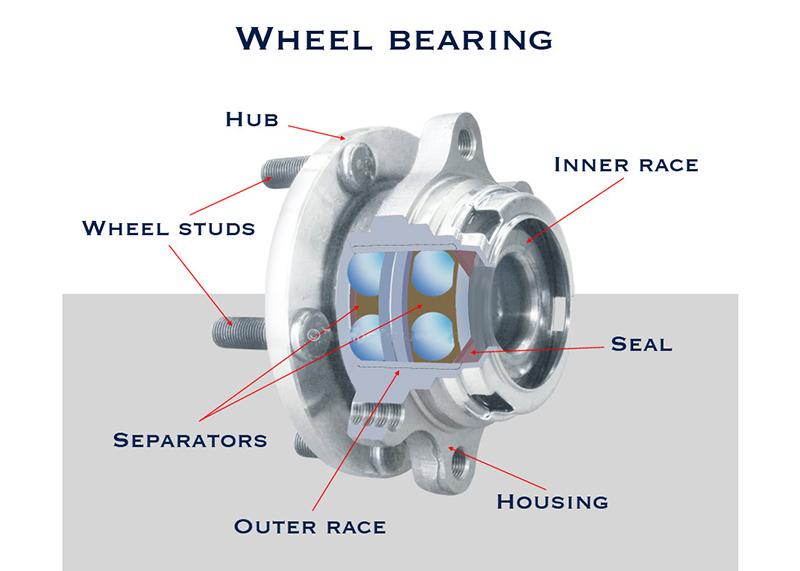
Wheel bearings are critical components that allow vehicle wheels to rotate smoothly while supporting the weight of the vehicle. Although designed for long service life, wheel bearings eventually wear out and require replacement.
Understanding wheel bearing lifespan, common failure symptoms, and proper maintenance practices can help reduce repair costs and improve vehicle safety.
How Long Do Wheel Bearings Typically Last?
Under normal operating conditions, wheel bearings can last between 85,000 and 150,000 miles (approximately 140,000 to 240,000 kilometers).
However, actual service life depends on several factors, including:
Bearing quality
Vehicle load
Road conditions
Driving habits
Lubrication quality
Installation accuracy
High-quality wheel bearings installed correctly and maintained properly can often exceed their expected lifespan.
Factors That Affect Wheel Bearing Life
1. Bearing Quality
The quality of raw materials, heat treatment, and manufacturing precision directly impacts bearing durability.
Premium wheel bearings typically provide longer service life and better reliability.
2. Road Conditions
Driving on rough roads, construction sites, or off-road environments increases shock loads and accelerates bearing wear.
3. Vehicle Load
Overloaded vehicles place additional stress on wheel bearings and may significantly reduce their lifespan.
4. Water and Contamination
Water, dust, and debris can enter damaged seals and contaminate the bearing, causing premature failure.
5. Improper Installation
Incorrect installation methods may damage internal components and reduce bearing life from the very beginning.
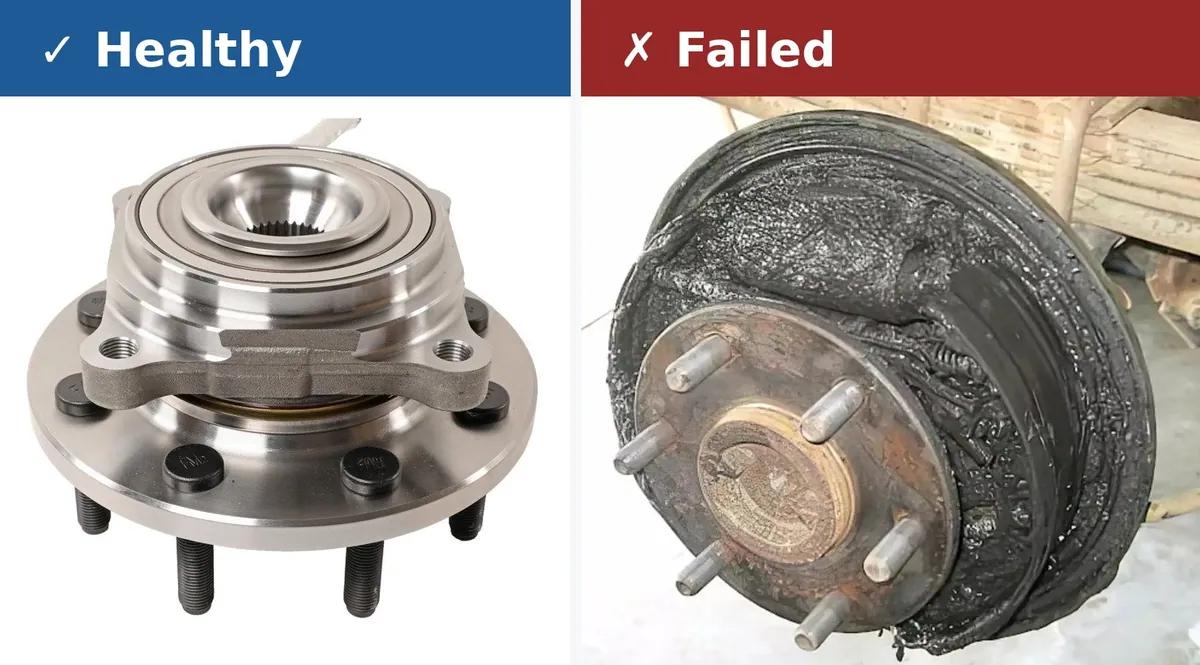
Common Signs of Wheel Bearing Failure
Recognizing early warning signs can help prevent more serious damage.
Unusual Noise
A humming, grinding, or growling sound coming from the wheel area is one of the most common symptoms of bearing wear.
Vibration
A worn wheel bearing may cause noticeable vibration in the steering wheel or vehicle body.
Uneven Tire Wear
Damaged bearings can affect wheel alignment and contribute to irregular tire wear.
Wheel Play
Excessive looseness in the wheel assembly may indicate bearing damage.
ABS Warning Light
In some modern vehicles, a failing wheel bearing may affect wheel speed sensors and trigger the ABS warning light.
When Should You Replace a Wheel Bearing?
Wheel bearings should be replaced immediately when excessive noise, vibration, looseness, or other signs of failure are detected.
Ignoring these symptoms may result in:
Increased repair costs
Tire damage
Reduced driving safety
Unexpected vehicle breakdowns
Early replacement is often more cost-effective than waiting for complete failure.
Tips to Extend Wheel Bearing Life
To maximize wheel bearing service life:
Choose high-quality bearings from reliable suppliers
Avoid overloading the vehicle
Inspect seals regularly
Prevent water and dirt contamination
Follow proper installation procedures
Perform regular vehicle maintenance
Why Quality Wheel Bearings Matter
Wheel bearings play a vital role in vehicle performance and safety.
Selecting high-quality bearings helps reduce maintenance costs, improve reliability, and ensure smooth operation over the long term.
DBS Bearing Wheel Bearing Solutions
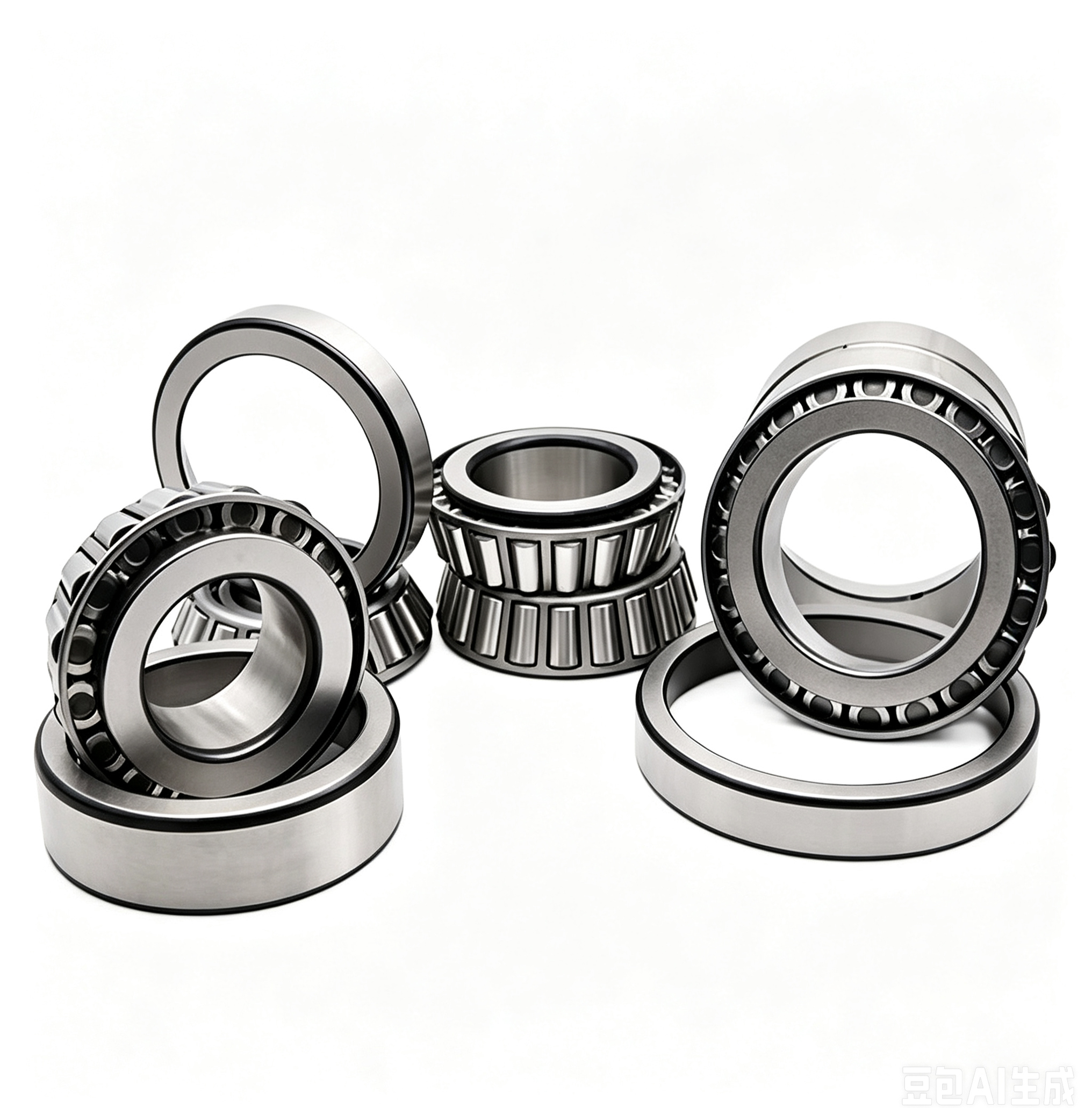
DBS Bearing specializes in manufacturing wheel hub bearings and tapered roller bearings for automotive, truck, trailer, and industrial applications.
Our products are manufactured under strict quality control standards to ensure durability, reliability, and consistent performance.
For wheel bearing solutions, OEM services, or technical support, contact DBS Bearing today.