Welcome to Linqing Xinshengdi Bearing Co., Ltd.


Truck Wheel Bearings: What Buyers Should Check
Truck Wheel Bearings: What Buyers Should Check
Truck wheel bearings operate under demanding conditions, including heavy loads, long driving distances, vibration, and changing road environments.
For truck parts distributors, fleet maintenance companies, and aftermarket buyers, selecting the correct truck wheel bearings is essential for product compatibility, reliable operation, and inventory management.
Before placing a bulk order, buyers should review several important technical and purchasing factors.
1. Confirm the Original Bearing Number
The first step is to identify the correct bearing model.
Truck wheel bearings may be specified using original equipment part numbers, bearing manufacturer references, or complete bearing assembly numbers.
When requesting a quotation, buyers should provide the original part number and vehicle or axle application whenever possible.
If the original number is unavailable, bearing dimensions, photographs, and technical drawings may help with identification.
2. Understand the Bearing Structure
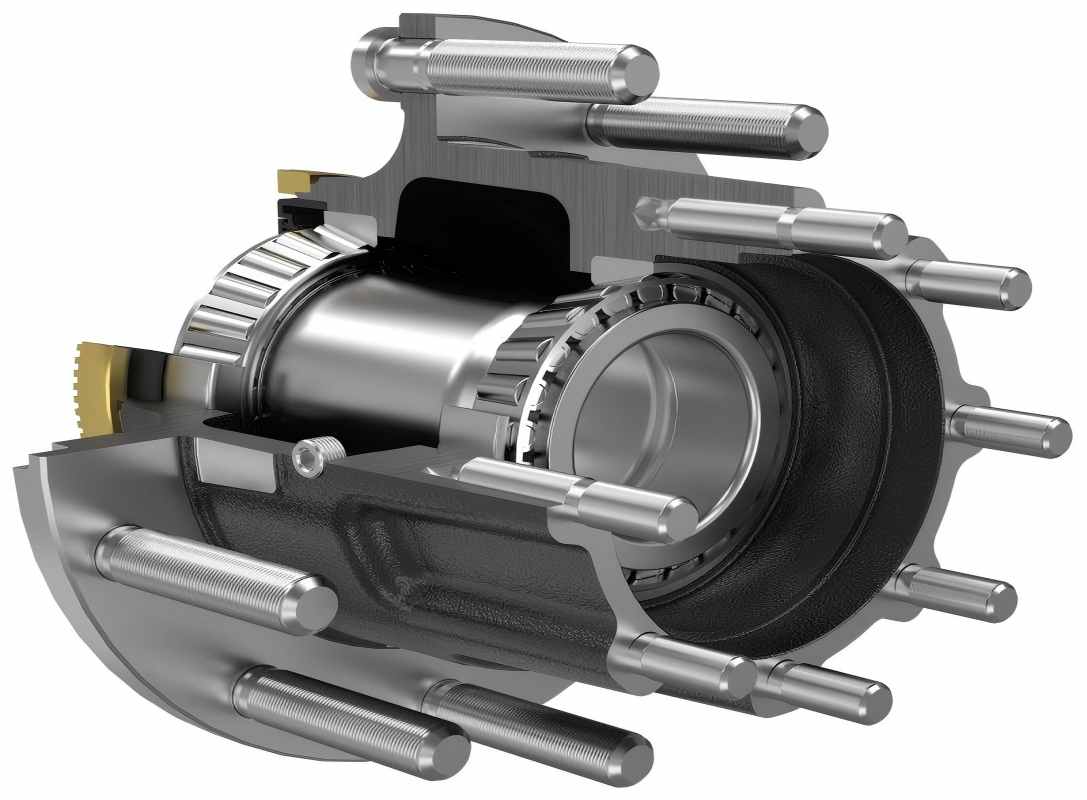
Different commercial vehicle wheel hub systems use different bearing arrangements.
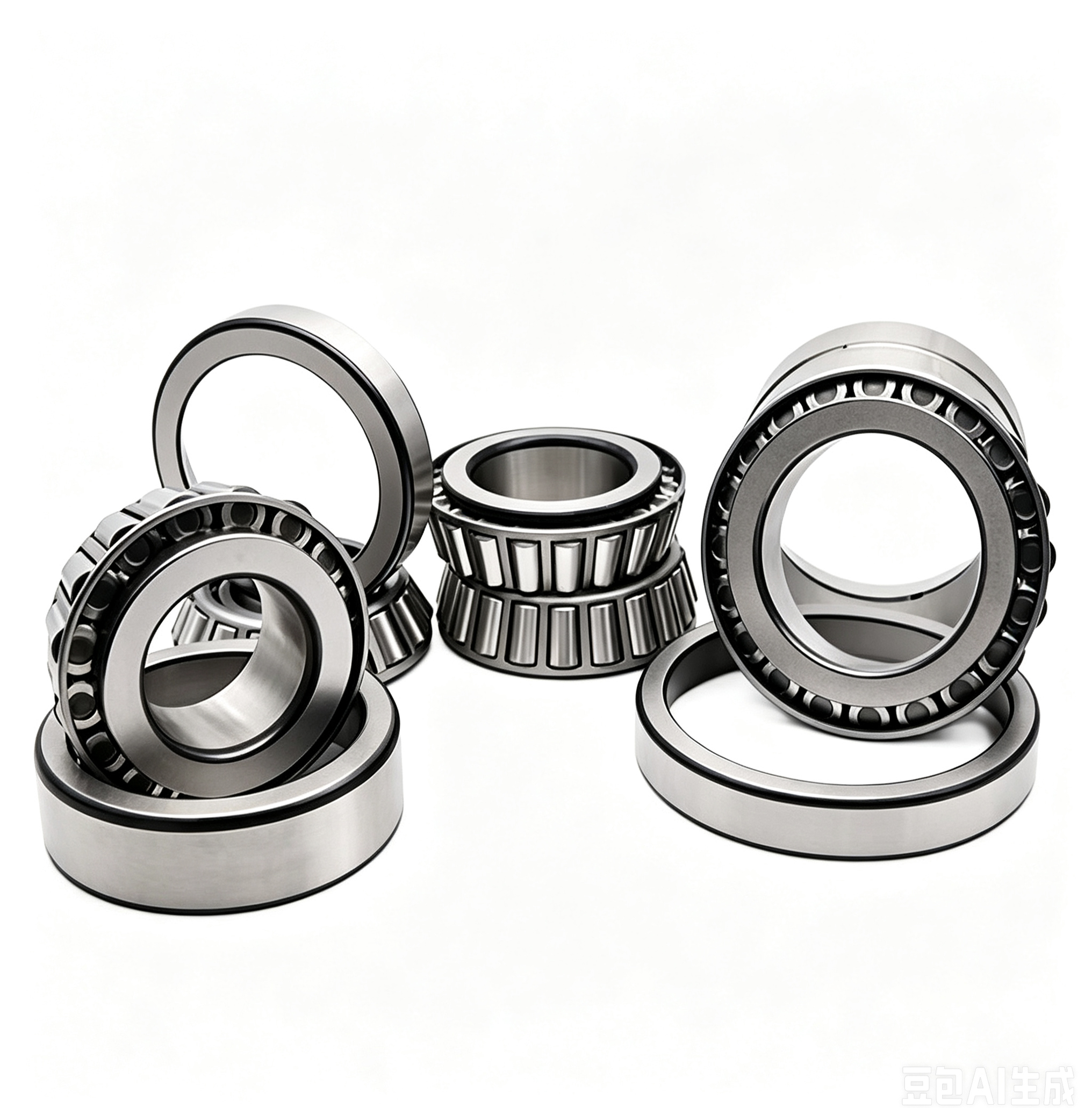
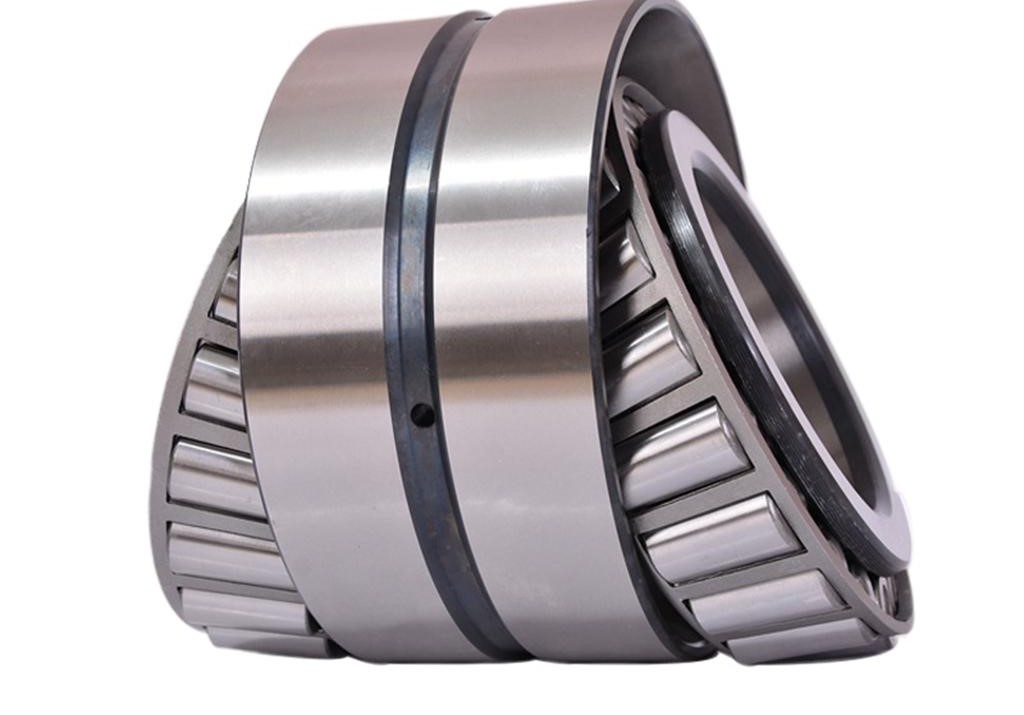
Common designs include single-row tapered roller bearings, double-row tapered roller bearings, and integrated wheel hub bearing units.
Tapered roller bearings are widely used in applications requiring support for combined radial and axial loads.
Some truck applications also use specialized double-row arrangements. For example, the 97506 double-row tapered roller bearing is one of the bearing models listed in the DBS Bearing product catalog.
The correct design must be determined from the original axle or hub specifications rather than the vehicle category alone.
3. Verify Bearing Dimensions
Before confirming a replacement, check the relevant dimensions:
Inner diameter (d)
Outer diameter (D)
Bearing width (B or T)
Cup and cone dimensions, where applicable
Special mounting features
Two bearings with similar external dimensions may have different internal structures, load ratings, or mounting requirements.
Dimensions should therefore be checked together with the complete bearing designation.
4. Check Sealing and Lubrication Requirements
Truck wheel bearings may operate in environments exposed to water, dust, mud, and road contamination.
Depending on the wheel hub design, lubrication may be provided by grease or oil, while sealing may be incorporated into the bearing or surrounding hub assembly.
Buyers should confirm whether the replacement requires:
An open or sealed bearing design
A specific lubricant
A separate hub seal
A factory-adjusted bearing unit
Particular installation or preload requirements
Selecting the correct lubrication and sealing arrangement is important for maintaining the intended operating conditions.
5. Review Bearing Quality Before Shipment
For international distributors, product quality should be checked before goods are shipped.
Important inspection points include dimensional accuracy, visible surface condition, bearing rotation, markings, and packaging.
The inspection scope should reflect the bearing design and agreed technical requirements.
Buyers should also confirm that the supplied model, quantity, and packaging match the purchase order.
6. Consider Different Bearing Applications
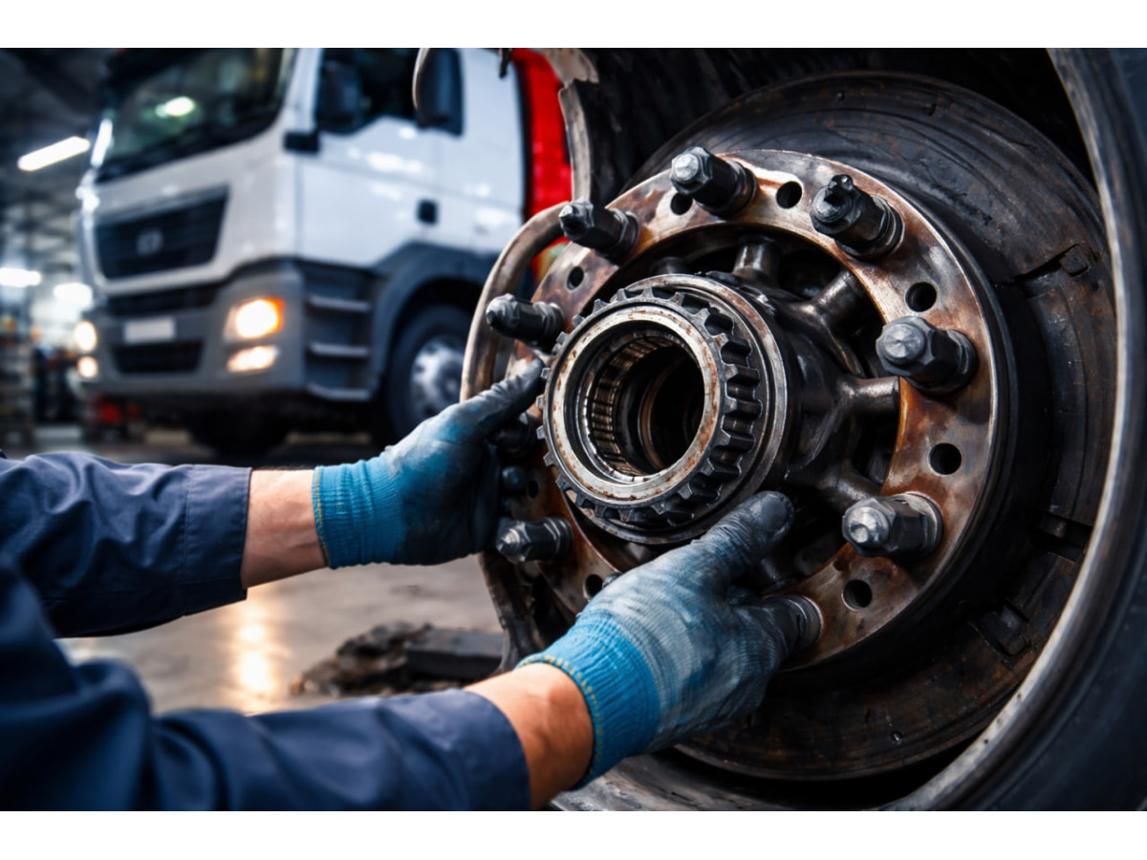
Commercial vehicle bearing requirements vary according to axle design, load, speed, and operating conditions.
For example, the DBS Bearing catalog includes the BT1-0572/6/7718A tapered roller bearing, a model presented for commercial automotive drivetrain and wheel hub applications.
Buyers sourcing bearings for passenger cars or light commercial vehicles can also explore products such as the DAC407237 wheel hub bearing.
These examples illustrate different bearing designs and should not be treated as interchangeable replacements without technical confirmation.
7. What Should Distributors Confirm Before Ordering?
For bulk truck bearing purchases, a clear inquiry helps suppliers prepare more accurate quotations.
We recommend providing:
Complete bearing model or OEM reference
Vehicle or axle application
Required quantity
Brand or packaging requirements
Destination country
Technical specifications or drawings, if available
For aftermarket distributors, private-label packaging and product marking may also be important for local sales and inventory management.
Truck Bearing Supply Solutions from DBS Bearing
DBS Bearing supports international buyers with sourcing and supply coordination for automotive and industrial bearings, including tapered roller bearings, wheel hub bearings, and specialized bearing models.
Our services include bearing specification review, OEM marking and packaging options, and order coordination according to customer requirements.
Whether you are purchasing replacement bearings for commercial vehicles or expanding your aftermarket product range, providing accurate bearing references is the best starting point.
Looking for truck wheel bearings or tapered roller bearings?
Contact DBS Bearing with your bearing models, quantities, and application details to discuss availability and quotation options.