Welcome to Linqing Xinshengdi Bearing Co., Ltd.


Truck Wheel Bearings: Types, Symptoms
Truck Wheel Bearings: Types, Warning Signs, and Maintenance
Truck wheel bearings help wheels rotate smoothly while supporting the vehicle's weight and the forces created during braking, cornering, and road impacts. In heavy-duty service, long operating hours, high loads, heat, water, and dust can all affect wheel-end performance. Understanding the bearing arrangement and responding to early warning signs can help fleets plan inspections and reduce the risk of an unexpected wheel-end problem.
The correct bearing depends on the axle and hub design. Always confirm fitment and service procedures against the vehicle or axle manufacturer's specifications.
What does a truck wheel bearing do?
A wheel bearing reduces friction between rotating and stationary parts at the wheel end. It supports radial loads from the vehicle's weight and axial loads generated when the truck turns or brakes. The bearing must also help keep the wheel correctly located as operating conditions change.
The bearing works as part of a complete wheel-end system that may include the hub, spindle, seal, lubricant, brake components, and, on some vehicles, an ABS sensor or encoder. A problem with one component can affect the others, so inspection should cover the entire assembly rather than the bearing alone.
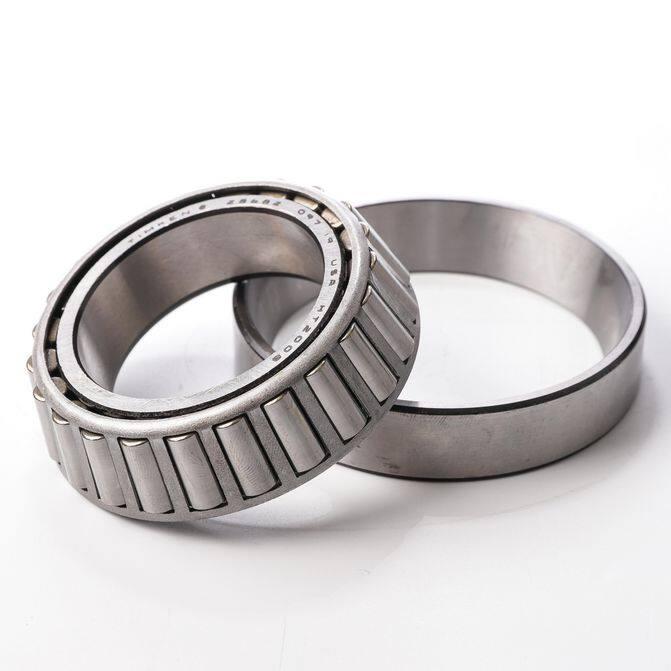
Common truck wheel bearing arrangements
Tapered roller bearings
Tapered roller bearings are widely used in heavy-duty wheel ends because their geometry can support combined radial and axial loads. A serviceable arrangement commonly uses a bearing cone and a matching cup. Depending on the axle design, the wheel end may be grease-lubricated or use an oil-lubricated hub.
Correct adjustment is essential. The required bearing endplay or preload is application-specific; using a generic setting can cause excess heat, noise, or premature wear. Follow the service procedure for the exact axle and hub.
Sealed or unitized hub assemblies
Some truck platforms use a pre-adjusted hub or bearing unit. The assembly may include seals and, in some designs, an ABS-related component. These units are serviced differently from conventional adjustable bearings and are not interchangeable based on appearance alone. Check the vehicle application and OE reference before ordering a replacement.
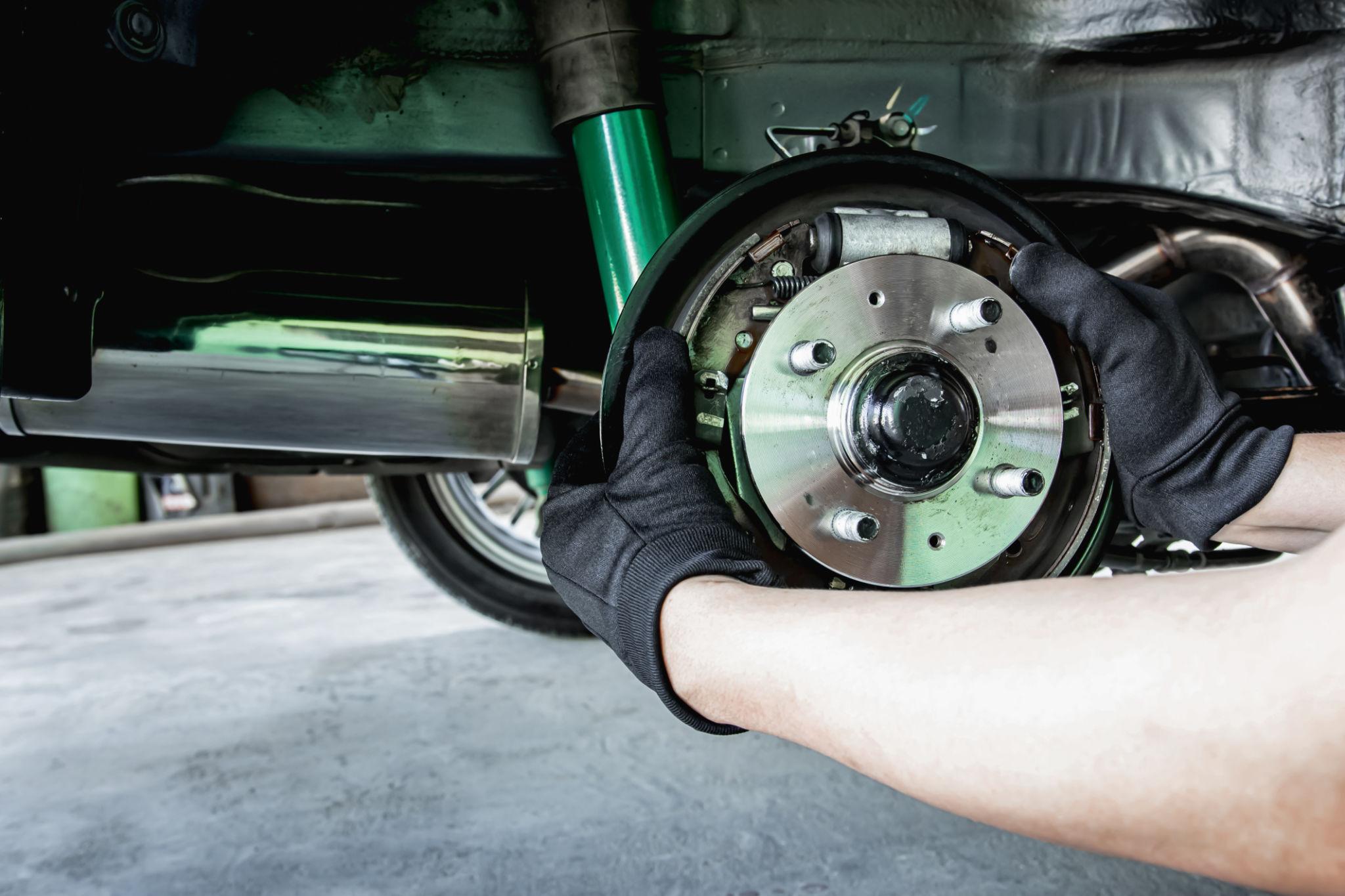
Truck wheel bearing symptoms to watch for
Possible signs of a worn or damaged wheel bearing include:
A humming, growling, or rumbling sound that changes with road speed or when the vehicle turns.
Noticeable wheel-end play, roughness, or vibration during inspection.
Unusual heat around a hub compared with the opposite side, after accounting for braking conditions.
Uneven tire wear or changes in wheel alignment.
An ABS warning on vehicles where a sensor or encoder is integrated with the hub assembly.
These symptoms can also come from tires, brakes, drivetrain components, or other wheel-end parts. A qualified technician should diagnose the cause. If there is severe noise, excessive play, smoke, or abnormal heat, stop operating the vehicle when safe and arrange an inspection; continued driving may increase the risk of further damage.
Why truck wheel bearings fail
Common contributing factors include incorrect adjustment, contamination, damaged seals, unsuitable or degraded lubricant, corrosion, impact damage, and installation errors. Excessive vehicle loads and demanding operating conditions can also increase stress on the wheel end.
Handling matters during installation. Dirt or damage on a bearing seat, race, spindle, or hub can affect fit and operation. Using the wrong tools or applying force through the rolling elements may damage a new bearing before it enters service. Follow the bearing and axle manufacturer's instructions for mounting, lubrication, tightening, and adjustment.
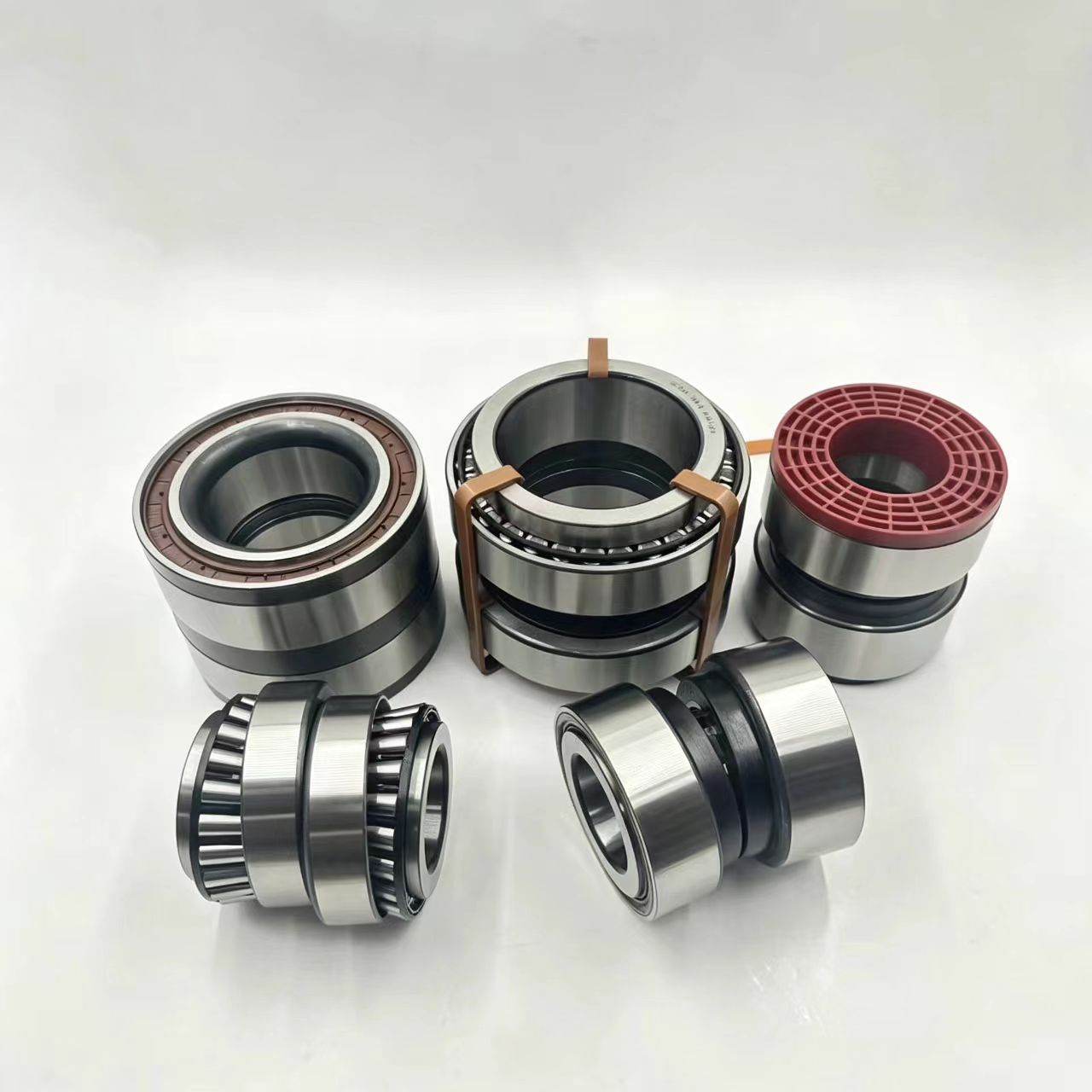
How to choose the right heavy-duty truck wheel bearing
Before ordering, confirm the application rather than relying on a visual match. A useful checklist includes:
Vehicle and axle details: make, model, year, axle model, and OE or cross-reference number.
Wheel-end position: steering, drive, or trailer axle, plus the specific inner or outer position where applicable.
Bearing arrangement and dimensions: bearing type, boundary dimensions, and the required fit or clearance.
Operating requirements: load, speed, temperature, road conditions, and expected duty cycle.
Lubrication and sealing: grease or oil arrangement, lubricant requirements, and compatible seals.
Additional components: ABS sensor or encoder requirements and any hub-specific features.
Supplier documentation: confirm traceability, product identification, and the technical documents required for your application.
If any application detail is uncertain, verify it with the axle or vehicle documentation or a bearing supplier's technical team before installation.
Truck wheel bearing maintenance tips
Use the inspection intervals and procedures specified for the vehicle and axle. During service, check for lubricant leaks, damaged seals, contamination, abnormal noise, rough rotation, and excessive play. Inspect related wheel-end parts as well, since a damaged hub or spindle can compromise a replacement bearing.
Use the specified lubricant and adjustment method. Measure endplay or preload with the recommended procedure and tools; do not substitute a general torque value. Where the service procedure calls for replacing bearing components as a matched set, replace them together. Record inspection findings so recurring temperature, noise, or wear patterns can be investigated.
Frequently asked questions
How long do truck wheel bearings last?
There is no single service life for every truck wheel bearing. Mileage, load, road and weather conditions, lubrication, installation, and maintenance all influence bearing life. Follow the axle manufacturer's inspection and service guidance.
Can a truck keep driving with a noisy wheel bearing?
A noise should be investigated promptly because it may indicate a wheel-end problem, although tires and other components can produce similar sounds. If the vehicle has severe noise, excess play, or abnormal heat, stop when safe and arrange a professional inspection before continuing.
Are truck wheel bearings interchangeable between axles?
Not necessarily. Bearings that look similar may differ in dimensions, load capacity, internal design, adjustment requirements, seals, or sensor features. Confirm the exact axle application and part reference before purchase.
Should tapered roller truck wheel bearings be adjusted by a universal torque value?
No. Adjustment procedures and target endplay or preload vary by axle and hub design. Use the current service instructions for the specific application rather than a generic value.
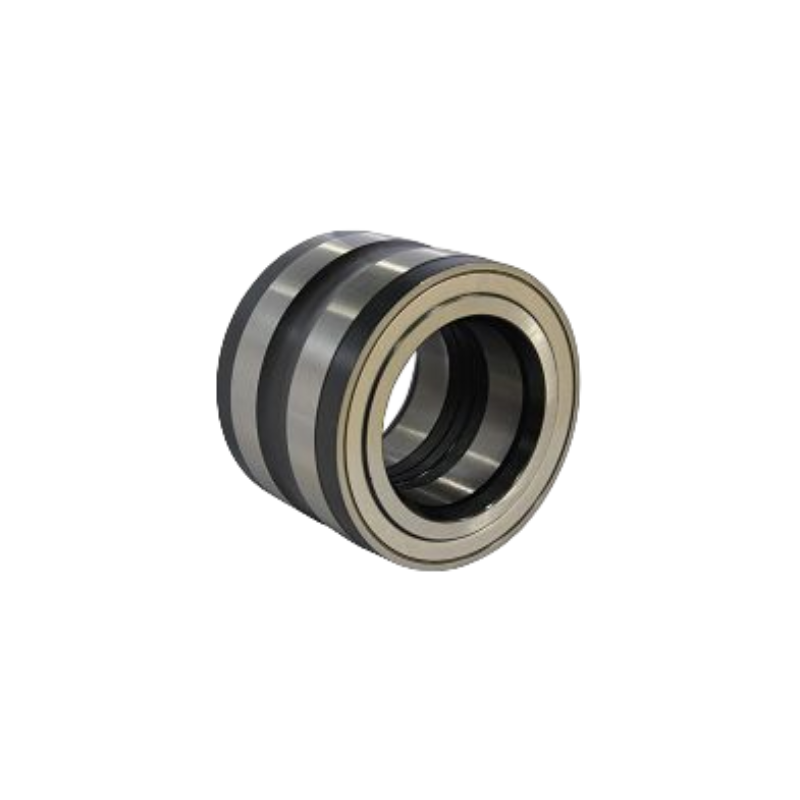
Find the right bearing for your application
Choosing a truck wheel bearing starts with accurate axle and wheel-end identification. Share the vehicle or axle details and OE reference with your bearing supplier to confirm the correct type, dimensions, and service requirements. Contact DBS Bearing to discuss your application or request product information