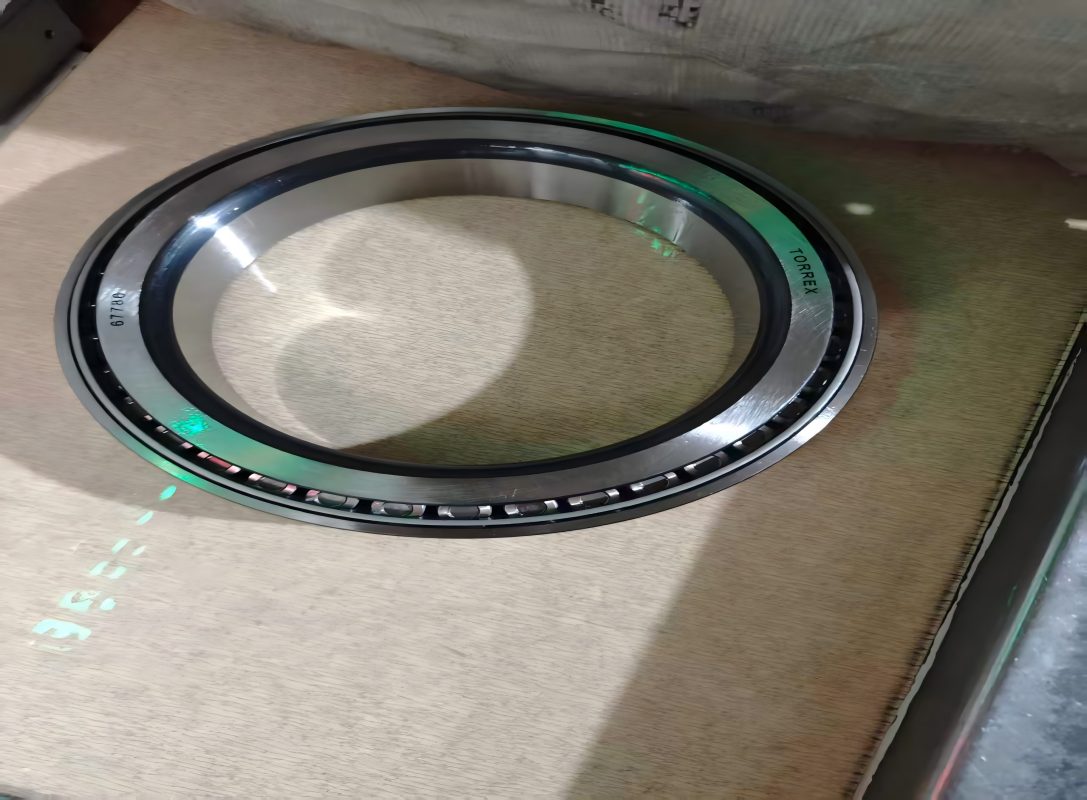
Truck Gearbox Bearing Failure: Causes and Replacement
Truck gearbox bearings operate under demanding conditions, supporting rotating shafts and helping maintain accurate gear alignment. When a bearing begins to fail, the symptoms may include unusual transmission noise, vibration, excessive heat, or difficulty maintaining normal gearbox operation.
For truck repair workshops, transmission rebuilders, and aftermarket parts distributors, identifying the cause of bearing damage is just as important as finding a replacement. Installing a new bearing without addressing the original problem can lead to repeated failures and additional repair costs.
This guide explains common causes of truck gearbox bearing failure, practical inspection considerations, and the information buyers should prepare before ordering replacement bearings.
1. Why Do Truck Gearbox Bearings Fail?
Gearbox bearings are designed to support rotating components under specified loads, speeds, and lubrication conditions. Their service life can be reduced when actual operating conditions differ from the original design requirements.
Insufficient or Incorrect Lubrication
Lubrication helps separate contacting surfaces, reduce friction, and remove heat. Low oil levels, unsuitable lubricant specifications, or inadequate oil circulation can accelerate bearing wear.
During gearbox repair, technicians should inspect the lubricant condition and investigate possible leaks or lubrication system problems before replacing damaged components.
Contamination Inside the Transmission
Metal particles, dirt, water, and other contaminants can damage bearing raceways and rolling elements. Contamination may also indicate wear elsewhere in the transmission.
Replacing the bearing alone may not solve the problem if contaminated lubricant or debris remains inside the gearbox.
Incorrect Bearing Installation
Improper installation methods can damage rolling surfaces, cages, or bearing rings. Applying installation force through the wrong bearing component may introduce damage before the gearbox returns to service.
Workshops should use suitable installation tools and follow the transmission manufacturer's specified procedures.
Excessive Loads or Misalignment
Gearbox bearings can experience abnormal loading when shafts, housings, or adjacent components are misaligned. Worn bearing seats, damaged shafts, and incorrect assembly adjustments may also contribute to premature failure.
These conditions should be investigated rather than assuming that the original bearing was defective.
2. Common Symptoms of Gearbox Bearing Damage
Bearing damage may produce several symptoms, although none of them independently confirms a bearing failure.
Unusual noise: Whining, rumbling, or grinding sounds that change with operating conditions.
Abnormal vibration: Increased vibration caused by damaged components or changes in shaft support.
Excessive temperature: Heat associated with friction, lubrication problems, or incorrect adjustments.
Metal debris: Particles found during lubricant inspection or gearbox disassembly.
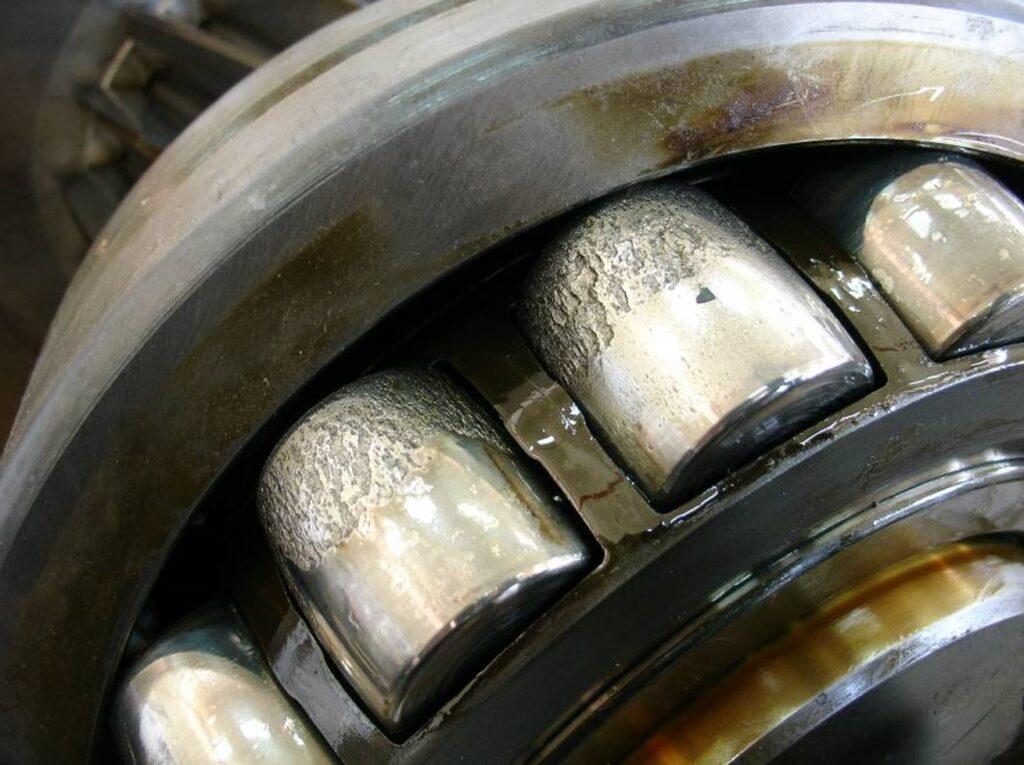
Visible bearing damage: Surface wear, corrosion, spalling, discoloration, or damaged rolling elements.
Similar symptoms may also result from gear damage, clutch-related problems, or other transmission components. A complete inspection is necessary before determining the repair procedure.
3. How to Identify a Replacement Truck Gearbox Bearing
The original bearing designation is usually the most useful starting point. However, gearbox bearings may also be identified through transmission manufacturer part numbers or aftermarket cross-reference systems.
Buyers should record the complete reference number, including any prefixes or suffixes, because apparently minor differences may identify different bearing designs.
Important Bearing Specifications
| Specification | What to Verify |
|---|---|
| Original Part Number | Complete bearing or transmission reference |
| Inner Diameter (d) | Required shaft fit and bore dimension |
| Outer Diameter (D) | Required housing fit and outside diameter |
| Width (B/T) | Applicable bearing width or assembly dimension |
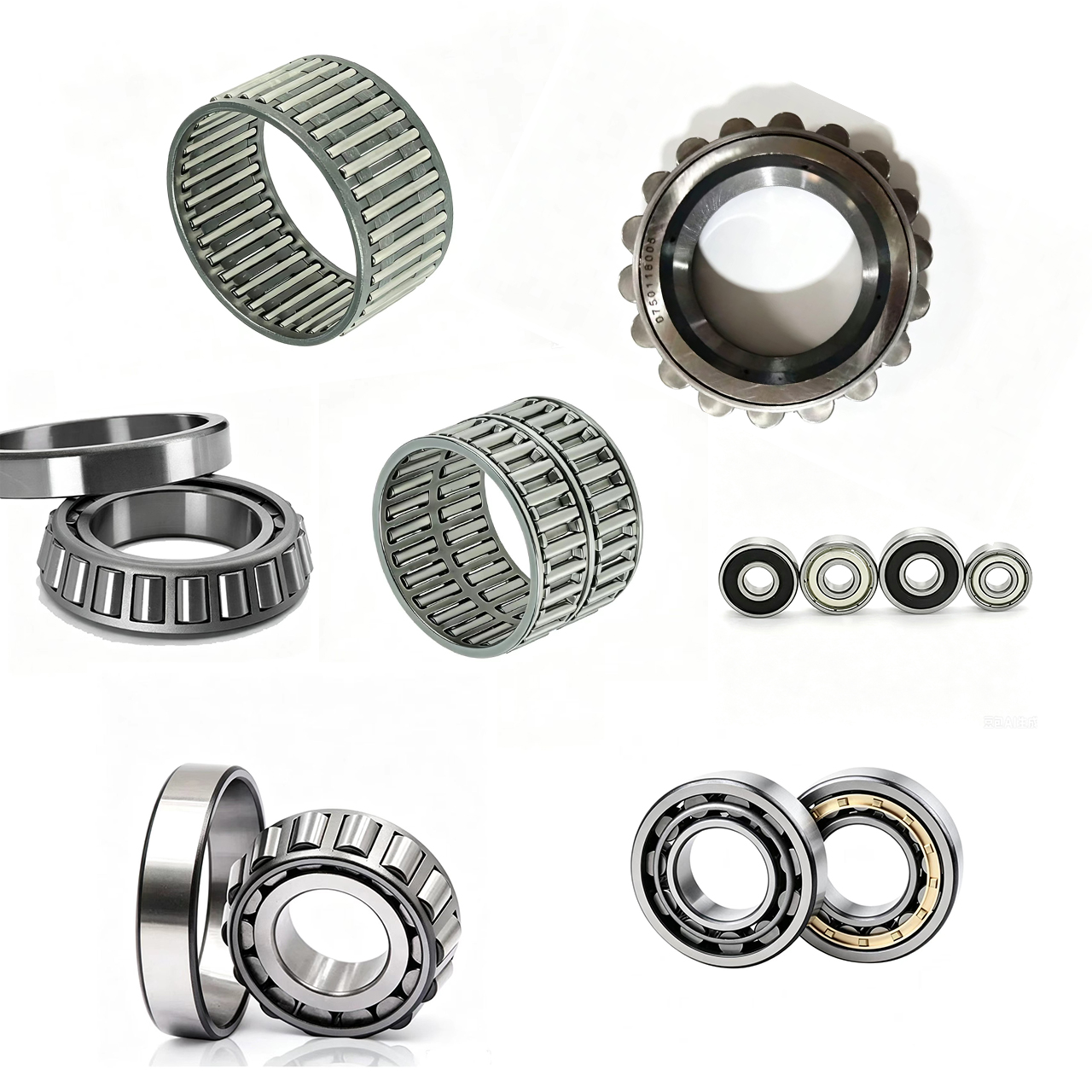
| Bearing Type | Ball, cylindrical roller, tapered roller, or other design |
| Internal Configuration | Relevant internal geometry and arrangement |
| Clearance or Preload | Requirements specified for the gearbox assembly |
| Lubrication | Transmission manufacturer's lubricant specification |
Bearings with identical basic dimensions are not necessarily interchangeable. Internal design, tolerances, load ratings, and mounting arrangements must also be considered.
4. Why OEM Cross-Reference Numbers Matter
Commercial vehicle parts may be identified by multiple reference systems, including gearbox manufacturer numbers, vehicle manufacturer numbers, and aftermarket supplier references.
For example, a transmission bearing inquiry may include a ZF reference alongside numbers used in truck parts catalogs.
Cross-reference information can help buyers identify potential replacement products, but it should not be treated as proof of technical interchangeability without further verification.
When the original reference is unclear, buyers can provide photographs of the bearing markings, measurements, and transmission identification details for review.
5. What Should Workshops Inspect Before Replacement?
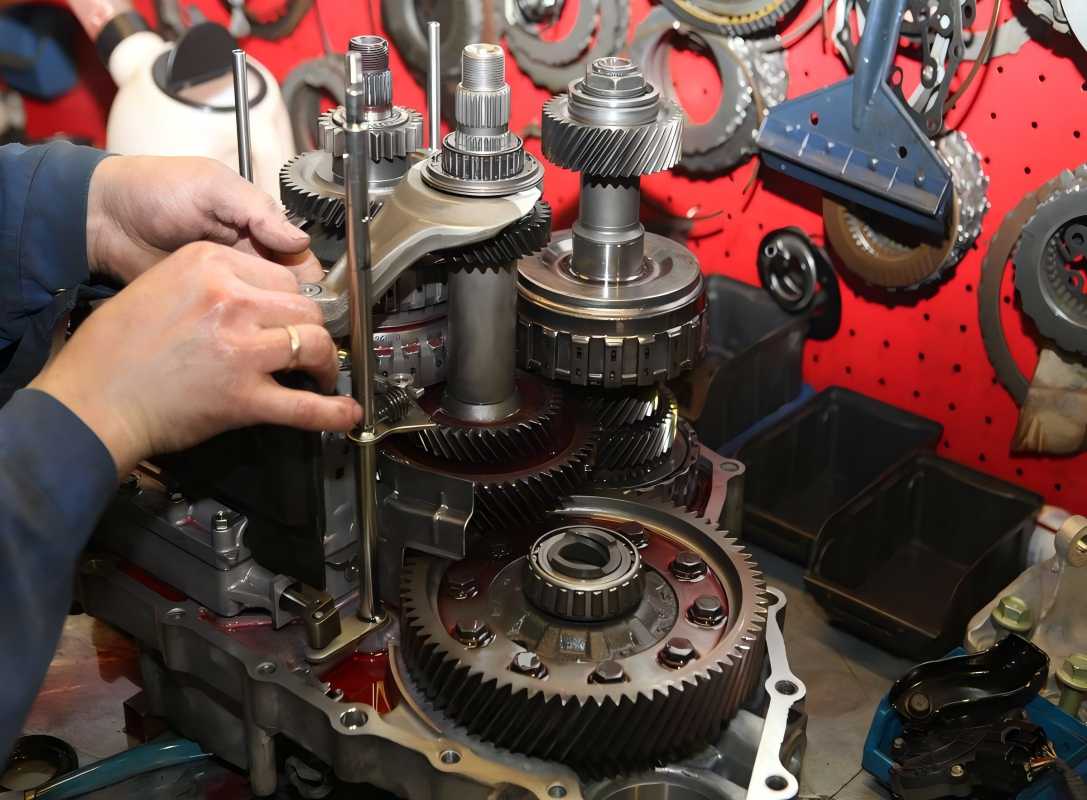
Before installing a replacement bearing, a qualified technician should investigate the cause of the original damage.
Inspect the shaft and housing bearing seats for wear or damage.
Check the condition of gears and adjacent rotating components.
Investigate possible lubrication or contamination problems.
Verify the replacement bearing designation and construction.
Follow the manufacturer's specified assembly and adjustment procedures.
Confirm that the required bearing clearance, preload, or endplay has been established correctly.
The exact inspection and adjustment procedures depend on the gearbox design. Manufacturer service documentation should take priority over general
replacement guidance.
6. Purchasing Gearbox Bearings for Aftermarket Supply
For aftermarket distributors and transmission repair businesses, bearing sourcing involves more than finding a supplier with a matching part number.
Availability, technical identification, packaging, quantity requirements, and international shipping arrangements can all influence purchasing decisions.
Before requesting a quotation, prepare the following information:
Original bearing or OEM reference number
Gearbox manufacturer and model, if available
Bearing dimensions in millimeters
Required quantity
Photographs of the original bearing
Any special technical requirements
Destination country and preferred delivery terms
Providing complete information can help reduce unnecessary quotation revisions and avoid ordering unsuitable products.
7. DBS Bearing Aftermarket Transmission Solutions
DBS Bearing, based in Linqing, Shandong, China, supports international customers sourcing transmission bearings and other automotive and industrial bearing products.
Our supply scope includes truck gearbox bearings, differential bearings, wheel hub bearings, tapered roller bearings, and other replacement bearing solutions.
Depending on the product and order requirements, DBS Bearing can support:
Bearing sourcing by OEM or aftermarket reference
Dimensional and technical requirement review
Small-batch and repeat-order supply arrangements
Customer-specific marking where applicable
Neutral or private-label packaging
International order consolidation and export coordination
Customers can also submit drawings or original bearing samples for technical review when standard catalog information is insufficient.
8. Frequently Asked Questions
Can a damaged truck gearbox bearing cause transmission noise?
Yes. Bearing damage may contribute to whining, rumbling, or grinding noises. However, other transmission components can produce similar symptoms, so a proper diagnosis is necessary.
Can I order a replacement using the OEM number?
OEM references are useful for identifying replacement candidates. The supplier should still verify the relevant bearing specifications and application requirements before confirming compatibility.
Are bearings with the same dimensions interchangeable?
Not always. Two bearings can share the same basic dimensions but differ in internal construction, load ratings, tolerances, or mounting requirements.
Does DBS Bearing support custom packaging?
Yes. Depending on the order, DBS Bearing can arrange neutral packaging, DBS-branded packaging, or customer-specific private-label packaging.
What if the original gearbox bearing number is unreadable?
Send clear photographs, measured dimensions, and the gearbox identification details. Additional technical information may be required to identify a suitable replacement.
9. Request a Truck Gearbox Bearing Quote
If you are sourcing replacement bearings for truck transmission repair, aftermarket distribution, or industrial maintenance, DBS Bearing welcomes your inquiry.
Send us your bearing numbers, specifications, required quantities, and shipping destination. We will review the information and discuss available supply options.
DBS Bearing — Aftermarket Bearing Solutions for Global Buyers.