Truck Differential Bearings: Replacement and Selection Guide
Truck differential bearings play an important role in supporting rotating components within a commercial vehicle's drive axle. Whether a workshop is rebuilding a differential or a parts distributor is sourcing replacement bearings, selecting the correct product requires more than matching a bearing number.
Dimensions, bearing arrangement, operating loads, installation requirements, and axle specifications must all be considered. For aftermarket buyers, understanding these details can help reduce ordering mistakes, installation problems, and unnecessary downtime.
This guide explains the key factors to consider when identifying and purchasing differential bearings for heavy-duty trucks.
1. What Do Truck Differential Bearings Do?
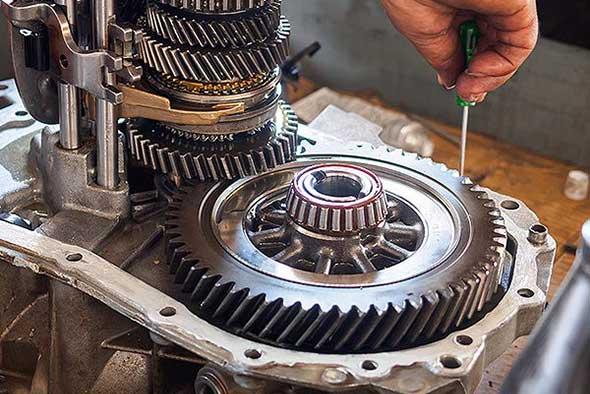
The differential transfers torque through the final-drive assembly while allowing the drive wheels to rotate at different speeds during turning. Several bearing positions may be involved in supporting the pinion shaft, differential case, and associated rotating components.
Depending on the axle design, these bearings must accommodate radial loads, axial loads, or a combination of both. They also help maintain the correct position of gears and shafts under operating conditions.
Incorrect bearing selection or installation can affect gear alignment, operating noise, temperature, and service life.
2. Common Bearing Positions in a Truck Differential
Pinion Bearings
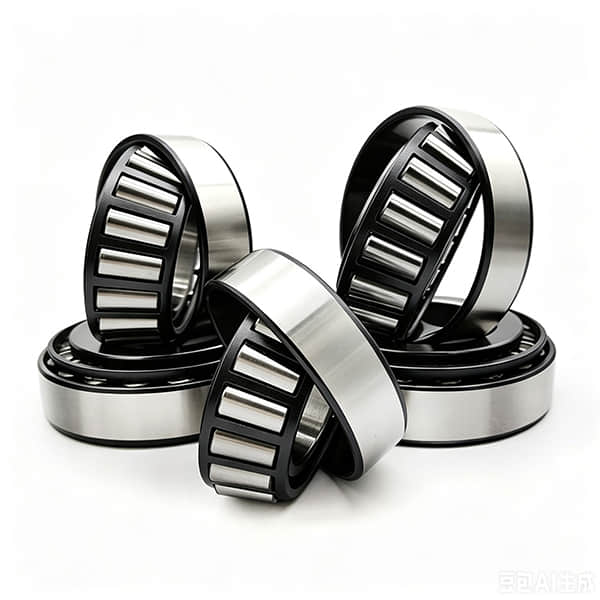
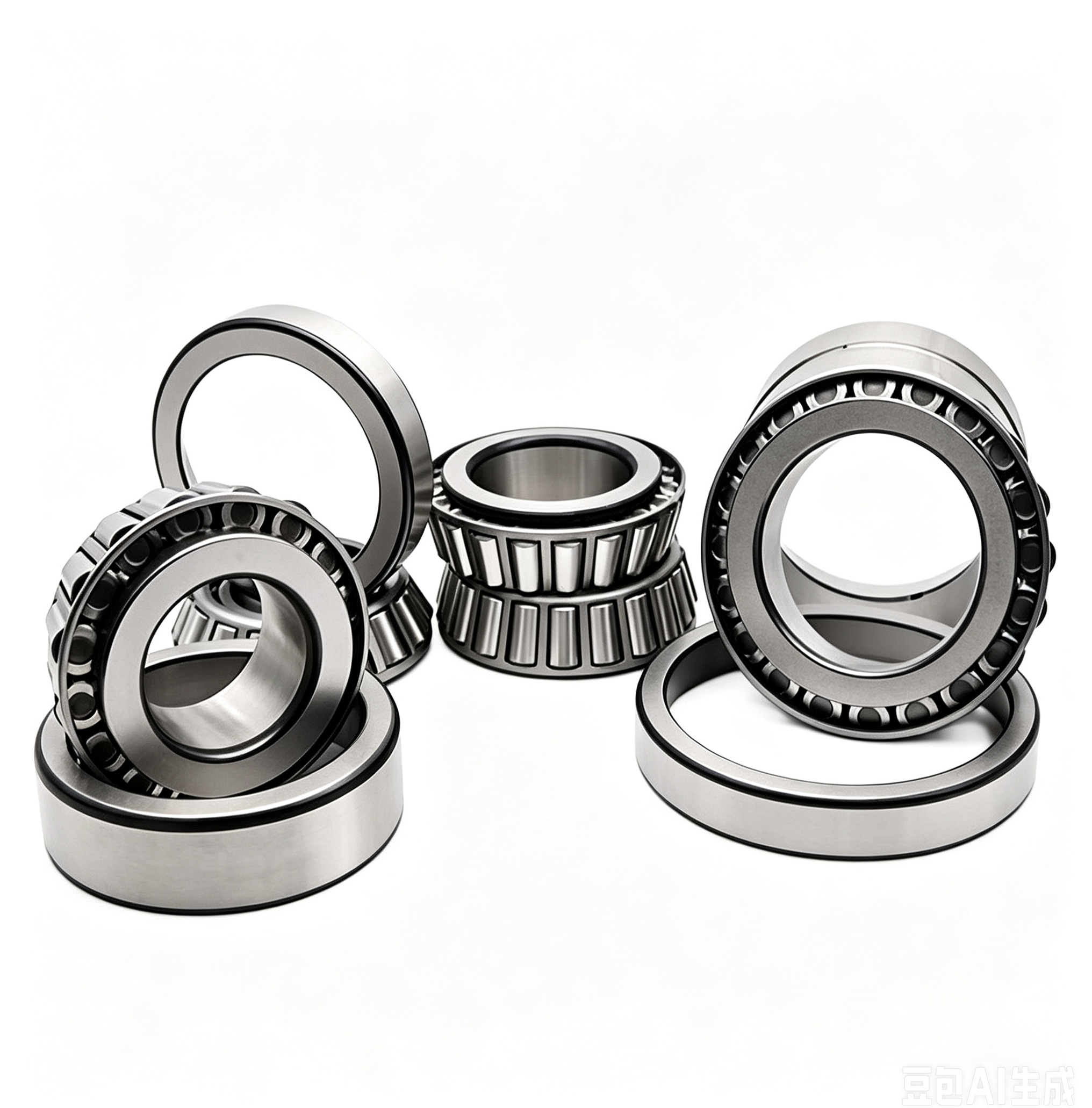
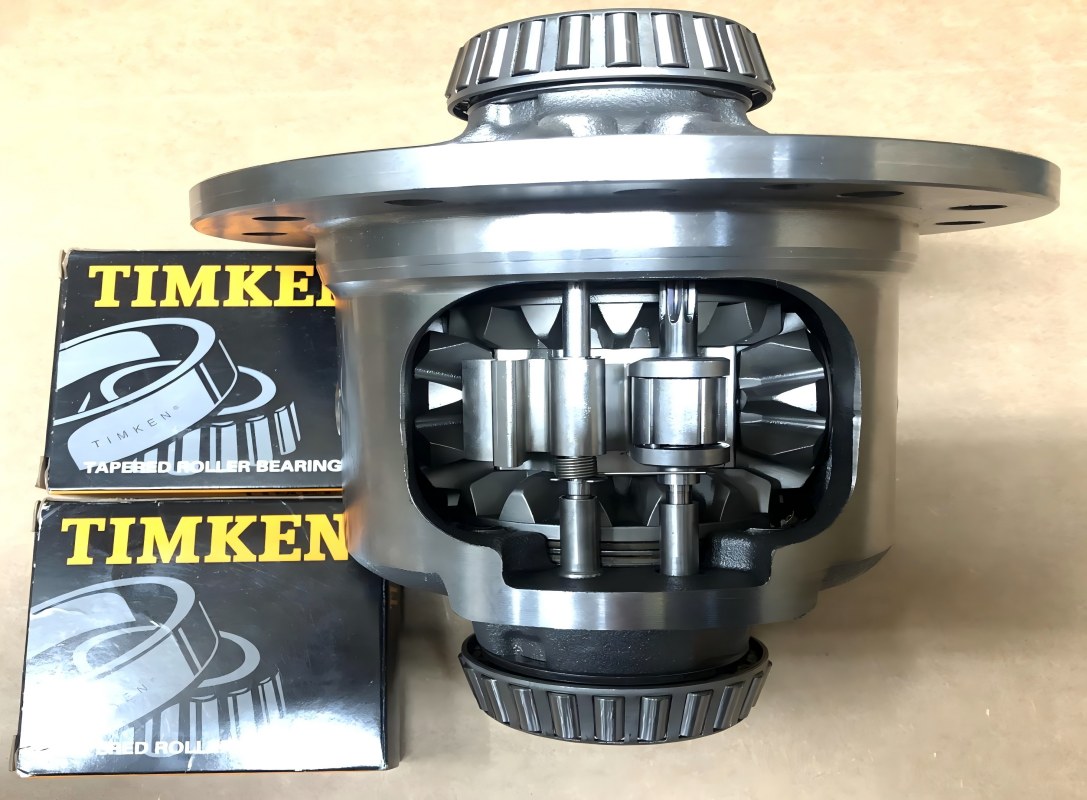
Pinion bearings support the drive pinion shaft and help maintain its operating position relative to the ring gear. Many heavy-duty axle designs use tapered roller bearings in opposed arrangements, although the exact configuration depends on the axle manufacturer.
Correct preload, lubrication, and installation procedures are particularly important in this position.
Differential Case Bearings
Differential case bearings support the differential carrier or case assembly. Their arrangement helps maintain the position of the ring gear and contributes to stable operation under varying loads.
When replacing these bearings, technicians should verify the bearing designation, dimensions, and the axle manufacturer's adjustment requirements.
Other Axle Bearing Positions
Some axle assemblies contain additional bearings associated with intermediate shafts, wheel ends, or other components. These should not automatically be treated as interchangeable with differential case or pinion bearings.
3. How to Identify the Correct Replacement Bearing
The most reliable starting point is the original bearing designation or an accurate axle parts reference.
When a readable bearing number is unavailable, identification may require physical measurements and inspection of the original assembly.
Key Information to Check
Original bearing number: Record all letters, numbers, prefixes, and suffixes.
Inner diameter: Measure the bearing bore or relevant shaft seating diameter.
Outer diameter: Confirm the outside diameter or housing fit.
Overall width: Check the applicable bearing or assembled bearing-set width.
Bearing construction: Identify whether the design uses a tapered roller, cylindrical roller, ball, or another bearing type.
Axle identification: Obtain the axle model, assembly number, or parts documentation when available.
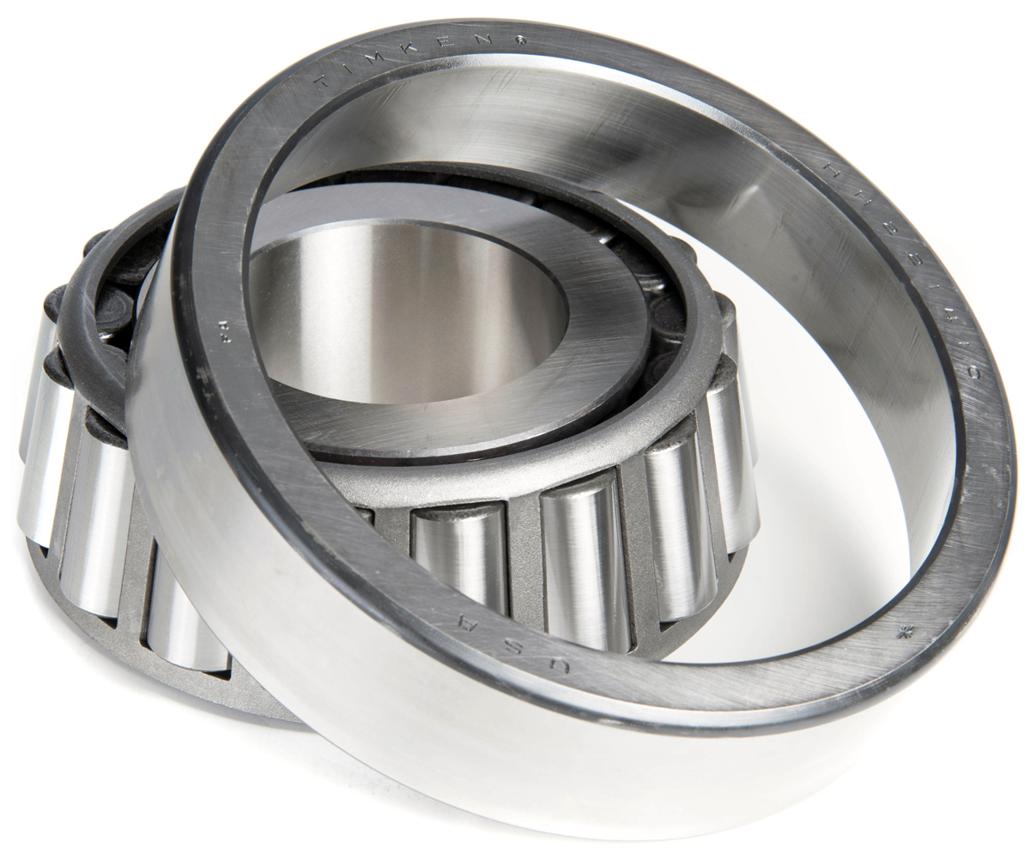
For separable tapered roller bearings, the cone and cup may have individual designations. Both references should be checked before ordering a replacement set.
4. Technical Specifications Buyers Should Confirm
| Parameter | Why It Matters |
|---|---|
| Bearing reference | Helps identify the original bearing design and relevant replacement specifications. |
| Inner diameter (d) | Must match the required shaft seating arrangement. |
| Outer diameter (D) | Must match the specified housing or cup seat. |
| Width (B/T) | Must match the required bearing configuration and assembly dimensions. |
| Bearing type | Determines the relevant load-carrying and installation characteristics. |
| Internal design | May affect load ratings, adjustment requirements, and compatibility. |
| Preload or endplay | Must follow the axle manufacturer's assembly procedure. |
| Lubrication | Must be suitable for the axle design and operating conditions. |
Matching the three main dimensions alone does not establish full interchangeability. Bearings with similar dimensions may differ in internal geometry, tolerances, and load-carrying characteristics.
5. Common Problems During Differential Bearing Replacement
Incorrect Bearing Preload
Some differential bearing arrangements require controlled preload or endplay. Incorrect adjustment may lead to excessive heat, unstable gear positioning, or premature bearing damage.
Always follow the relevant axle manufacturer's service instructions.
Contaminated Lubrication
Metal particles, water, and other contaminants can damage rolling surfaces. During differential repair, workshops should inspect the lubricant and clean relevant components before installing new bearings.
Damaged Bearing Seats
A worn shaft seat or housing bore can prevent a replacement bearing from operating correctly. Installing a new bearing without correcting the underlying fit problem may result in repeated failure.
Incorrect Cross-Reference Selection
An aftermarket reference may help identify a replacement candidate, but the buyer must still confirm the exact bearing design and application requirements.
Brand references should not be considered automatically interchangeable without appropriate technical verification.
6. What Should Distributors Check Before Purchasing?
For truck parts distributors, reliable bearing identification is essential because the same vehicle brand may use different axle configurations across models and production periods.
Before requesting a quotation, prepare the following information:
Original bearing number or OEM part reference
Truck and axle manufacturer, if known
Axle model or assembly identification
Required bearing quantity
Photographs of the original bearing and markings
Available dimensional measurements
Destination country and preferred packaging
This information allows suppliers to review the request more efficiently and reduces the likelihood of quoting an unsuitable bearing.
7. Aftermarket Differential Bearing Supply
For independent truck repair businesses and aftermarket distributors, replacement bearing sourcing often involves balancing product specifications, availability, packaging requirements, and purchasing cost.
DBS Bearing supports customers sourcing automotive and commercial vehicle bearings, including differential, transmission, wheel hub, and other bearing applications.
Depending on the product and order requirements, our services may include:
Aftermarket bearing sourcing by reference number
Dimensional and technical requirement review
OEM and private-label packaging options
Customized bearing marking where applicable
Consolidated supply for multiple bearing models
International quotation and shipping coordination
Customers are encouraged to provide the original bearing reference, technical requirements, and intended application before placing an order.
8. Frequently Asked Questions
Are all truck differential bearings tapered roller bearings?
No. Tapered roller bearings are commonly used in many differential and axle arrangements, but the bearing type depends on the specific assembly design. The original specification should always be checked.
Can I replace a differential bearing using dimensions only?
Dimensions are essential, but they are not always sufficient. Bearing construction, internal geometry, tolerances, and application requirements must also be considered.
Should pinion bearings be replaced as a set?
The correct replacement procedure depends on the axle design and service instructions. Some assemblies use matched or paired bearing arrangements, and associated components may also require inspection.
Can DBS Bearing supply aftermarket replacement bearings?
Yes. DBS Bearing can review requests for aftermarket differential and transmission bearing solutions based on the supplied part numbers, dimensions, quantities, and technical requirements.
What information is needed for a quotation?
Ideally, provide the bearing reference, dimensions, quantity, original product photographs, and destination country. Axle identification is also useful when available.
9. Request a Quote from DBS Bearing
If you are sourcing truck differential bearings for repair, distribution, or aftermarket supply, DBS Bearing can help review your bearing requirements.
Send us your bearing reference numbers, specifications, quantities, and shipping destination. Our team will evaluate the available supply options and respond with relevant product information.
DBS Bearing — Aftermarket Bearing Solutions for Global Customers.