Welcome to Linqing Xinshengdi Bearing Co., Ltd.


Spherical Roller Bearings: Buy Guide
Spherical Roller Bearings: Selection and Replacement Guide
Spherical roller bearings are widely used in heavy-duty industrial machinery where high radial loads, shaft deflection, and alignment challenges may occur.
They are commonly found in mining equipment, conveyors, steel mills, cement plants, and industrial gearboxes.
For maintenance teams and industrial bearing buyers, choosing the correct spherical roller bearing requires more than matching the basic bearing number.
This guide explains the key factors to consider when selecting or replacing spherical roller bearings.
1. Understand Spherical Roller Bearing Design
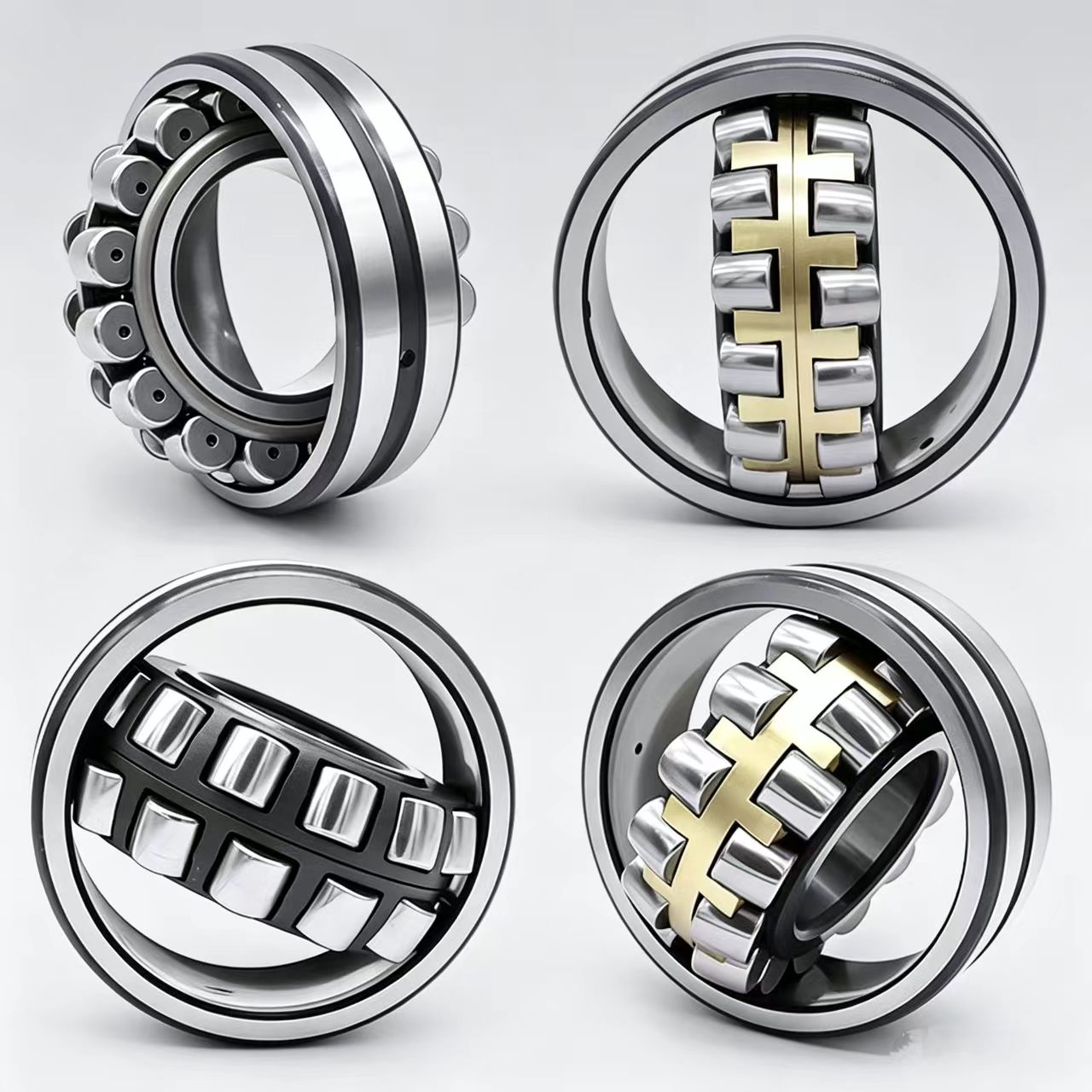
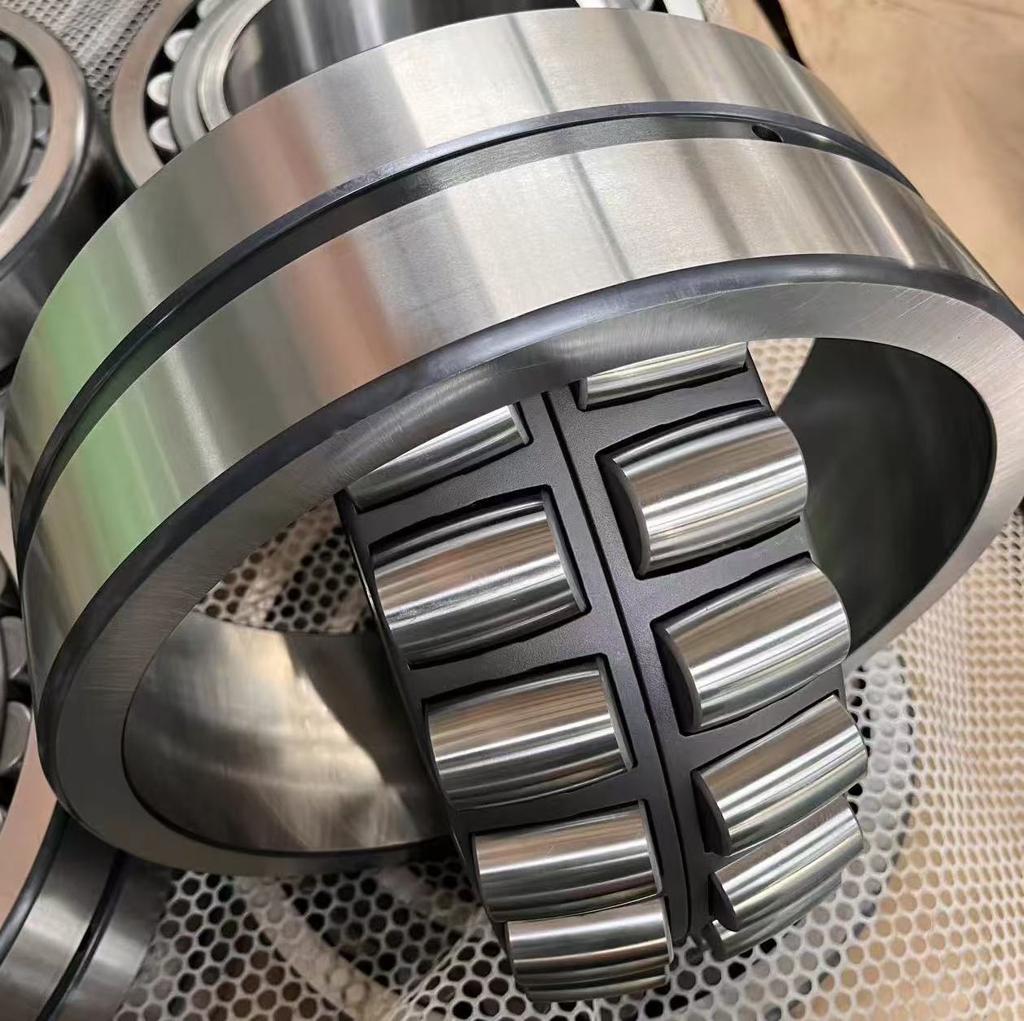
Spherical roller bearings typically contain two rows of barrel-shaped rollers operating against a common spherical outer ring raceway.
This design allows the bearing to accommodate angular misalignment while supporting high radial loads and axial loads in both directions, within its design limits.
However, allowable misalignment depends on the bearing design, operating load, sealing arrangement, and application conditions.
2. Identify the Correct Bearing Series
Common spherical roller bearing series include:
213 series
222 series
223 series
230 series
231 series
232 series
240 series
241 series
Different series offer different dimensional proportions, load capacities, and mounting characteristics.
For example, a 222-series bearing and a 223-series bearing with the same bore code generally have different outside dimensions or widths.
The complete bearing designation should always be confirmed before ordering.
3. Check Dimensions and Shaft Fit
The main dimensions include:
Bore diameter (d)
Outside diameter (D)
Bearing width (B)
Buyers should also confirm whether the bearing has a cylindrical bore or tapered bore.
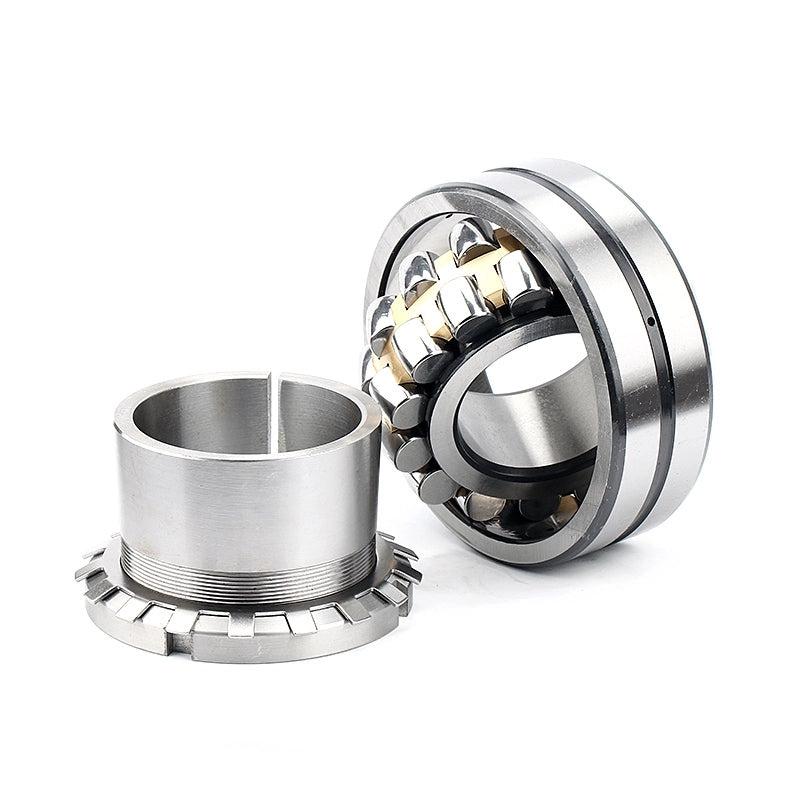
Tapered-bore bearings may require an adapter sleeve, withdrawal sleeve, or other appropriate mounting arrangement.
Correct shaft and housing fits are essential for maintaining bearing performance and avoiding premature damage.
4. Confirm Internal Clearance
Radial internal clearance is an important consideration when selecting spherical roller bearings.
Common clearance classes include CN, C3, and C4.
The correct clearance depends on operating temperature, shaft and housing fits, mounting method, and application requirements.
For tapered-bore bearings, internal clearance may decrease during mounting as the inner ring expands.
Therefore, installation procedures and residual clearance should follow the relevant manufacturer's technical instructions.
5. Evaluate Load and Operating Conditions
Before selecting a bearing, review:
Radial and axial loads
Operating speed
Working temperature
Shock and vibration
Lubrication method
Contamination exposure
Expected operating life
For demanding industrial applications, load ratings and operating limits should be checked against the manufacturer's technical data.
A bearing with the correct dimensions is not necessarily suitable if its load capacity or internal design differs from the original specification.
6. Review Bearing Cage and Lubrication Requirements
Spherical roller bearings may use different cage designs and materials, depending on the manufacturer and series.
Cage selection can affect suitability for particular operating conditions.
Lubrication is equally important.
Grease or oil selection should account for operating temperature, speed, load, and environmental conditions.
For heavily contaminated applications, appropriate sealing and relubrication arrangements may be necessary.
7. Common Replacement Mistakes
When replacing spherical roller bearings, buyers should avoid several common mistakes:
Ignoring suffixes: Bearing designations may include information about clearance, cage design, lubrication features, or other specifications.
Choosing by dimensions alone: Bearings with similar dimensions may have different internal designs or operating limits.
Incorrect mounting: Improper installation can damage bearing components or produce unsuitable operating clearance.
Overlooking application conditions: High temperatures, shock loads, and contamination can affect bearing performance.
8. What Information Should Buyers Provide?
For an accurate quotation, provide:
Complete bearing number and suffixes.
Required quantity.
Cylindrical or tapered bore specification.
Clearance requirements.
Application or equipment details.
Preferred cage or other special specifications.
Delivery destination.
If the original bearing number is unavailable, drawings, dimensions, and photographs can help with identification.
Spherical Roller Bearing Supply from DBS Bearing
DBS Bearing supports industrial customers with sourcing and supply coordination for spherical roller bearings and other rolling bearing types.
Our product range covers various industrial applications, including heavy-duty equipment, transmission systems, and machinery maintenance.
We can review bearing numbers, drawings, quantities, and application requirements to help identify suitable supply options.
For related bearing solutions, explore our tapered roller bearings or read our bearing supplier evaluation guide.
Need spherical roller bearings for industrial equipment?
Contact DBS Bearing with your bearing models and required quantities for quotation and availability confirmation.
DBS Bearing — Your Reliable Bearing Solution Partner
Website: https://www.dbsbearing.com/