Welcome to Linqing Xinshengdi Bearing Co., Ltd.


Railway Tapered Roller Bearings Explained
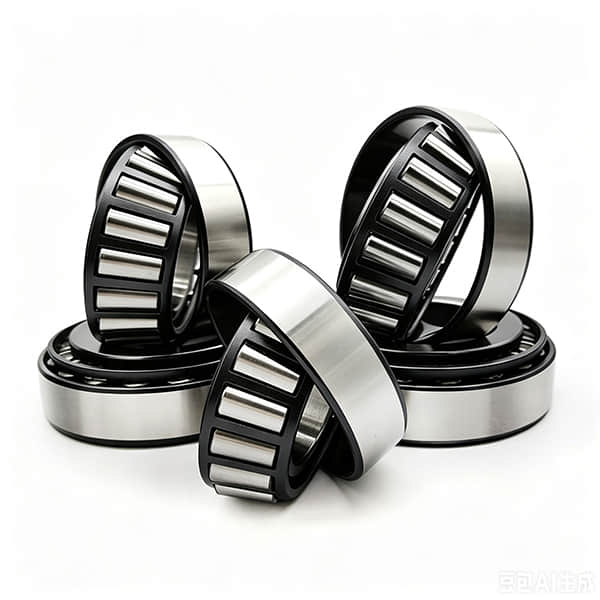
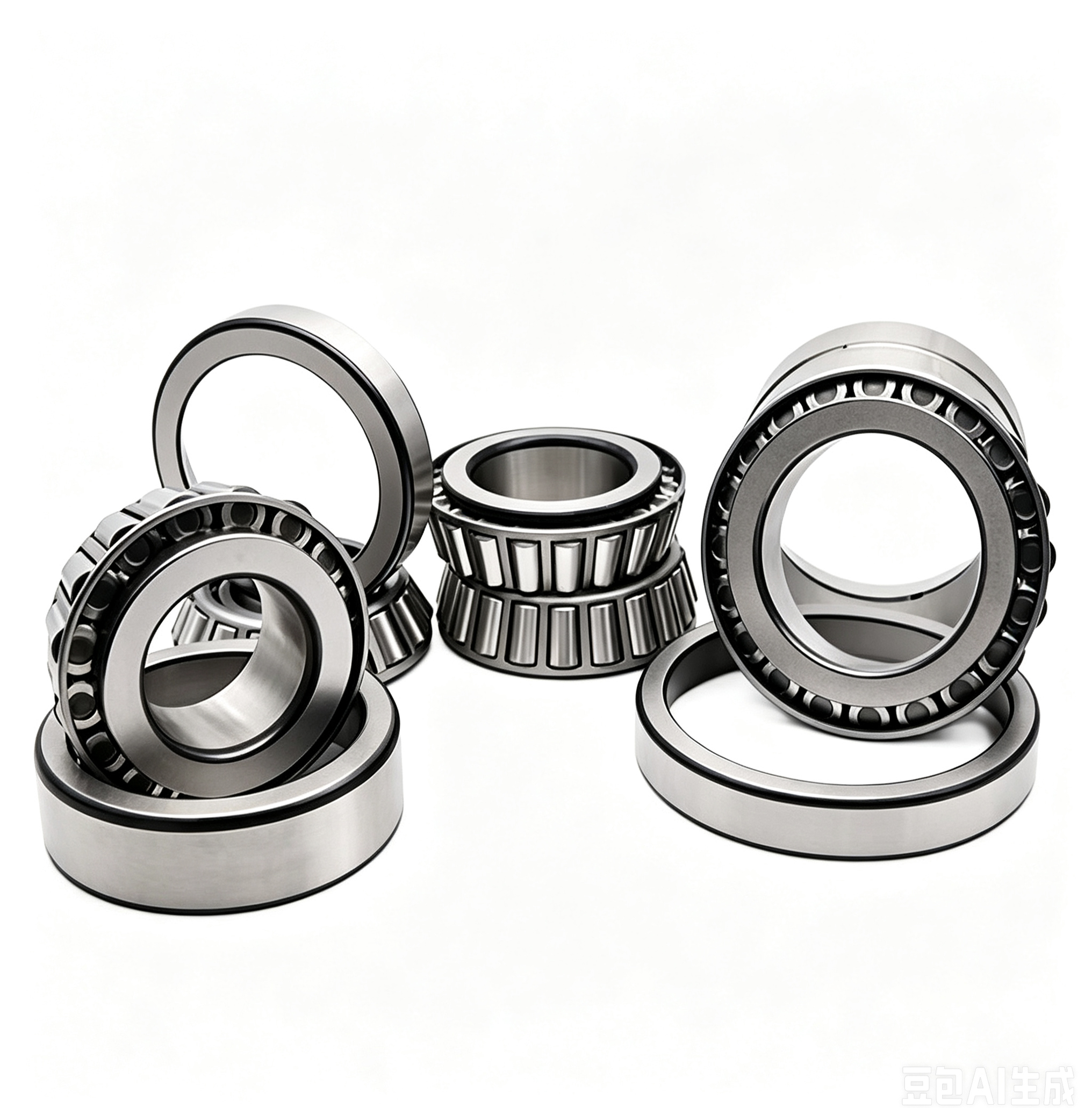
Tapered roller bearings are an important bearing design used in many heavy-duty applications, including railway equipment.
In railway systems, tapered roller bearings can be used in wheelsets, axle assemblies, and other applications where bearings must handle substantial loads and operate reliably under demanding conditions.
However, selecting a tapered roller bearing for a railway application requires more than simply matching the bearing dimensions.
What Is a Tapered Roller Bearing?
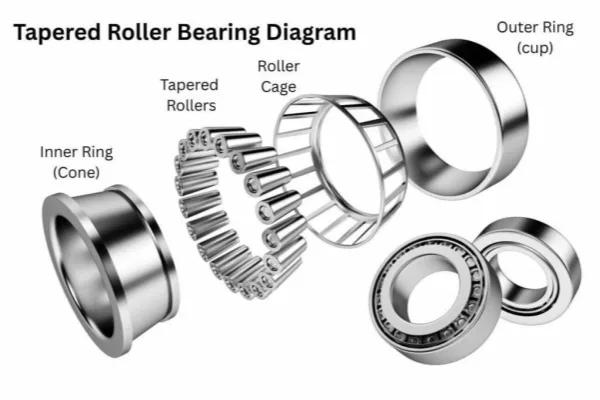
A tapered roller bearing uses tapered rollers and raceways designed to handle radial and axial loads.
The tapered geometry allows the bearing to support combined loading while maintaining controlled rolling motion.
This makes tapered roller bearings suitable for applications where both radial and axial forces need to be considered.
For railway applications, the bearing design must also match the specific wheelset, axle, speed, load, lubrication, and mounting conditions.
Why Are Tapered Roller Bearings Used in Railways?
Railway wheelsets can experience significant radial loads as well as axial forces generated during vehicle operation.
Tapered roller bearings can accommodate combined loads, making them suitable for certain railway axle and wheelset arrangements.
They can also provide high load-carrying capacity within a relatively compact bearing arrangement.
However, the exact bearing configuration depends on the railway vehicle and its engineering requirements.
Railway Wheelset Applications
One important application for tapered roller bearings is the railway wheelset.
A wheelset consists primarily of the wheels and axle. Bearings support the axle and allow the wheelset to rotate within the surrounding running gear.
In this application, the bearing needs to work together with:
Axle
Wheel
Bearing housing
Seals
Lubrication system
Mounting components
A bearing should therefore be evaluated as part of the complete wheelset system rather than as an isolated component.
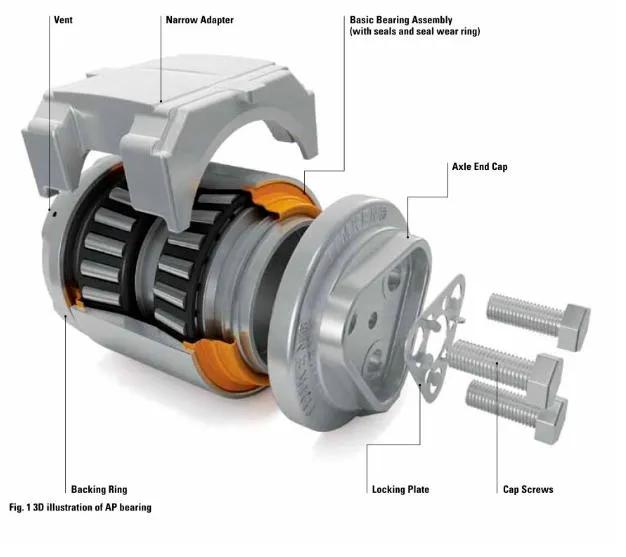
Railway Axle Applications
Tapered roller bearings may also be used in railway axle bearing arrangements.
The bearing must be selected according to the required radial and axial load capacity, operating speed, temperature, internal clearance, lubrication, and mounting conditions.
For replacement projects, the original bearing number is an important reference.
Buyers should also provide drawings or application information whenever possible to ensure that the replacement bearing matches the original engineering requirements.
Key Factors When Selecting Railway Tapered Roller Bearings
1. Load Capacity
Determine the expected radial and axial loads.
For railway applications, dynamic loading and shock conditions may also need to be considered.
2. Operating Speed
Operating speed affects friction, temperature, lubrication, and bearing performance.
The bearing should be evaluated according to the actual operating speed rather than simply its dimensional compatibility.
3. Internal Clearance
Internal clearance can influence operating temperature, vibration, and bearing performance.
The appropriate clearance depends on the bearing fit, operating temperature, load, speed, and application.
4. Lubrication
Proper lubrication is essential for tapered roller bearings.
The lubricant should be suitable for the operating temperature, speed, load, and maintenance conditions.
Insufficient, excessive, or contaminated lubricant can negatively affect bearing performance.
5. Sealing
Railway equipment may operate in environments containing water, dust, dirt, and other contaminants.
A suitable sealing arrangement can help protect the bearing and lubricant from contamination.
6. Mounting and Fit
The shaft, housing, bearing seat, and mounting tolerances should all be checked.
An incorrect fit can affect internal clearance and may contribute to creep, excessive temperature, vibration, or premature damage.
7. Railway Standards and Certification
Railway applications may have specific standards, testing requirements, traceability requirements, and customer approvals.
These requirements vary according to the vehicle, railway operator, country, and application.
Before supplying a railway tapered roller bearing, the applicable technical requirements should be confirmed.
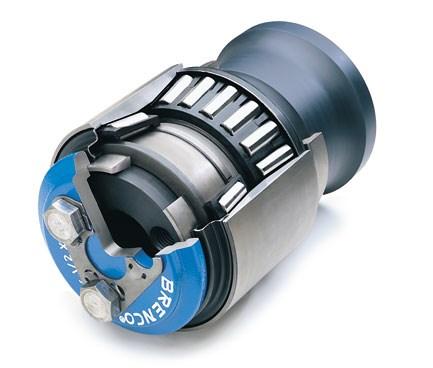
Railway Tapered Roller Bearing Replacement
When replacing a railway tapered roller bearing, do not select a replacement based only on the outside diameter or bore.
Check:
Original Part Number + Dimensions + Bearing Design + Clearance + Application + Load + Speed + Technical Requirements
If the original bearing has experienced premature failure, the cause should also be investigated.
Inspect the shaft, housing, lubrication, seals, installation condition, and operating environment before installing a replacement.
Railway Tapered Roller Bearing Supplier
For international buyers, providing complete technical information can make the sourcing process much more efficient.
A railway bearing inquiry should ideally include:
Original bearing number
Drawing or dimensions
Application
Quantity
Operating speed
Load information
Lubrication requirements
Required standards or certification
This information allows the supplier to evaluate the requirement more accurately.
Railway Bearing Solutions from DBS Bearing
DBS Bearing provides bearing sourcing and manufacturing solutions for industrial and automotive applications.
For railway-related requirements, customers can send the original bearing number, drawing, photos, dimensions, application, and quantity for evaluation.
For safety-critical railway applications, applicable standards, certification, testing, and customer approval requirements should be confirmed before supply.
The correct railway bearing starts with the correct application and technical specification.