Welcome to Linqing Xinshengdi Bearing Co., Ltd.


Railway Bearing Maintenance and Lubrication
Why Is Railway Bearing Maintenance Important?
Railway bearings operate under continuous loads, vibration, changing speeds, and different environmental conditions. Proper maintenance helps detect abnormal conditions early and supports reliable bearing performance.
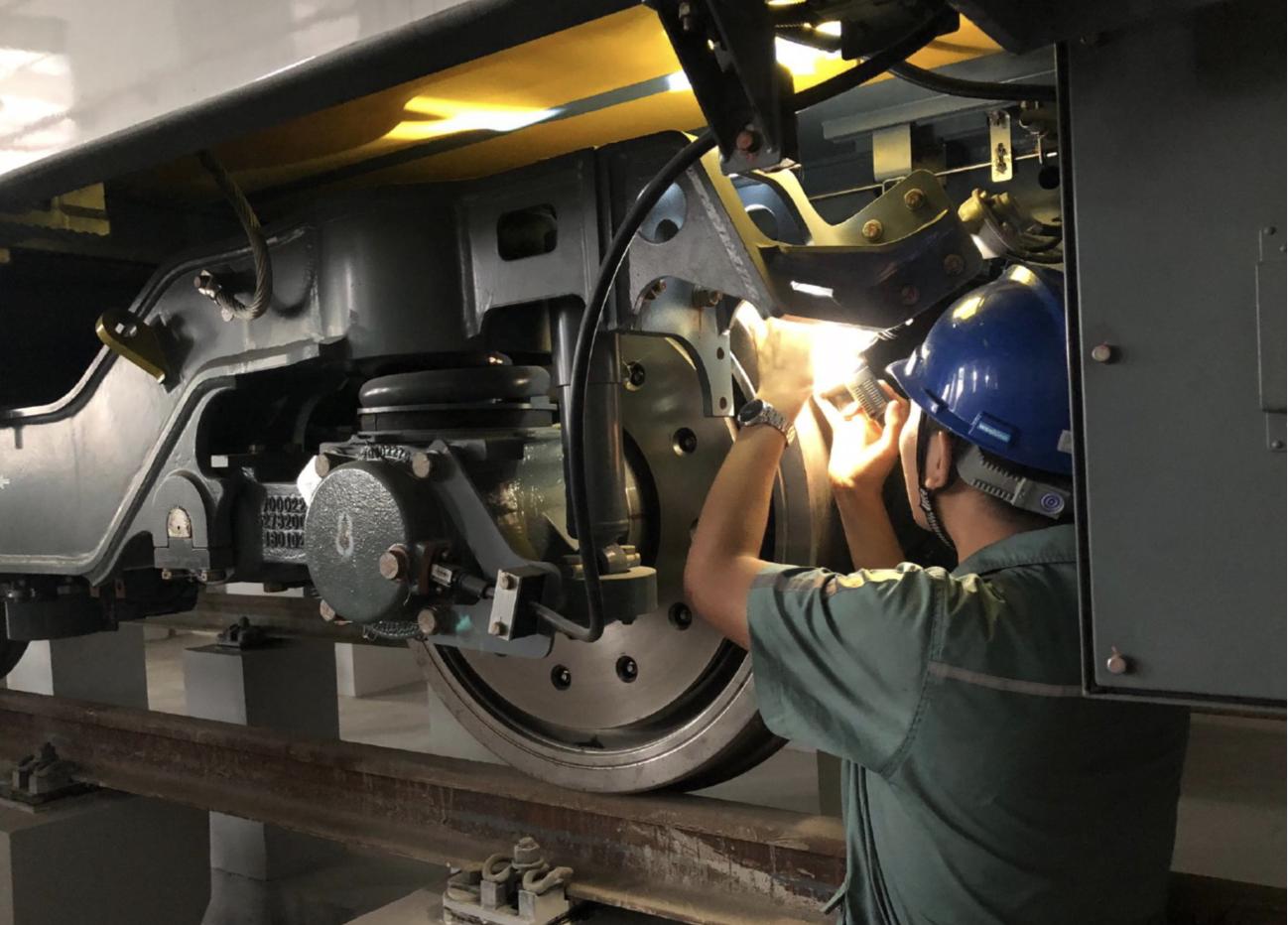
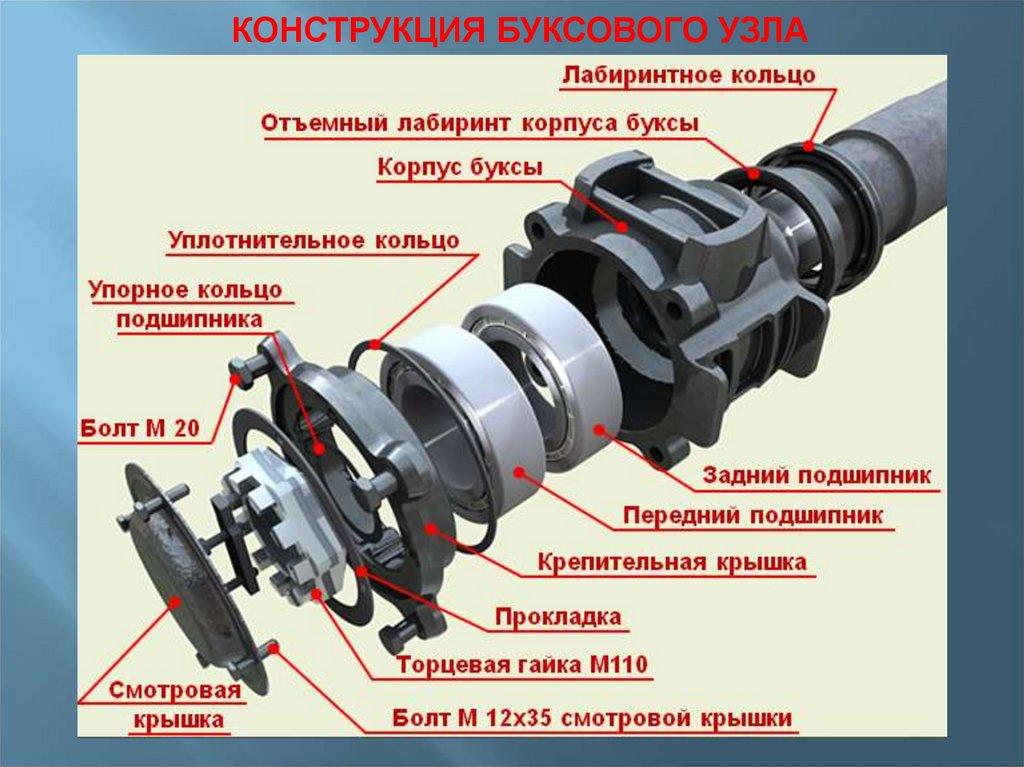
Axle box systems are particularly important because they support the wheelset and contain the bearings and lubrication system.
1. Regular Bearing Inspection
Railway bearing inspections can include checking:
Bearing temperature
Unusual noise or vibration
Lubricant condition
Sealing condition
Visible wear or damage
Axle box condition
Condition-monitoring systems can also use temperature and vibration data to help identify developing bearing problems.
2. Proper Lubrication
Lubrication reduces friction and wear between rolling elements and raceways. It also helps control heat generated during operation.
The correct lubricant depends on the bearing design, operating speed, load, temperature, and railway application. Railway axle box systems may use factory-filled and sealed bearing units, while specific applications can have different maintenance requirements.
3. Keep Contamination Under Control
Water, dust, metal particles, and other contaminants can affect bearing performance.
During inspection or maintenance, clean working conditions and proper sealing are important. Even small particles can become a problem when they enter the rolling contact area.
4. Monitor Temperature
A sudden increase in bearing temperature can indicate a potential problem such as lubrication issues, excessive load, friction, or bearing damage.
Temperature monitoring is therefore an important part of railway bearing condition monitoring.
5. Check the Bearing Before Replacement
When abnormal noise, vibration, temperature, or visible damage is detected, replacing the bearing without investigating the cause may not solve the problem.
Maintenance teams should examine the bearing, lubrication condition, seals, mounting condition, and related axle box components before selecting a replacement.
6. Select the Correct Replacement Bearing
For railway bearing replacement, buyers should provide:
Original bearing number
Bearing dimensions
Bearing type
Application
Operating speed
Load conditions
Quantity
Required technical standards
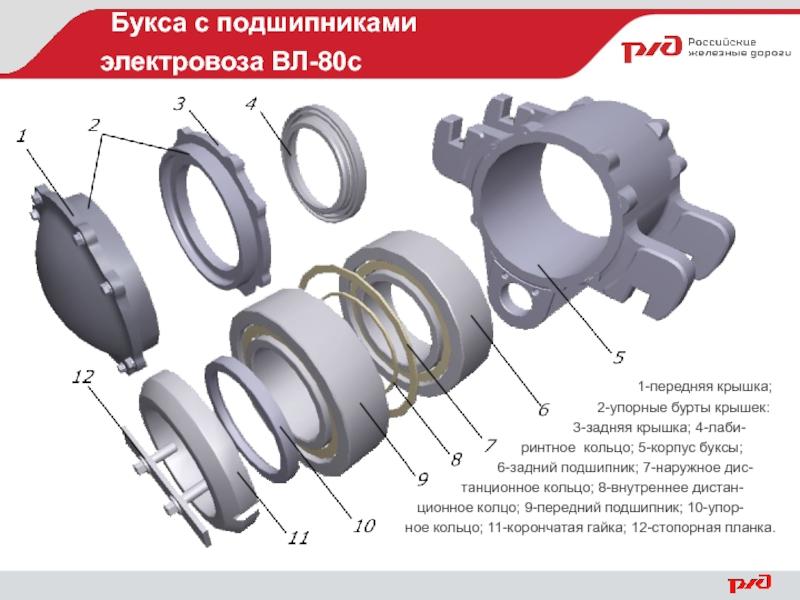
Railway axle box bearing designs can vary significantly according to vehicle type and operating requirements, so replacement bearings should be matched to the original application rather than selected by dimensions alone.
Conclusion
Proper railway bearing maintenance combines inspection, lubrication, contamination control, temperature monitoring, and correct replacement procedures.
For railway axle box bearing projects, providing the original part number, drawing, dimensions, or application information can help suppliers evaluate the required bearing more accurately.
DBS Bearing provides bearing sourcing and supply solutions for industrial and automotive applications. Contact us with your bearing number or technical requirements for a product evaluation.