Welcome to Linqing Xinshengdi Bearing Co., Ltd.


Railway Bearing Failure: Causes and Prevention
What Causes Railway Bearing Failure?
Railway bearings operate under heavy loads, vibration, speed changes, and demanding environmental conditions. When a bearing is incorrectly selected, installed, lubricated, or maintained, premature damage may occur.
Understanding common railway bearing failure causes can help maintenance teams identify problems earlier and reduce unexpected downtime.
1. Insufficient or Incorrect Lubrication
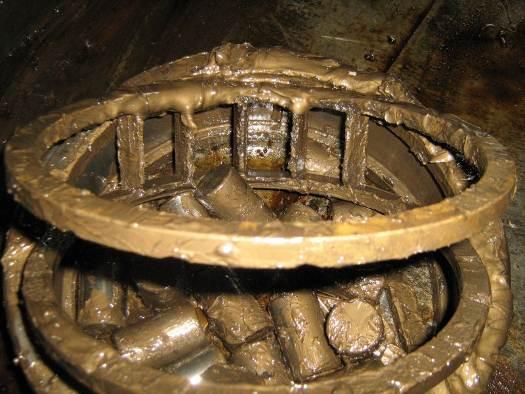
Lubrication reduces friction and helps control bearing temperature. Insufficient lubricant, incorrect lubricant selection, contamination, or degraded lubricant can increase friction and accelerate wear.
For railway applications, the lubrication method and lubricant should match the bearing design and operating conditions.
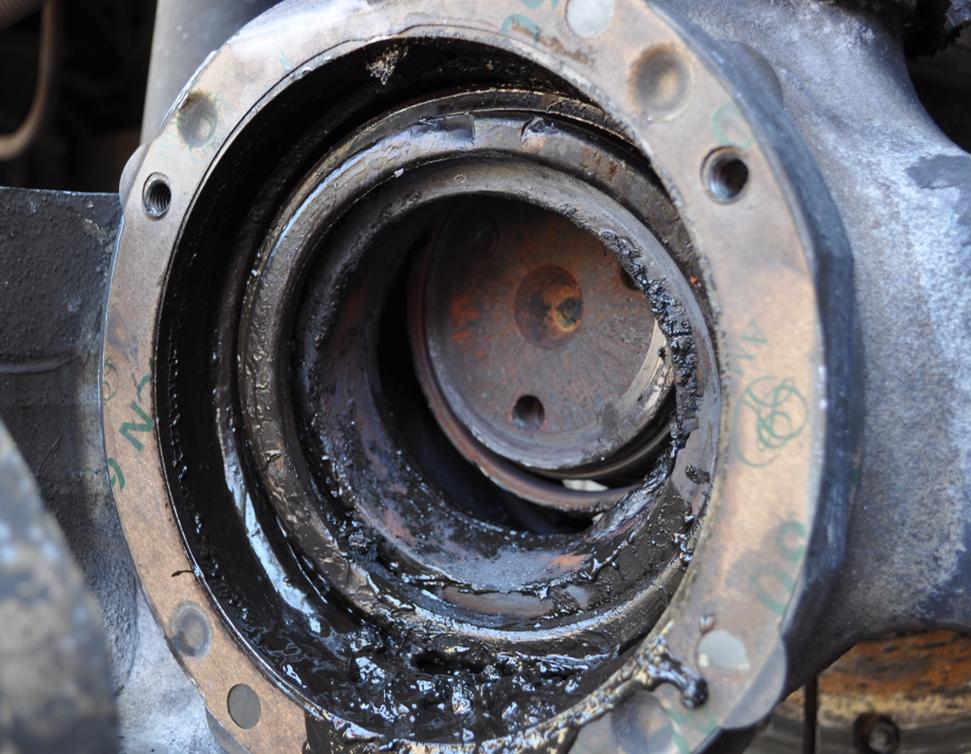
2. Contamination
Dust, water, metal particles, and other contaminants can damage bearing raceways and rolling elements.
Effective sealing, clean installation procedures, and proper maintenance can help reduce contamination-related damage.
3. Excessive Load
Railway bearings are designed for specific operating loads. Excessive radial or axial loads can increase contact stress and accelerate fatigue or deformation.
When replacing a bearing, the actual operating conditions should be considered rather than selecting a bearing based only on dimensions.
4. Incorrect Mounting
Improper mounting can cause excessive preload, insufficient fit, misalignment, or damage to the bearing components.
Mounting procedures should follow the bearing manufacturer's technical requirements and the railway equipment design.
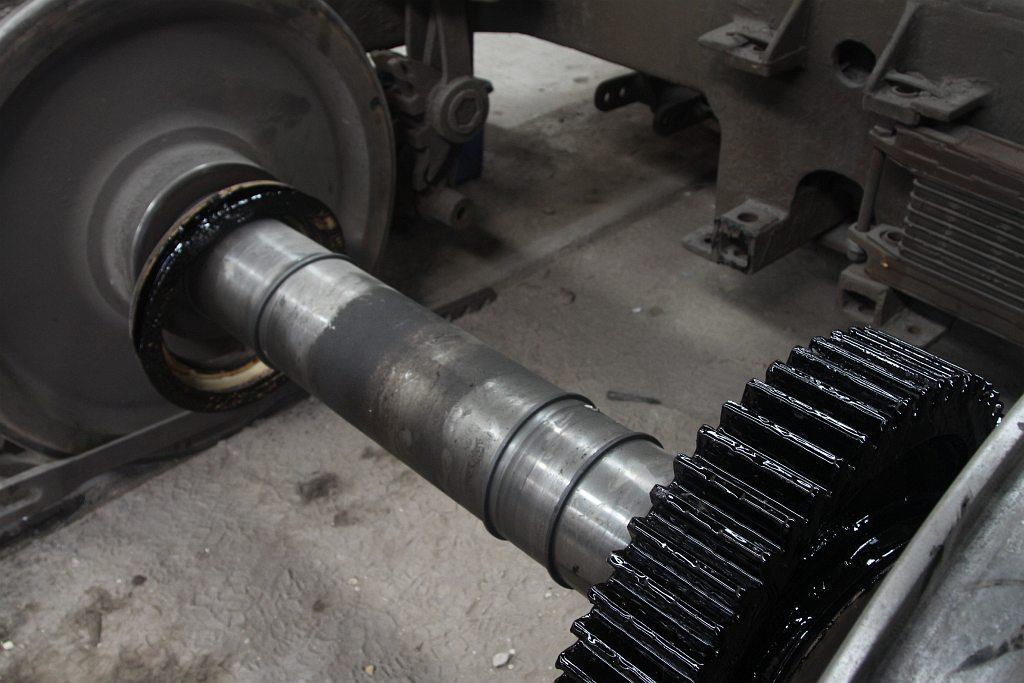
5. Bearing Fatigue
Rolling bearings have a finite fatigue life. Repeated loading can eventually produce fatigue damage on raceways or rolling elements.
Operating conditions, load, speed, lubrication, and bearing quality all affect service life.
6. Excessive Temperature
Abnormally high temperatures may indicate lubrication problems, excessive load, incorrect clearance, sealing issues, or other operating problems.
Temperature monitoring can therefore be useful for detecting potential bearing problems before serious damage occurs.
How to Reduce Railway Bearing Failures
A practical railway bearing maintenance program should include:
Correct bearing selection
Proper mounting procedures
Suitable lubrication
Regular inspection
Contamination control
Temperature monitoring
Vibration or condition monitoring where appropriate
Timely bearing replacement
When a bearing shows unusual noise, vibration, temperature, or visible damage, the cause should be investigated before installing a replacement bearing.
Choosing Replacement Railway Bearings
For railway bearing replacement, buyers should provide as much technical information as possible, including the original bearing number, dimensions, application, operating speed, load conditions, and required quantity.
For safety-critical railway applications, applicable technical standards and certification requirements should also be verified before purchasing.
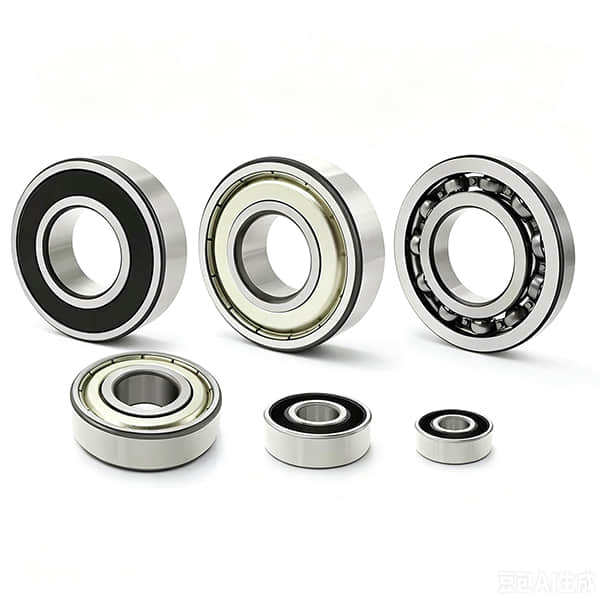
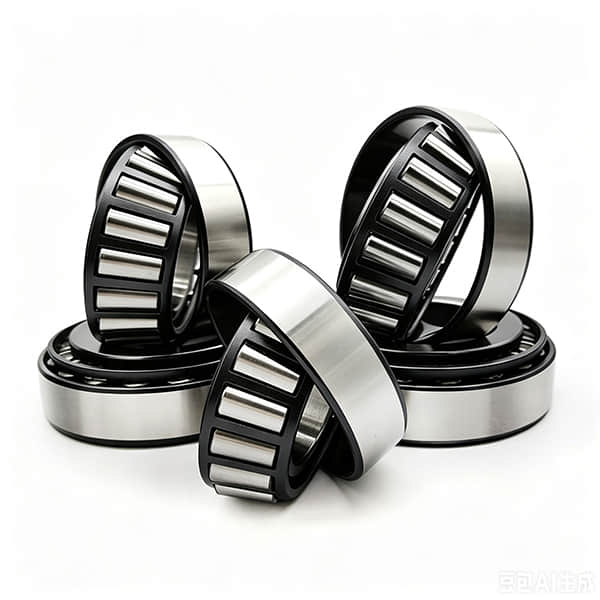
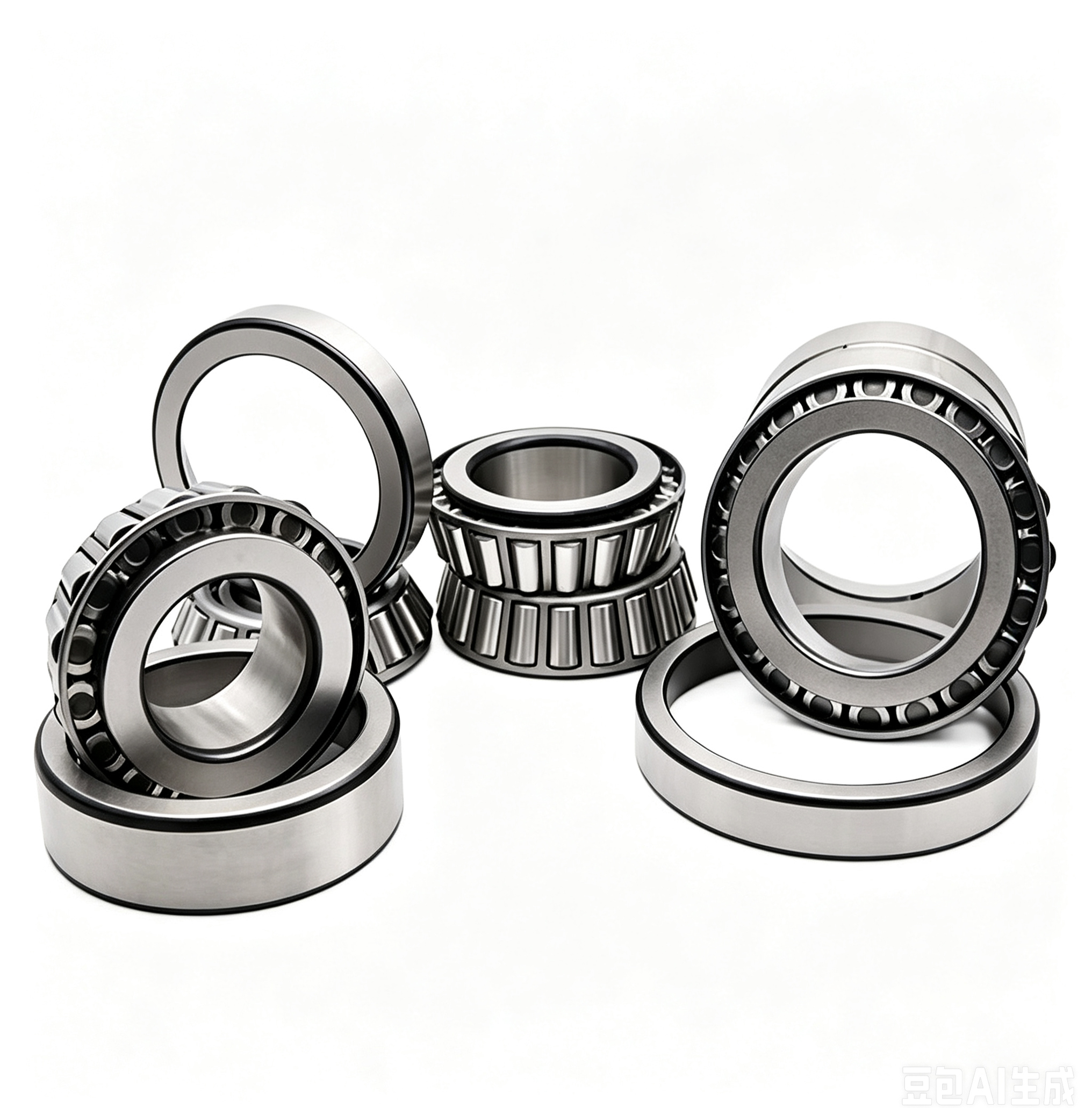
DBS Bearing supplies a range of bearing solutions for industrial and automotive applications, including tapered roller bearings, deep groove ball bearings, wheel hub bearings, and other customized bearing solutions.
For a railway bearing replacement project, contact DBS Bearing with the original bearing number, drawing, or technical specifications for evaluation.
Conclusion
Railway bearing failure can result from lubrication problems, contamination, excessive loads, incorrect mounting, fatigue, temperature, or other operating conditions.
Identifying the root cause is important before replacing a damaged bearing. Proper selection, installation, lubrication, and maintenance can help improve bearing reliability and service life.