Welcome to Linqing Xinshengdi Bearing Co., Ltd.


Railway Bearing Condition Monitoring
What Is Railway Bearing Condition Monitoring?
Railway bearing condition monitoring is the process of tracking the operating condition of bearings to identify abnormal changes before they develop into serious failures.
Railway axle bearings operate under heavy loads, vibration, changing speeds, and varying environmental conditions. Monitoring their condition can help maintenance teams identify potential problems and plan inspections or replacement more effectively.
Why Monitor Railway Bearings?
A damaged bearing can affect train operation and may require unplanned maintenance. Traditional inspection methods can identify visible damage, but monitoring operating data provides another way to identify changes during service.
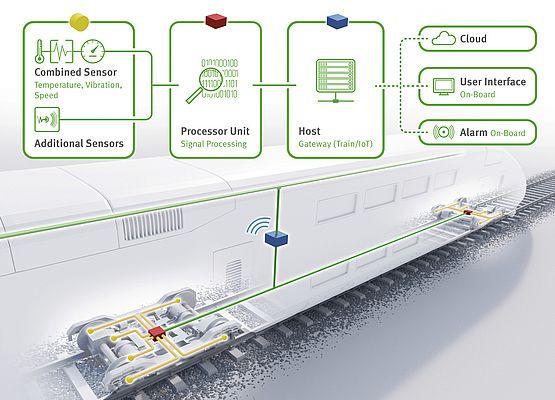
Modern railway bearing monitoring can use temperature, vibration, acoustic signals, and other operating information to evaluate bearing condition.
1. Temperature Monitoring
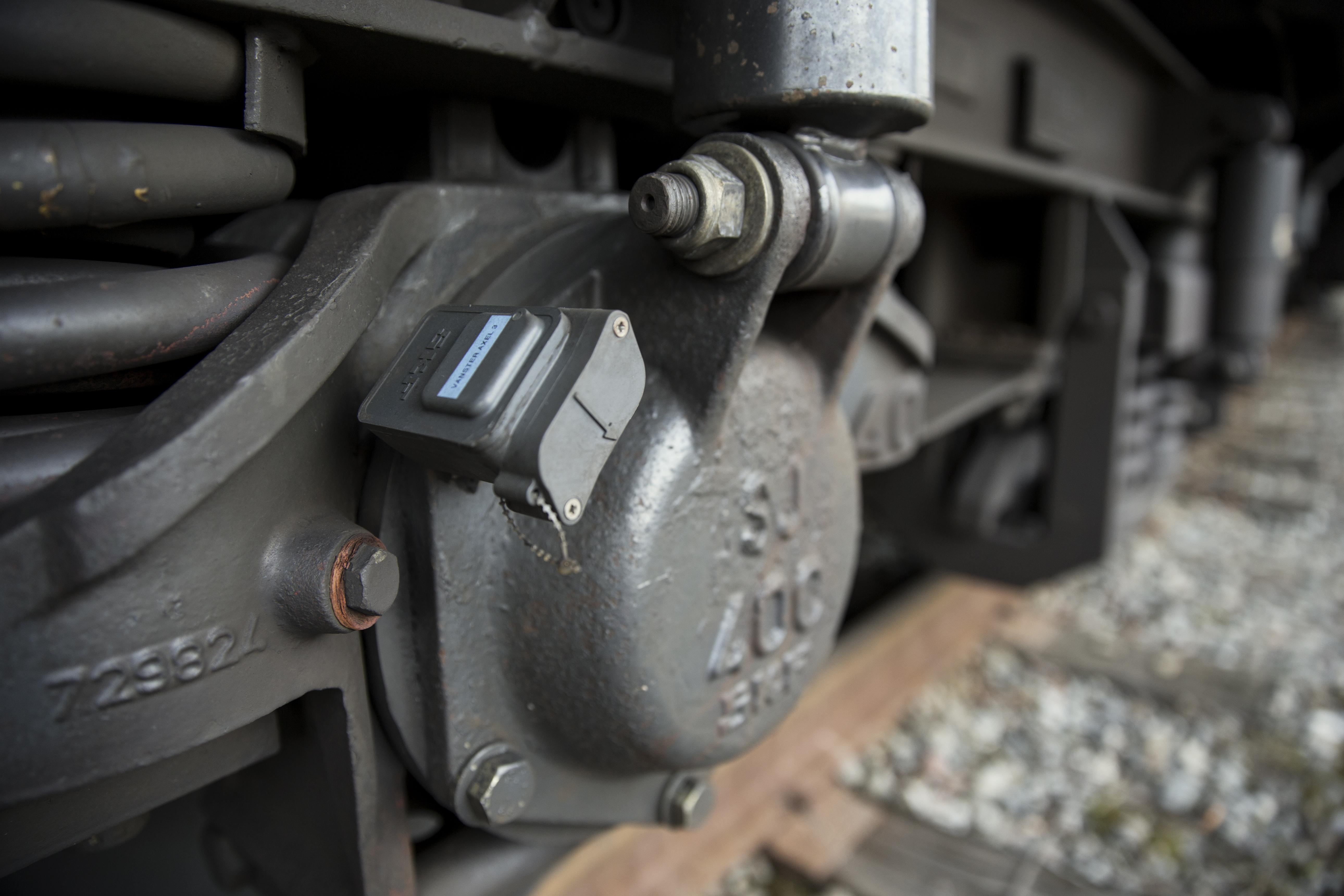
Temperature is one of the important parameters used for railway axle bearing monitoring.
An abnormal increase in axle box temperature may indicate problems related to lubrication, friction, bearing damage, or other operating conditions. Trackside hot axle box detectors are also used in railway systems to identify abnormal axle box temperatures.
However, temperature should be interpreted together with operating conditions rather than used as the only indicator of bearing health.
2. Vibration Monitoring
Bearing defects can change the vibration characteristics of a rotating system.
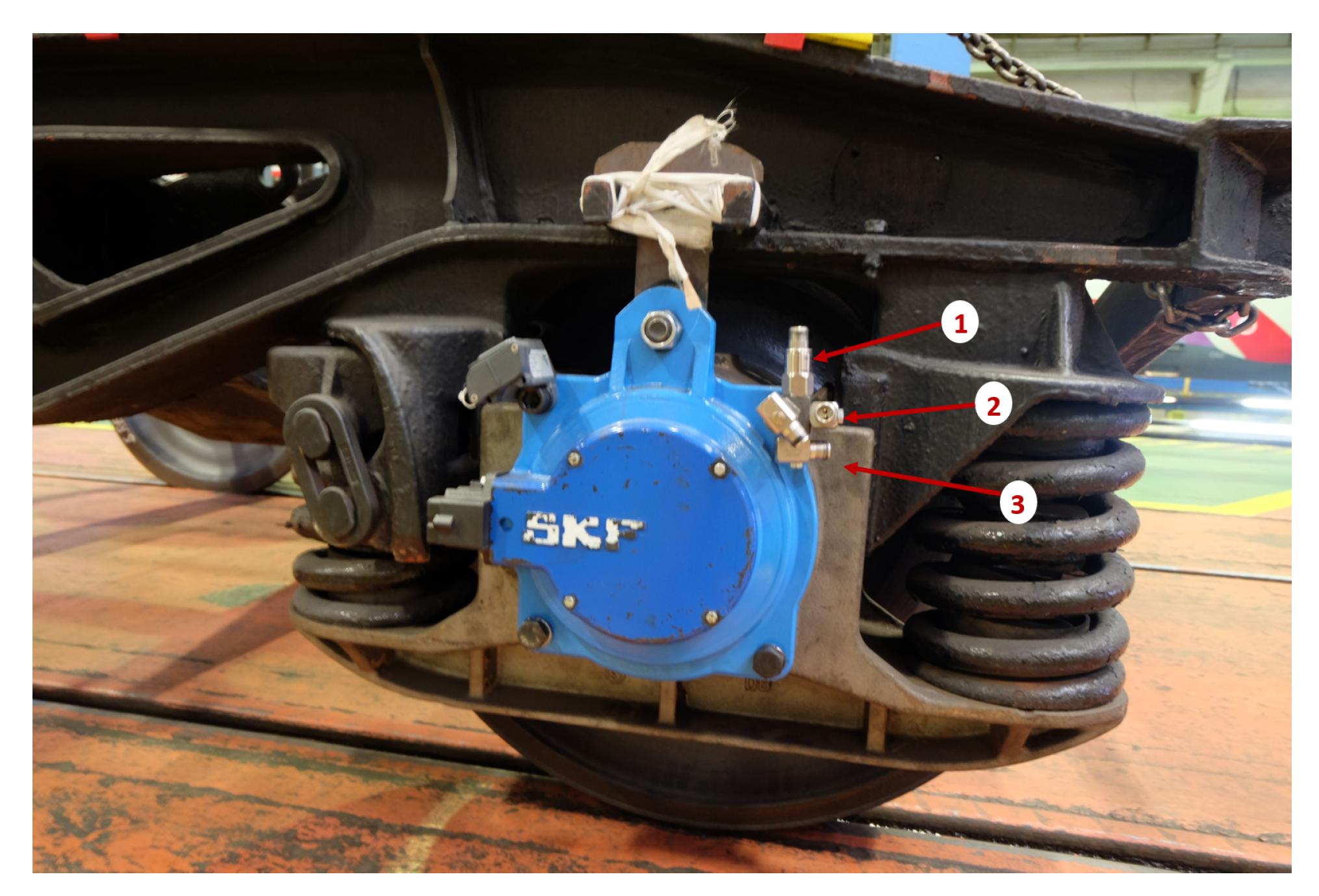
Vibration sensors can be installed on or around the axle box to collect signals from the bearing and wheelset. These signals can then be analyzed to identify abnormal conditions.
Research and industrial monitoring systems have demonstrated the use of vibration measurements for detecting railway axle bearing defects.
3. Acoustic Monitoring
Noise and acoustic signals can also provide information about bearing condition.
Changes in the noise generated by rolling elements and raceways may indicate developing defects. Acoustic monitoring is therefore another method being
studied and applied alongside temperature and vibration monitoring.
4. Onboard and Wayside Monitoring
Railway bearing monitoring can generally be divided into two approaches.
Onboard monitoring uses sensors installed on the train, such as sensors around the axle box, to collect operating data continuously or periodically.
Wayside monitoring uses equipment installed beside the track to inspect passing trains. Hot axle box detectors are one example of wayside monitoring technology.
Each approach has different applications, installation requirements, and data-analysis methods.
What Can Condition Monitoring Detect?
Depending on the monitoring system, collected data may help identify:
Abnormal temperature
Bearing vibration changes
Lubrication-related problems
Rolling contact damage
Raceway defects
Bearing wear
Developing bearing faults
Early detection can help maintenance teams investigate the cause before a minor problem develops into more serious damage.
How Does Monitoring Support Predictive Maintenance?
Instead of relying only on fixed replacement intervals, condition monitoring allows maintenance teams to use operating data when assessing bearing condition.
For railway operators, this can support maintenance planning, inspection scheduling, and bearing replacement decisions.
The exact monitoring strategy should be matched to the train type, bearing design, operating conditions, and applicable technical requirements.
Choosing Bearings for Monitored Railway Applications
When sourcing replacement railway bearings, monitoring requirements should also be considered.
Buyers should provide:
Original bearing number
Bearing type
Dimensions
Axle box application
Operating speed
Load conditions
Lubrication method
Required quantity
Applicable technical standards
For safety-critical railway applications, the required standards and certifications should be confirmed before purchasing.
DBS Bearing provides bearing sourcing and supply solutions for industrial and automotive applications. For a specific railway bearing requirement, customers can send the original part number, drawing, or technical specifications for evaluation.
Conclusion
Railway bearing condition monitoring combines operating data such as temperature, vibration, and acoustic signals to help identify abnormal bearing conditions.
For railway axle box systems, combining condition monitoring with proper lubrication, inspection, and replacement procedures can provide a more systematic approach to bearing maintenance.