Welcome to Linqing Xinshengdi Bearing Co., Ltd.


Custom Non-Standard Bearings:Ordering Guide
How to Order Custom Non-Standard Bearings
Standard bearings cover many industrial applications, but not every machine can use a catalog bearing. Some equipment requires special dimensions, modified internal structures, or specific materials and operating characteristics.
In these situations, custom non-standard bearings can provide a solution when standard bearing models do not meet the equipment's technical requirements.
For industrial buyers, maintenance companies, and equipment manufacturers, understanding the custom bearing ordering process helps reduce technical misunderstandings, unnecessary sampling costs, and production delays.For example, some specialized heavy-duty bearing applications require designs beyond conventional catalog specifications. Buyers can explore the DBS Bearing 532488 specialized bearing page for a product example.
1. What Are Non-Standard Bearings?
Non-standard bearings are bearings with specifications or designs that differ from commonly available catalog products.
Depending on the application, customization may involve:
Special bore or outside diameters
Non-standard bearing widths
Modified internal structures
Different cage materials or designs
Special sealing arrangements
Application-specific lubrication
Special clearance or tolerance requirements
Not every customized bearing requires an entirely new design. Some projects involve modifications to an existing bearing structure, while others require a more comprehensive technical evaluation.
2. Provide a Technical Drawing or Sample
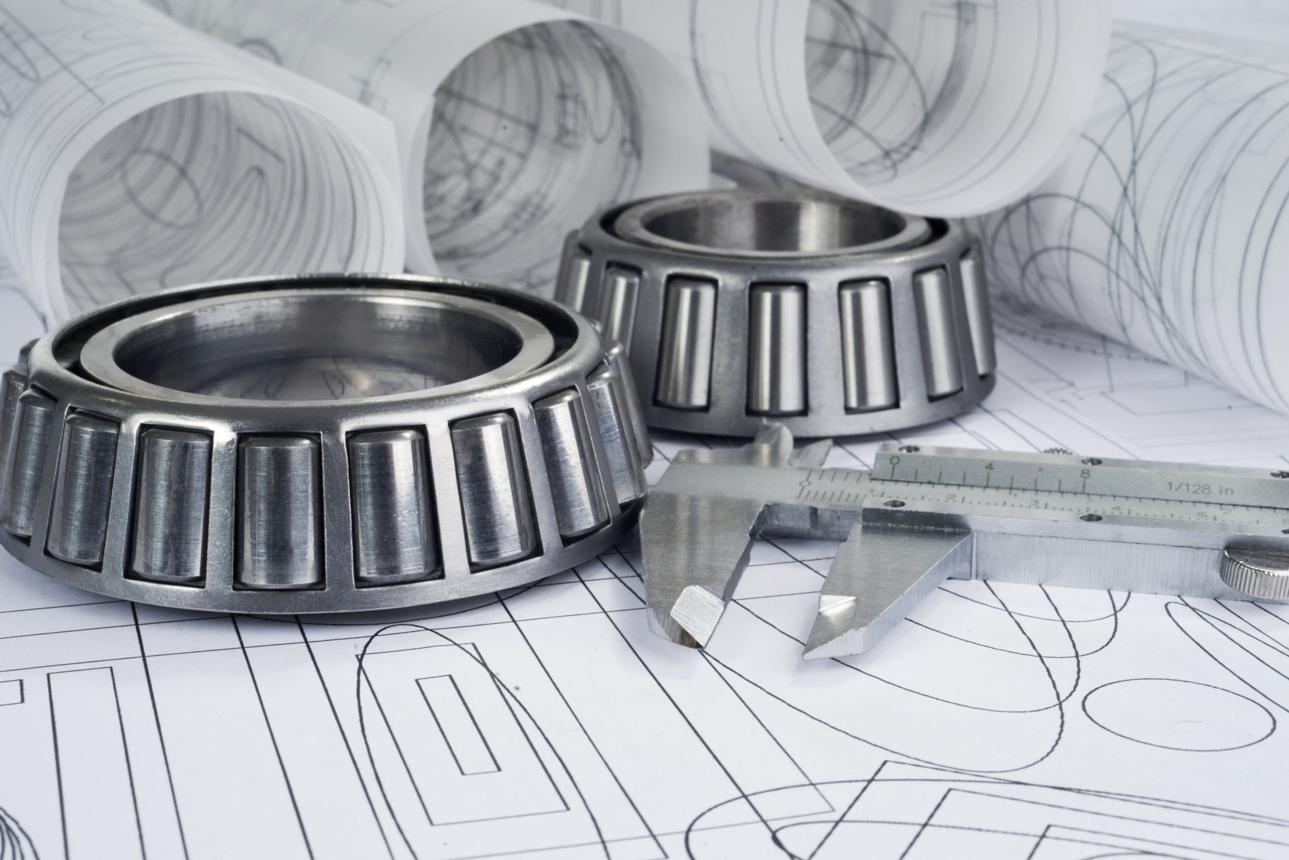
The most efficient way to start a custom bearing inquiry is to provide a complete technical drawing.
A useful drawing should include the main dimensions, tolerances, bearing structure, materials, and any special technical requirements.
If a drawing is unavailable, a physical sample may help the supplier evaluate the existing design.
However, a worn or damaged sample may not accurately represent the original bearing dimensions. Critical specifications should therefore be verified before manufacturing.
3. Confirm the Operating Conditions
Dimensions alone are not enough to determine whether a custom bearing will perform correctly.
Buyers should provide information about:
Radial and axial loads
Operating speed
Working temperature
Lubrication method
Dust, moisture, or contamination exposure
Shaft and housing arrangements
Expected service conditions
These details help determine whether the proposed bearing structure and materials are suitable for the intended application.
4. Review Materials and Bearing Components
Bearing performance depends on more than the dimensions of its rings.
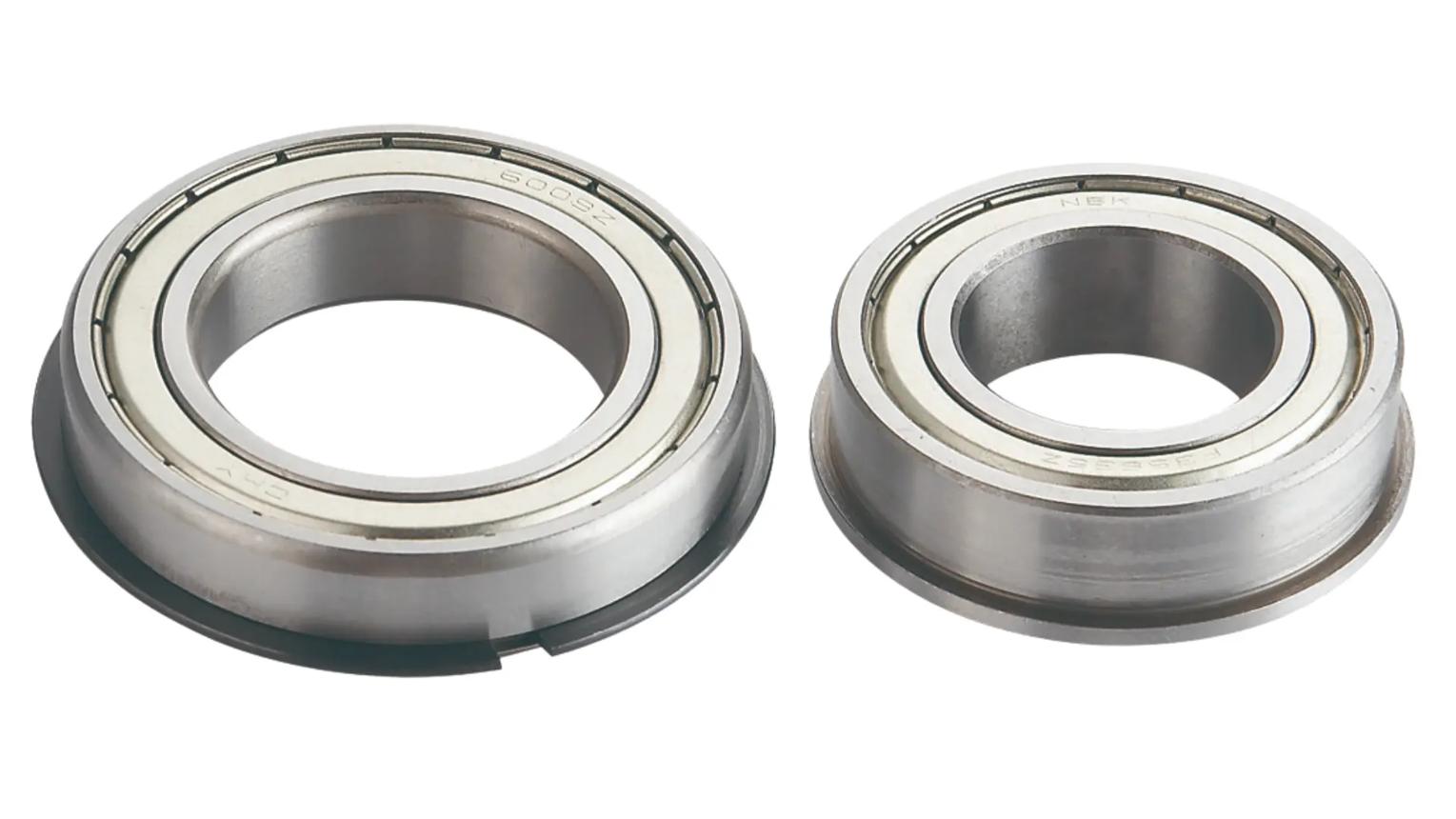
Depending on the application, the technical review may cover bearing steel, heat treatment, rolling elements, cage material, seals, and lubrication.
For example, GCr15 bearing steel is commonly used for many conventional bearing applications, but special operating environments may require different materials or technical specifications.
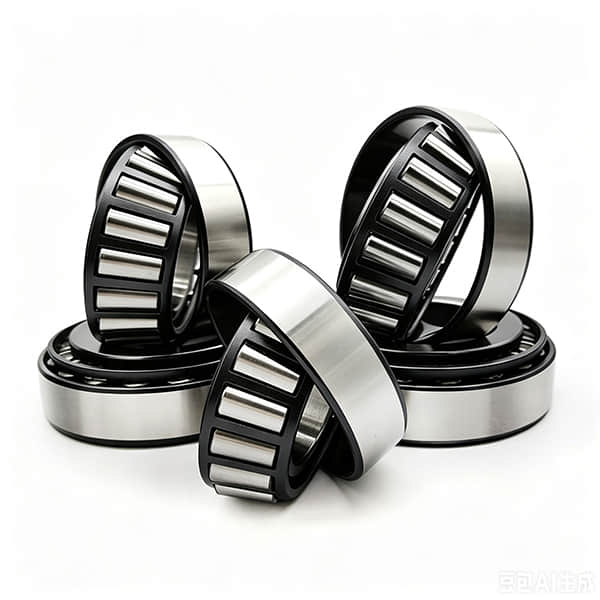
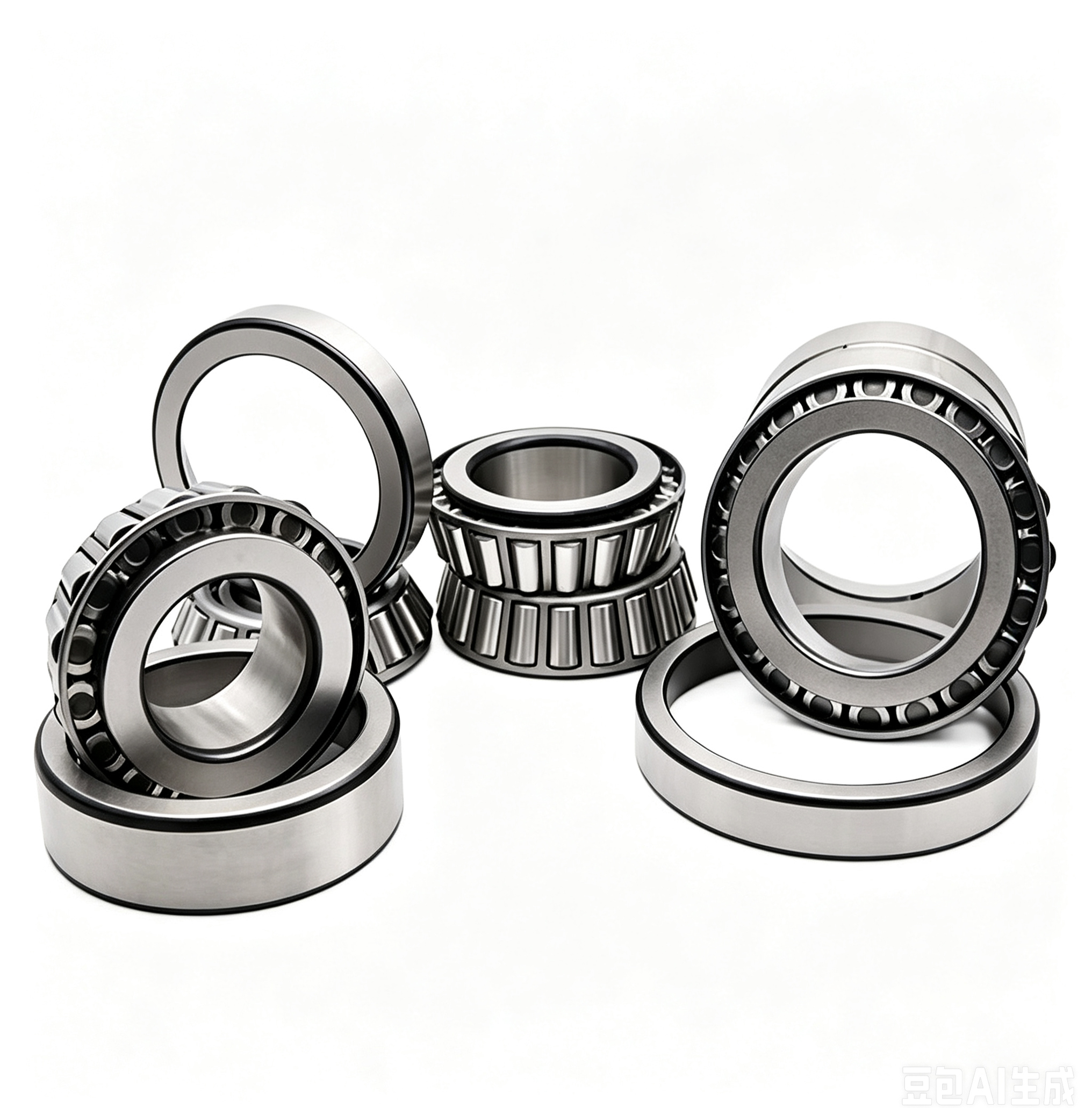
Depending on the application, buyers may also need to compare standard tapered roller bearings with special designs.
5. Evaluate Samples Before Bulk Production
For a new non-standard bearing design, sample evaluation is an important stage.
A practical development process may include:
Technical requirement review
Drawing and specification confirmation
Sample manufacturing
Dimensional and functional inspection
Customer sample evaluation
Final specification approval
Batch production
For demanding applications, additional testing or customer-specific approval procedures may be required.
Approving the sample before starting bulk production can help reduce the risk of manufacturing an unsuitable bearing in large quantities.
6. Confirm Quality and Delivery Requirements
Before placing a custom bearing order, buyers should confirm the agreed inspection requirements, production quantity, delivery schedule, marking, and packaging.
The supplier should also clarify whether any special tooling, testing, or production preparation is required.
For more guidance on evaluating inspection, product range, and customization capabilities, read our bearing supplier evaluation guide.
7. Custom Bearing Solutions from DBS Bearing
DBS Bearing supports sourcing and production coordination for industrial and automotive bearings, including tapered roller bearings and inch tapered roller bearings. For special equipment, we can also evaluate custom slewing bearing solutions based on drawings, dimensions, samples, and application requirements.
Through our bearing assembly capabilities and manufacturing supply network, we can evaluate non-standard bearing inquiries based on customer drawings, samples, and technical requirements.
Our services can include:
Bearing specification review
Custom bearing sourcing and production coordination
Sample arrangement
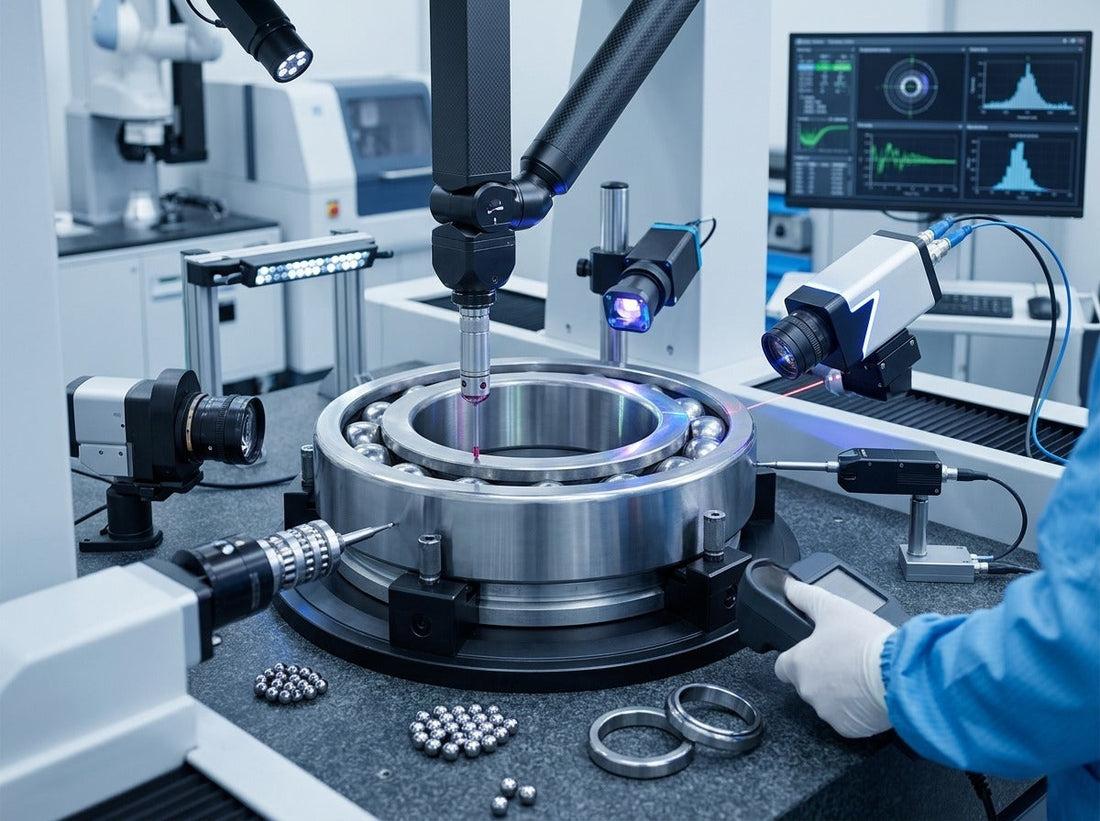
Dimensional and appearance inspection
OEM marking and packaging options
International order coordination
All custom bearing projects are subject to technical and production feasibility confirmation.
Request a Custom Bearing Quotation
Looking for a non-standard bearing that is difficult to source?
Send us your bearing drawing, original model number, sample photographs, required quantity, and application details. Contact DBS Bearing to discuss your project and request a quotation.
DBS Bearing — Your Reliable Bearing Solution Partner
Website: https://www.dbsbearing.com/