Welcome to Linqing Xinshengdi Bearing Co., Ltd.


How to Identify Bearing Failure Early
Bearing failure rarely happens without warning.
Before a bearing stops working completely, it may show signs such as abnormal noise, increased vibration, temperature rise, lubrication problems, or visible surface damage.
Identifying these signs early can help prevent unexpected machine downtime and costly repairs.
1. Abnormal Bearing Noise
Unusual noise is one of the easiest warning signs to notice.
A healthy bearing normally produces relatively consistent operating noise. Grinding, clicking, knocking, or irregular sounds may indicate contamination, insufficient lubrication, damaged rolling elements, or raceway damage.
However, noise should always be evaluated together with other operating conditions rather than used as the only diagnostic method.

2. Increased Vibration
Excessive vibration can indicate a problem with the bearing or the surrounding machine.
Possible causes include:
Raceway damage
Rolling element damage
Incorrect installation
Shaft misalignment
Excessive clearance
Imbalance
Contamination
Regular vibration monitoring can help identify changes before serious bearing damage occurs.
3. Abnormal Temperature
A sudden increase in bearing temperature should not be ignored.
Possible causes include excessive preload, incorrect bearing fit, insufficient lubrication, excessive load, or inadequate cooling.
Temperature should be monitored during normal operation so that unusual changes can be identified quickly.
4. Lubrication Problems
Lubrication plays an important role in bearing performance.
Too little lubricant can increase friction and wear, while excessive grease can also cause temperature to rise, particularly at higher speeds.
Contaminated or degraded lubricant may contain metal particles, dirt, moisture, or other contaminants.
Regular inspection of lubrication conditions can therefore provide valuable information about bearing health.

5. Visible Bearing Damage
During maintenance or replacement, inspect the bearing carefully.
Common signs of damage include:
Pitting
Spalling
Scoring
Rust
Discoloration
Cracks
Fretting marks
Cage damage
The location and appearance of the damage can help identify the possible cause of failure.
6. Check the Shaft and Housing
A bearing does not operate independently from the machine.
A damaged shaft, worn housing, incorrect tolerance, or poor alignment can cause a new bearing to fail prematurely.
For this reason, replacing the bearing alone may not solve the problem.
Before installing a replacement bearing, inspect the shaft, housing, mounting surfaces, seals, and lubrication system.

7. Don't Wait Until the Bearing Stops
A bearing that has completely seized or failed may already have caused secondary damage to other components.
Early inspection provides an opportunity to:
Replace the bearing during planned maintenance
Check the cause of the problem
Protect the shaft and housing
Reduce unexpected downtime
Improve equipment reliability
For critical machinery, condition monitoring and regular inspection can be particularly valuable.
Choose the Right Bearing Replacement
When replacing a damaged bearing, do not automatically select a new bearing based only on the old model number.
Check the bearing type, dimensions, load, speed, operating temperature, internal clearance, sealing arrangement, lubrication, and mounting conditions.
If the original bearing failed prematurely, understanding why it failed is just as important as finding its replacement.
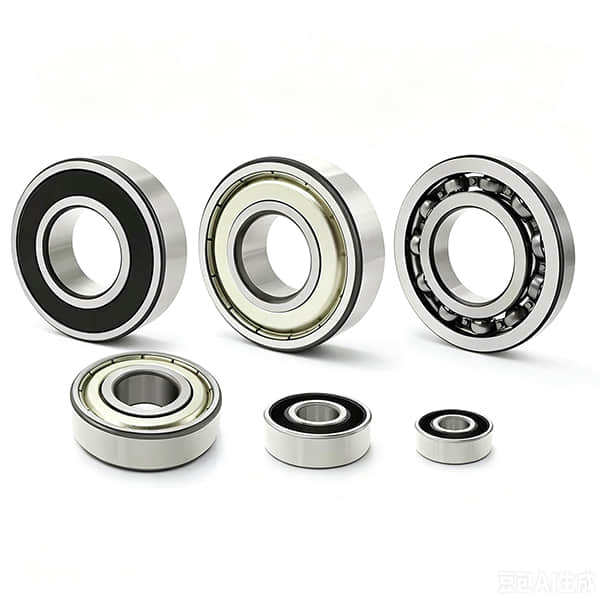
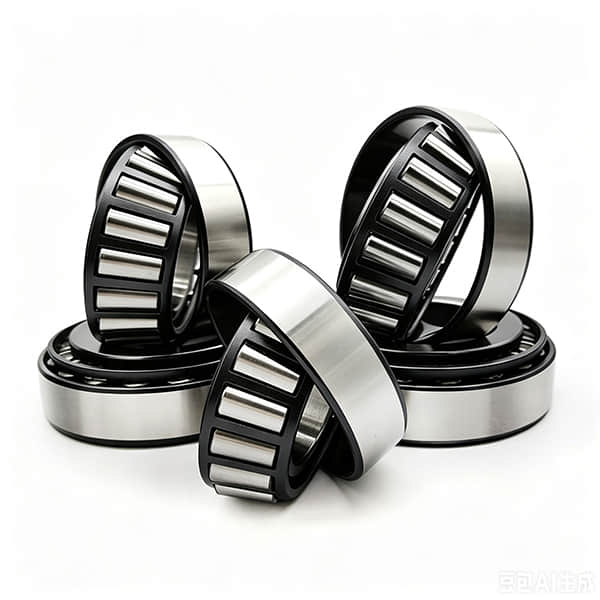
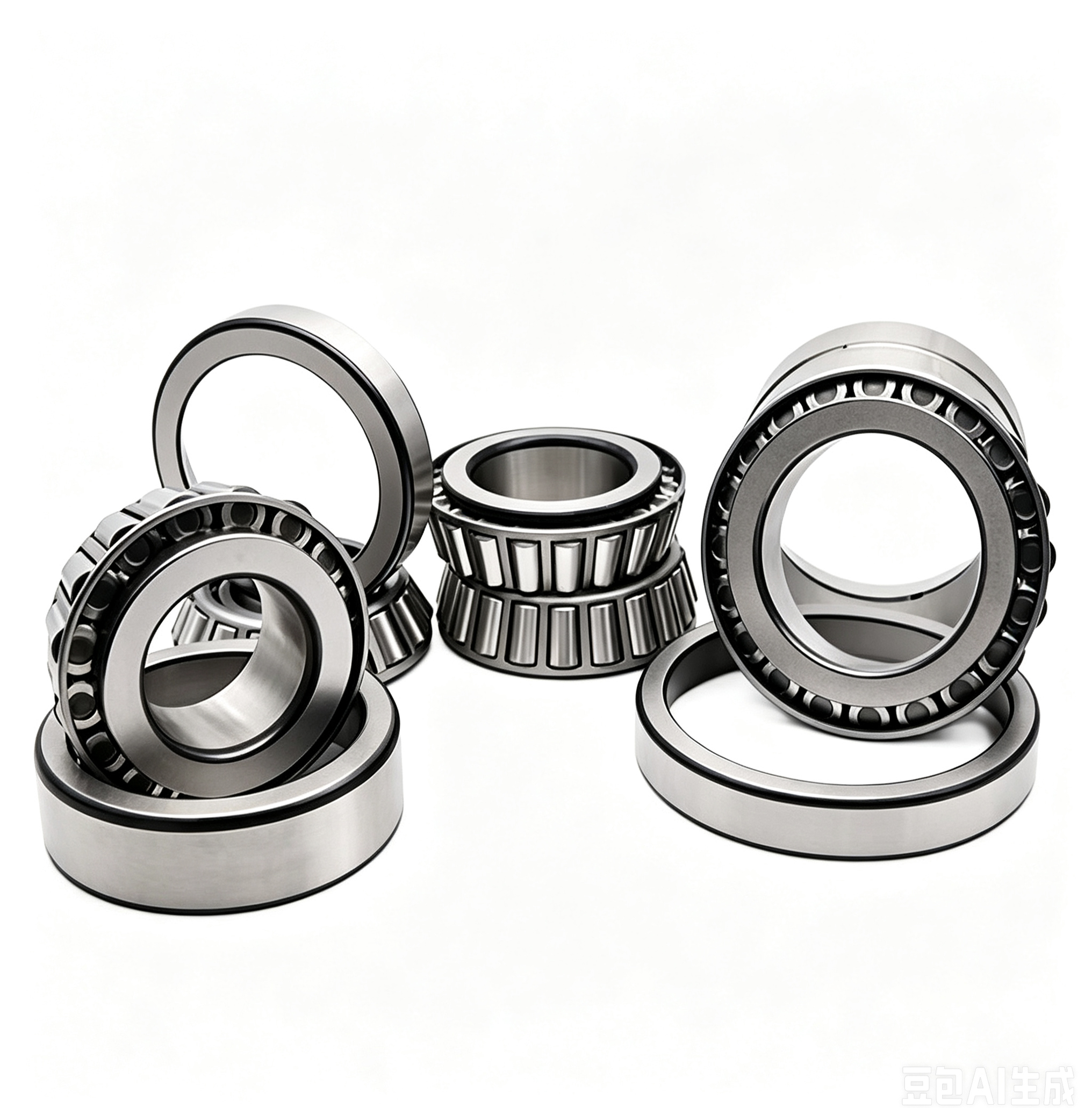
DBS Bearing supplies bearing solutions for industrial and automotive applications, including deep groove ball bearings, tapered roller bearings, wheel hub bearings, pillow block bearings, and other bearing products.
Detect the warning signs early. Prevent the failure before it stops your machine.