Welcome to Linqing Xinshengdi Bearing Co., Ltd.


Choose the Right Bearing for Your Application
Choosing the right bearing is not simply about finding a bearing with the correct dimensions.
A reliable bearing selection should consider the application, load, speed, temperature, mounting conditions, lubrication, and expected service life.
Using the wrong bearing type or specification can result in excessive vibration, overheating, premature wear, and unexpected downtime.

1. Identify the Bearing Load
Load is one of the first factors to consider.
Determine whether the application mainly produces:
Radial load
Axial load
Combined radial and axial load
Shock or impact load
For example, deep groove ball bearings are widely used for radial loads and moderate axial loads, while tapered roller bearings are well suited to applications involving combined radial and axial loads.
2. Check the Operating Speed
Bearing speed also affects the selection.
High-speed applications require careful consideration of bearing design, lubrication, internal clearance, cage material, and operating temperature.
A bearing suitable for a low-speed industrial machine may not be the best choice for a high-speed motor or gearbox.
3. Consider Operating Temperature
Temperature can change bearing clearance, lubricant performance, and material properties.
For applications with elevated operating temperatures, the bearing material, lubricant, seals, cage, and internal clearance should all be evaluated.
For example, a standard bearing specification may not be suitable for continuous high-temperature operation.

4. Choose the Correct Bearing Type
Different bearing designs solve different problems.
Common bearing types include:
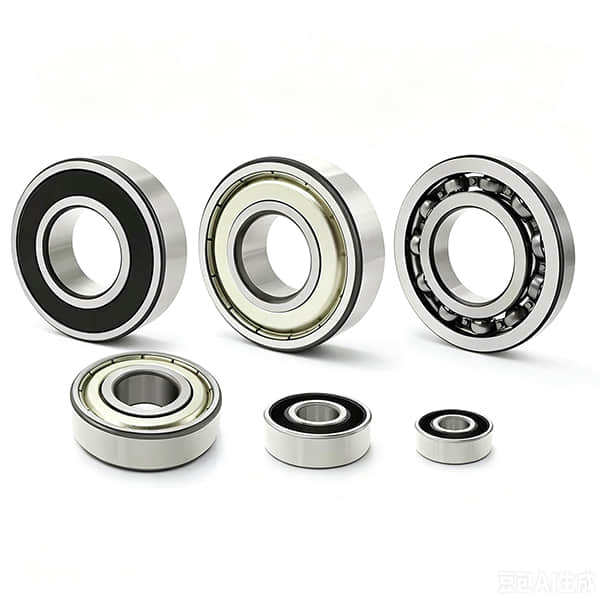
Deep Groove Ball Bearings
Suitable for a wide range of industrial equipment, motors, pumps, and general machinery.
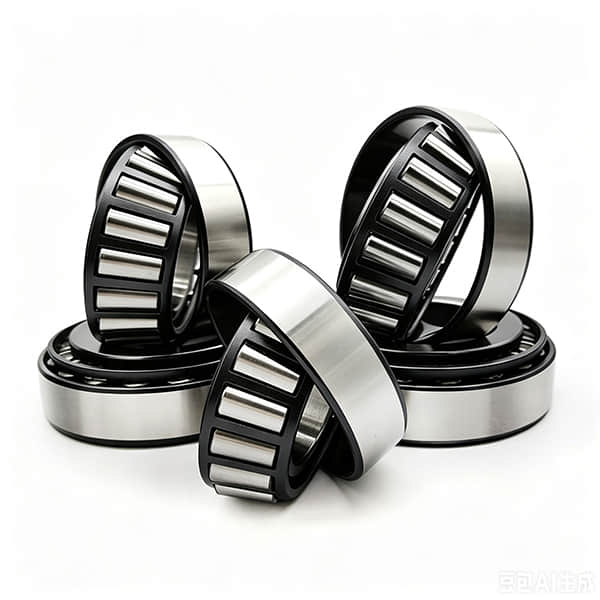
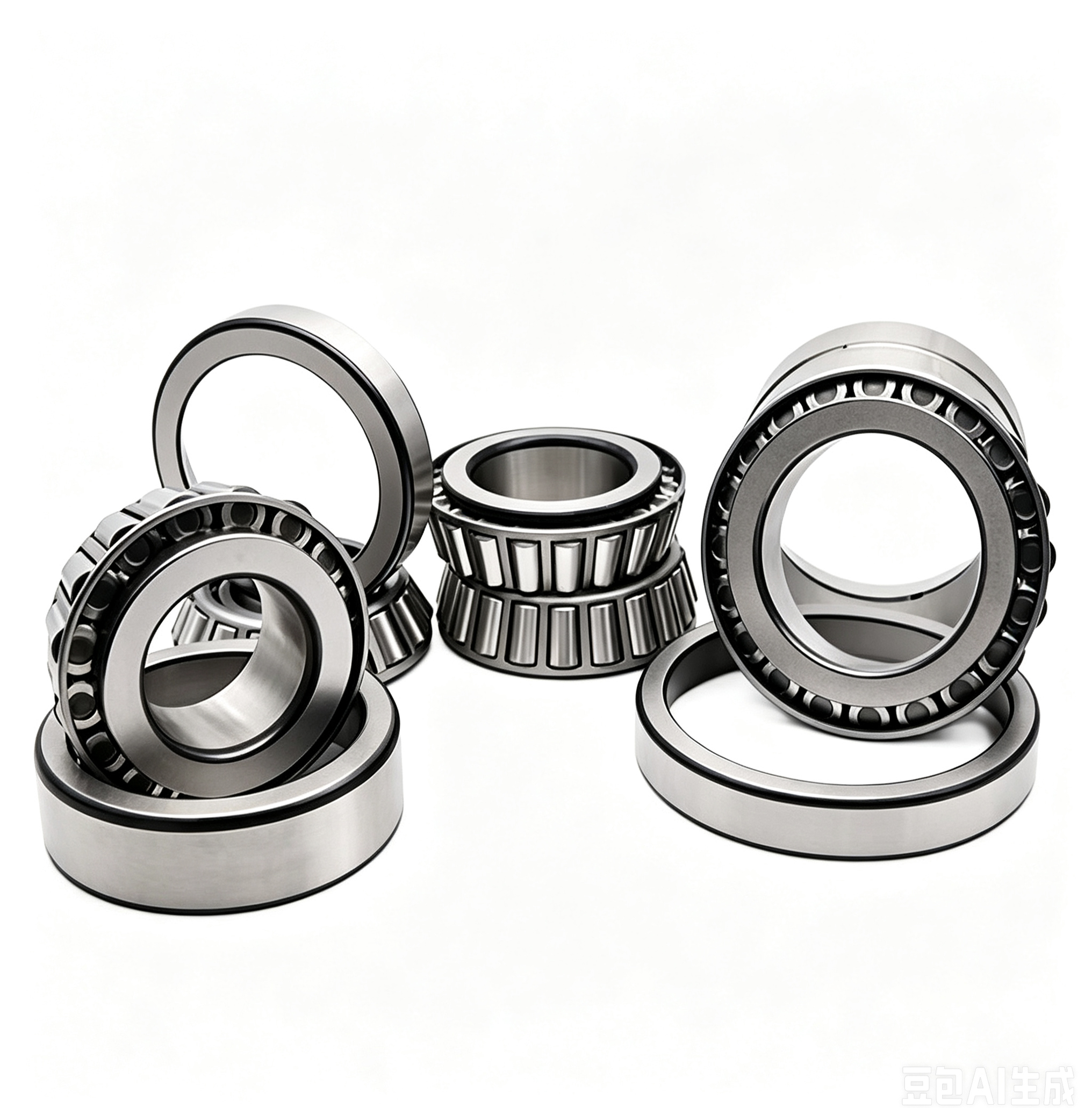
Tapered Roller Bearings
Designed to handle combined radial and axial loads and commonly used in automotive and industrial applications.
Spherical Roller Bearings
Suitable for heavy radial loads and applications where shaft or housing misalignment may occur.
Wheel Hub Bearings
Designed specifically for automotive wheel and hub applications.
Pillow Block Bearings
A practical solution for mounted shaft applications where easy installation and maintenance are important.
The best bearing type depends on the actual working conditions rather than simply the equipment name.
5. Check Shaft and Housing Dimensions
The bearing bore and outside diameter must match the shaft and housing.
However, dimensional compatibility is only the beginning.
The shaft and housing tolerances also affect the bearing fit and operating clearance.
An incorrect fit can cause creep, excessive preload, reduced clearance, vibration, or premature bearing failure.

6. Select the Correct Internal Clearance
Internal clearance is another important specification.
Common clearance classes include:
C2
CN
C3
C4
C5
The appropriate clearance depends on factors such as fit, operating temperature, speed, and application conditions.
For example, C3 clearance bearings are commonly used in applications where operating conditions require greater internal clearance than normal.
7. Consider Seals and Lubrication
Bearing seals also affect application performance.
Common configurations include:
Open bearings
ZZ / 2Z metal shields
2RS rubber seals
Open bearings are suitable where external lubrication is available.
Shielded and sealed bearings can provide better protection against dust, moisture, and contamination.
The correct choice depends on the working environment and maintenance requirements.
8. Don't Choose a Bearing by Model Number Alone
Two bearings can have similar dimensions but completely different performance characteristics.
When selecting a replacement bearing, consider:
Bearing type + dimensions + load + speed + clearance + seals + lubrication + operating environment
This approach provides a much more reliable selection than simply matching the old model number.

Need Help Choosing a Bearing?
If you are unsure which bearing is suitable for your application, provide the bearing number, dimensions, shaft size, load, speed, temperature, and application.
DBS Bearing can help evaluate the required specification and provide suitable bearing solutions for industrial and automotive applications.
The right bearing is not simply the one that fits. It is the one that fits the application.