Welcome to Linqing Xinshengdi Bearing Co., Ltd.


Differential Bearings: Selection and Replacement Guide
Differential Bearings: Selection and Replacement Guide
Differential bearings are important components in automotive and commercial vehicle drivetrains. They support rotating components, help maintain gear alignment, and carry loads generated during vehicle operation.
For truck repair businesses, transmission specialists, aftermarket distributors, and automotive parts buyers, identifying the correct differential bearings is essential when sourcing replacement parts.
However, choosing a replacement bearing requires more than matching its outside dimensions. Bearing position, internal design, original part number, and installation requirements must also be considered.
This guide explains the key differences between differential bearing types and what buyers should check before ordering.
1. What Do Differential Bearings Do?
The differential allows driven wheels to rotate at different speeds while transmitting torque through the axle assembly.
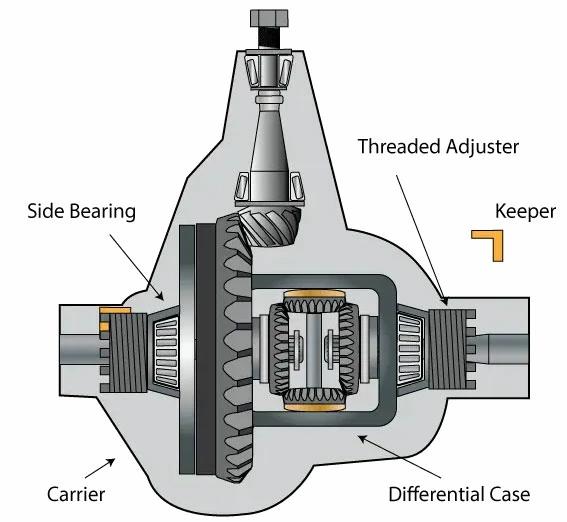
Inside the differential housing, bearings support components such as the differential carrier and pinion shaft.
These bearings operate under radial and axial loads generated by gear engagement and vehicle operation.
Proper bearing selection and installation help maintain the intended gear position and operating clearance.
Depending on the differential design, tapered roller bearings and other bearing configurations may be used.
2. Differential Carrier Bearings
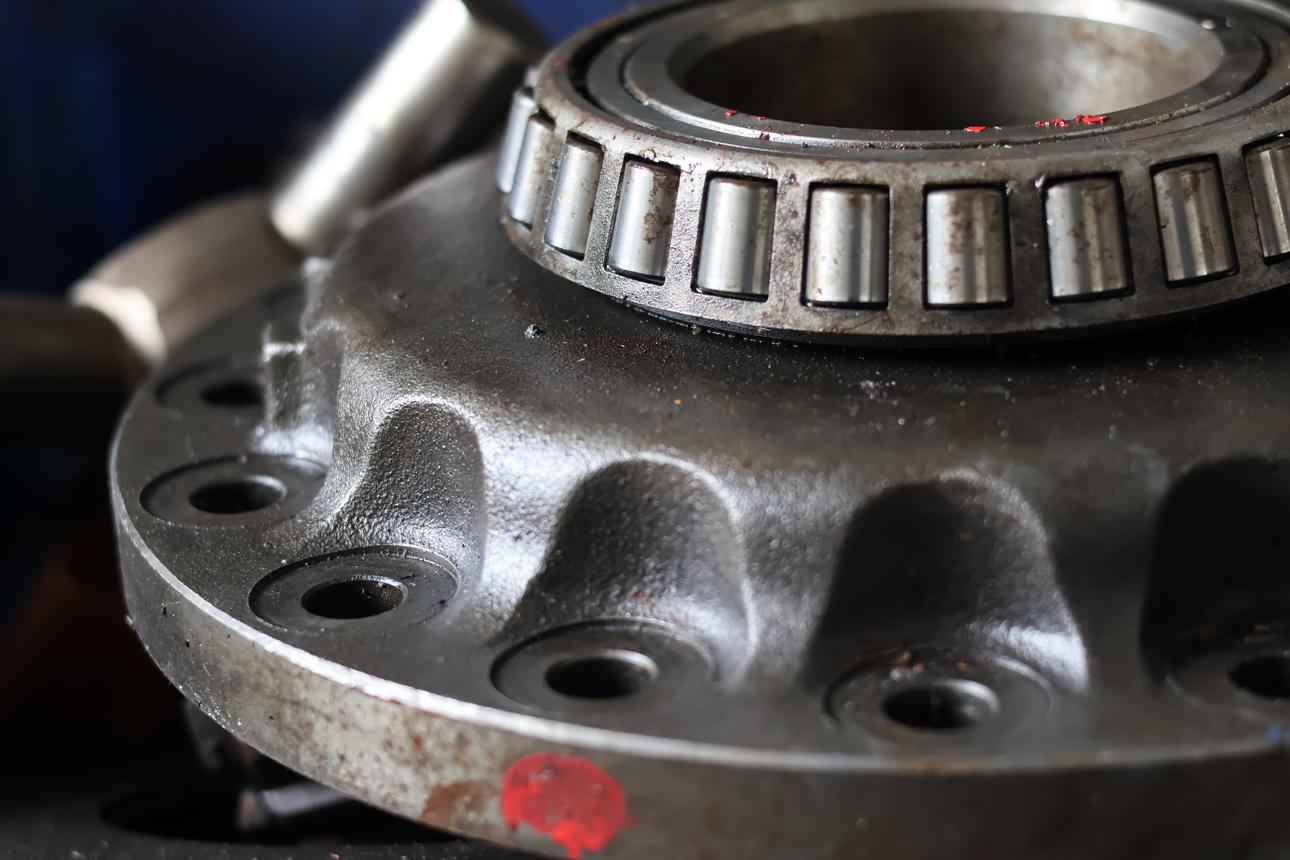
Differential carrier bearings support the rotating differential case within the axle housing.
They help maintain the position of the ring gear relative to the drive pinion.
Tapered roller bearings are commonly used in many conventional automotive and truck differential assemblies because they can accommodate combined radial and axial loads.
When identifying a replacement carrier bearing, buyers should confirm:
Original bearing number
Cone and cup part numbers
Bore and outside diameter
Bearing width
Axle or differential model
Required mounting and adjustment specifications
Even if two bearings have similar dimensions, their internal designs and operating characteristics may differ.
3. Differential Pinion Bearings
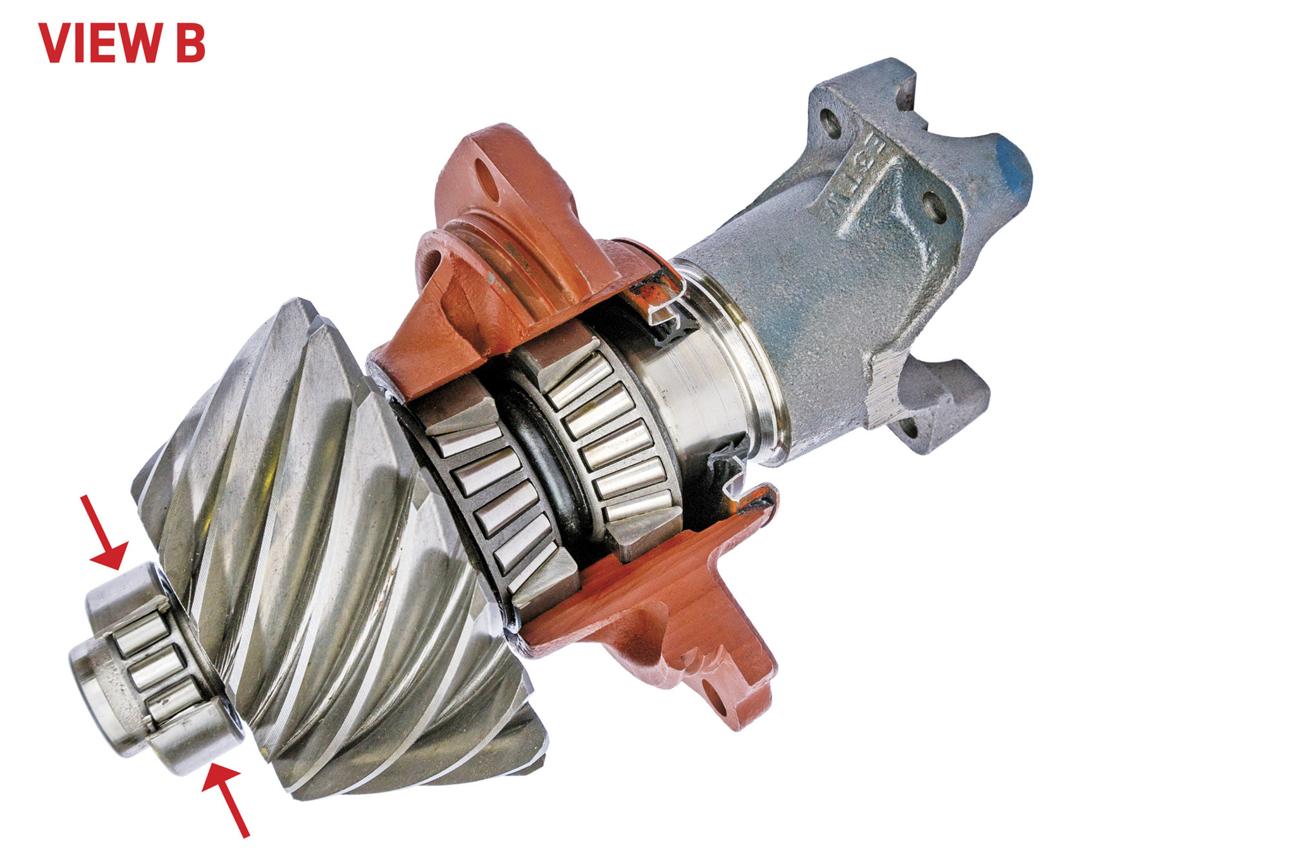
Pinion bearings support the drive pinion shaft and help maintain its alignment with the ring gear.
Many differential assemblies use a pair of pinion bearings arranged to support combined loads.
Correct bearing selection is important because pinion mounting position and preload influence gear operation.
When replacing pinion bearings, the original bearing designation and axle manufacturer's technical requirements should be checked.
Improper preload or incorrect mounting can contribute to abnormal noise, excessive temperature, or premature bearing damage.
For technical guidance on related products, explore our tapered roller bearing range.
4. Why Tapered Roller Bearings Are Common
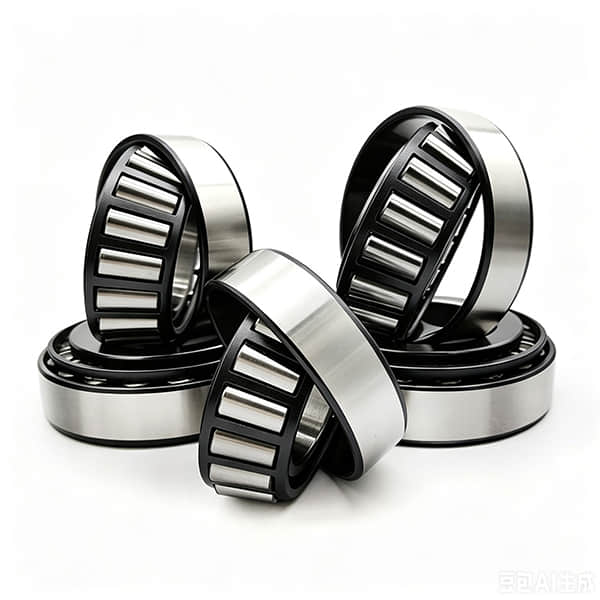
Tapered roller bearings are widely used in differential applications because their geometry is suitable for combined radial and axial loading.
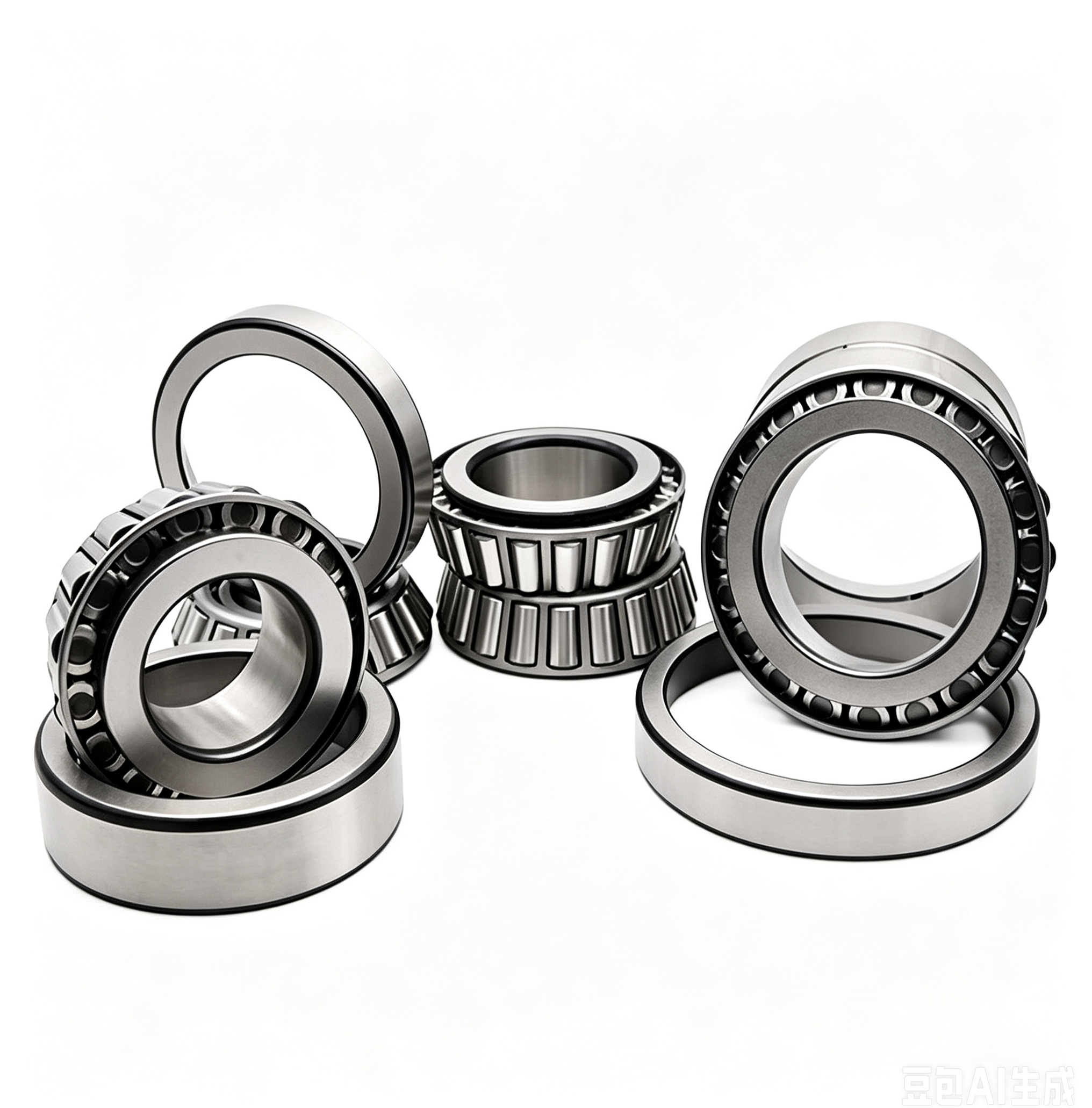
Their design includes a cone assembly and a separate outer ring, commonly called the cup.
This configuration is particularly useful in applications requiring controlled shaft positioning and bearing adjustment.
However, not all tapered roller bearings with similar dimensions are interchangeable.
Buyers should verify the complete bearing designation, component pairing, load requirements, and mounting arrangement.
DBS Bearing also offers an inch tapered roller bearing series for buyers sourcing bearings with inch-based designations.
5. How to Identify Differential Bearing Numbers
The most reliable starting point is the original bearing or OEM part number.
If the bearing has already been removed, inspect its markings carefully.
Some tapered roller bearings have separate cone and cup numbers. Both should be recorded.
If the markings are missing or difficult to read, the following information may help:
Clear photographs of the bearing
Inner and outer diameters
Overall bearing width
Cone and cup dimensions
Vehicle make and model
Axle or differential identification number
For imported vehicles and specialized drivetrains, the complete OEM reference can be particularly useful.
A dimensionally similar bearing should only be considered a candidate replacement until its technical compatibility has been confirmed.
6. Common Differential Bearing Problems
Differential bearing damage can develop for several reasons.
Insufficient lubrication
Low lubricant levels or unsuitable lubrication can increase friction and operating temperature.
Contamination
Water, dirt, or metal particles entering the differential can damage bearing raceways and rolling elements.
Incorrect preload
Improper bearing adjustment can affect operating clearance, temperature, and bearing life.
Excessive loading
Overloading, shock loads, or unsuitable operating conditions may contribute to fatigue damage.
Incorrect installation
Improper tools or mounting procedures can damage bearing surfaces and surrounding components.
When replacing damaged bearings, maintenance teams should also inspect the associated gears, seals, lubrication system, and housing condition.
7. What Should Aftermarket Buyers Check?
For automotive and truck parts distributors, a reliable purchasing process begins with accurate product identification.
Before placing a bulk order, confirm the following:
Complete OEM or bearing part number.
Differential carrier or pinion bearing position.
Bearing dimensions and internal design.
Vehicle, axle, or differential application.
Required quantity.
Packaging and marking requirements.
Delivery destination.
For aftermarket distributors serving different vehicle brands, organizing products by OEM reference and axle application can make inventory management and customer inquiries more efficient.
8. Differential Bearing Supply from DBS Bearing
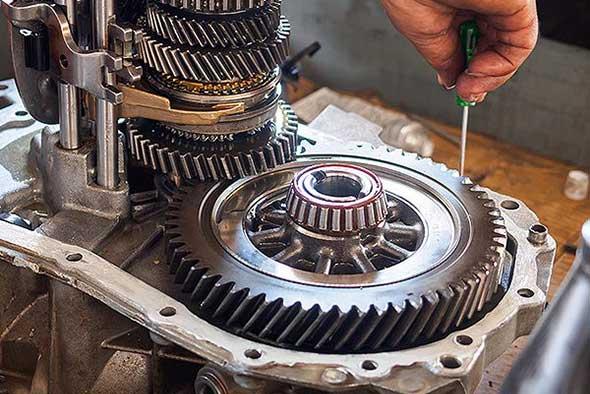
DBS Bearing supplies replacement bearing solutions for automotive and commercial vehicle applications, including tapered roller bearings used in transmission, differential, axle, and wheel-end systems.
Our supply capabilities cover standard bearing models and specialized replacement references for aftermarket customers.
We can also support OEM and private-label packaging requirements for suitable orders.
For related drivetrain products, explore our tapered roller bearings and automotive bearing solutions.
Looking for differential carrier bearings or pinion bearings?
Send us your bearing number, OEM reference, vehicle or axle model, photographs, and required quantity.
Our team can review the available information and discuss possible replacement bearing supply options.
Contact DBS Bearing for a quotation.
DBS Bearing — Automotive & Commercial Vehicle Bearing Solutions
Website: https://www.dbsbearing.com/